Gunite vs Fiberglass Pools: What Homeowners Need to Know
September 3, 2026
Custom Pool Maintenance in Gainesville: What to Know
September 3, 2026
If you’ve started pricing a backyard pool, you’ve probably noticed the same frustrating pattern: one person says $60,000, another says $120,000, and neither number tells you much. If you’re wondering how much to build a pool in Florida, the honest answer is that most of the shock comes from everything around the pool, not just the shell itself.
What It Actually Costs to Build a Pool in Florida
For most Florida homeowners, a basic in-ground pool project usually starts around $50,000 to $70,000, while many mid-range builds land closer to $70,000 to $110,000. Once custom design, premium finishes, bigger decks, spas, screens, or outdoor living features enter the picture, costs can climb well past $125,000.
That range is wide for a reason. Pool type, size, shape, depth, yard access, drainage, equipment, and finishing choices all matter. A simple rectangle in an easy-to-access yard is one kind of project. A custom pool with tight access behind a fenced lot in Orlando, plus drainage work and upgraded decking, is a very different bill.
Here’s the thing: sticker shock usually comes from assumptions. You picture the water. Your quote includes engineering, excavation, decking, electrical work, fencing, inspections, and cleanup. This guide helps you see where the money goes so you can spot what actually matters and avoid paying for things you will barely use.
Typical price range for an in-ground pool
A practical Florida in-ground pool with standard finishes and basic equipment often falls into the lower end of the range, around $50,000 to $70,000. That usually means a straightforward shape, modest size, standard decking, and limited extras.
Move into a more comfortable family setup and the number rises fast. A larger footprint, better lighting, upgraded finish, salt system, heater, automation, and more generous deck space can push a project into the $70,000 to $110,000 range without doing anything especially flashy.
Luxury builds go higher because every upgrade stacks on top of the last one. An integrated spa, custom concrete design, premium tile, sunshelf, water features, screen enclosure, and outdoor kitchen can turn a pool project into a full backyard build.
Why Florida pricing can look different from other states
Florida is not a typical pool market. Pools get used longer through the year, so more homeowners want heaters, automation, better finishes, and outdoor living features that make the space comfortable in every season. That demand shapes both pricing and expectations.
Construction rules matter too. Hurricane-related requirements, electrical standards, barrier and safety rules, and local permitting can add work that would not show up the same way elsewhere. If you want a better sense of the approval side before construction starts, it helps to understand what’s required before any digging begins.
Then there’s the ground itself. Some lots deal with drainage challenges, sandy soil, roots, slope, or a high water table. Florida yards can look easy until excavation starts. That’s when a clean estimate separates from a vague one.
The Biggest Factors That Change Your Pool Price
Not every feature deserves equal weight. Some choices meaningfully change construction cost and long-term ownership. Others are mostly cosmetic. The trick is knowing the difference before you start comparing quotes.
Pool size, shape, and depth
Bigger pools cost more because almost every part of the project scales up with size. More digging, more material, more finish, more decking around the pool, more water, and usually more powerful equipment. A few extra feet in length may not sound dramatic on paper, but it changes the total in several places at once.
Depth raises the number too. A deeper pool means more excavation and more structural demand, and it can affect how you use the pool day to day. If your main goal is cooling off, playing with kids, or relaxing after a hot afternoon, a very deep pool may add cost without adding much value.
Shape matters more than many homeowners expect. A simple rectangle is usually cheaper to build and easier to cover, clean, and deck around. Freeform shapes can look great, but curves often bring more design complexity, more finish work, and more material waste.
Pool material: concrete, fiberglass, or vinyl
Concrete, often called gunite or shotcrete depending on how it is applied, gives you the most design freedom. You can customize shape, depth, tanning ledges, benches, and details more easily. That flexibility usually comes with the highest upfront price and more maintenance over time.
Fiberglass pools arrive as pre-made shells installed into the ground. Installation is often faster, surfaces are smooth, and maintenance is usually simpler. The tradeoff is less flexibility in shape and size because you are choosing from manufactured molds rather than building from scratch. If you’re sorting through this choice, it helps to look at the tradeoffs between one-piece shells and fully custom concrete builds.
Vinyl liner pools usually cost less upfront in markets where they are common, but the liner needs replacement over time. In Florida, vinyl is less dominant than concrete or fiberglass, so availability, contractor experience, and long-term fit may vary more by area.
Your yard and site conditions
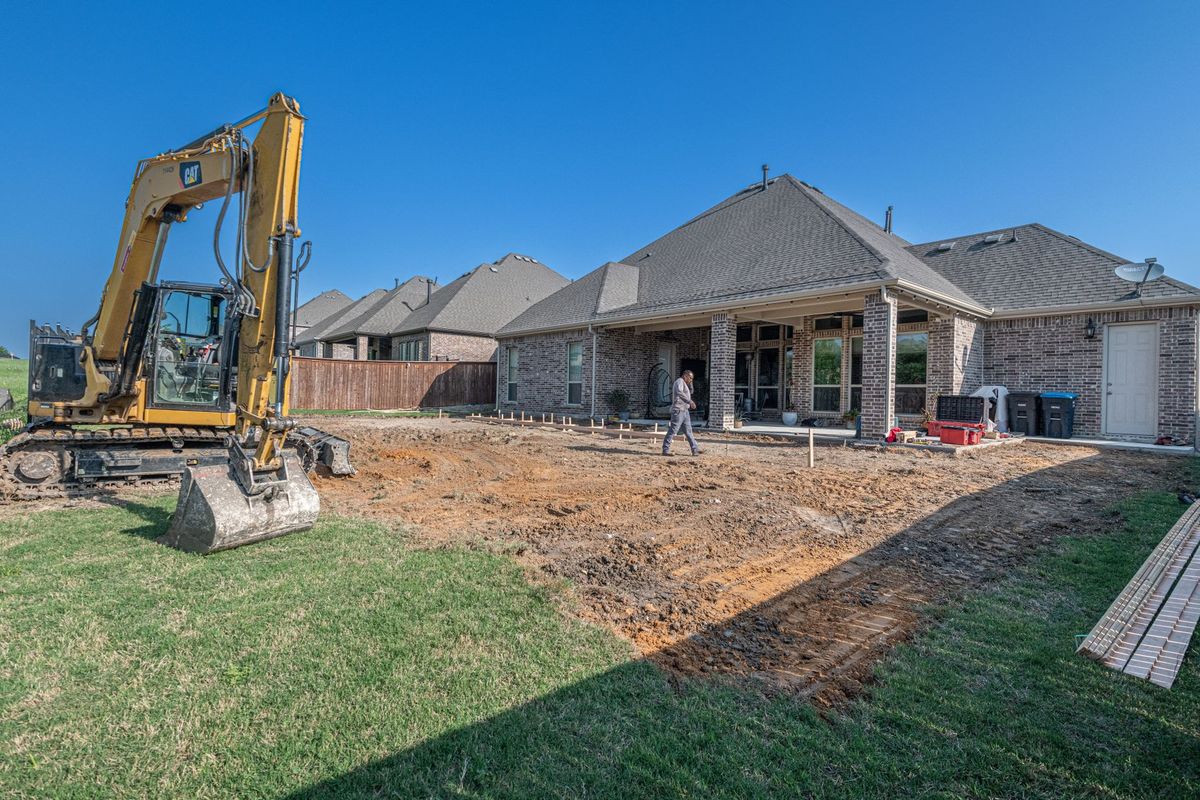
A backyard can look simple from the patio and still be expensive to build in. Access is a big one. If equipment cannot easily reach the dig area, labor goes up. Tight side yards, mature trees, existing fences, septic locations, and buried utilities can all complicate the job.
Grading and drainage are another quiet budget mover. If water already collects in parts of your yard, the pool build may need drainage corrections to keep the area functional and protect surrounding surfaces. High water tables can also complicate excavation and structural planning.
Tree removal, root systems, rocky patches, and irrigation lines add more moving parts. None of that is glamorous, but it is real. This is why two pools that look similar in a brochure can cost very different amounts in actual backyards.
Add-ons that raise the total fast
This is where budgets drift.
A spa, waterfall, sunshelf, salt system, heater, upgraded lighting, automation, upgraded pavers, screen enclosure, or decorative tile line may each sound manageable on its own. Add several together and the jump is substantial. A pool project grows a lot like a kitchen remodel: every “while you’re at it” decision quietly builds on the last one.
Some upgrades genuinely improve daily use. Good lighting, enough deck space, and equipment that is easy to operate usually earn their keep. Other add-ons are mostly visual. If you want design ideas that stay practical, spend time looking at backyard layouts that work better in real Florida homes.
Pool Types and What You Get at Each Price Point
The best pool type is not the one with the loudest sales pitch. It is the one that fits your budget, your yard, and how you actually plan to use it on a Tuesday, not just when guests come over.
Concrete pools
Concrete pools usually cost the most upfront, but that money buys flexibility. If you want a custom shape, unusual dimensions, an integrated spa, a beach entry, or a pool built around a tricky lot, concrete handles that better than other types.
Finish choices are broader too. Plaster, aggregate, tile accents, custom steps, benches, and ledges can all be tailored more precisely. The catch is long-term upkeep. Concrete surfaces are more porous, which can mean more brushing, more attention to water balance, and resurfacing down the road.
Daily ownership feels more custom because it is. It also feels more hands-on.
Fiberglass pools
Fiberglass pools appeal to homeowners who want a cleaner process and simpler upkeep. Installation is often faster because the shell is manufactured off-site and set into place. The smooth gelcoat surface also tends to resist algae better than rougher finishes, which can reduce cleaning effort.
The tradeoff is design freedom. You still get options, just not endless ones. Length, width, depth profile, and built-in features are constrained by what can be manufactured and transported. For many yards, that is perfectly fine. For a highly custom vision, it can feel limiting.
From a cost perspective, fiberglass often lands in a middle zone. Upfront pricing may be higher than a basic vinyl project but lower than a heavily customized concrete build. If you want a closer look at material tradeoffs for this region, take a look at how different pool surfaces fit Gainesville-area homes.
Vinyl liner pools
Vinyl liner pools are often the lower upfront entry point where local builders offer them regularly. The liner creates a smooth interior surface, and custom shapes are possible. On paper, that sounds like a strong value.
But the lower starting price is only part of the story. Liners wear out and need replacement, and that future cost belongs in your budget from the beginning. In a Florida market where concrete and fiberglass are more common, vinyl can also be a more niche choice depending on your area and contractor base.
For some homeowners, vinyl makes sense as a lower-cost path to a usable pool. For others, the replacement cycle cancels out the early savings.
The Hidden Costs That Catch Homeowners Off Guard
The pool shell is only part of the bill. That is the direct claim worth remembering, because this is exactly where manageable projects become expensive surprises.
Permits, engineering, and inspections
Every Florida city and county handles permits a little differently. Fees can include building permits, electrical permits, plan review, engineering, surveys, and inspections. If setback issues, drainage review, or easement questions come up, more paperwork may follow.
This is not optional paperwork fluff. It is part of building legally and safely. Quotes that treat permit costs vaguely deserve a closer look.
Decking, fencing, and safety features
A pool without enough surrounding deck space gets old fast. You need room to walk, sit, dry off, set furniture, and move around safely. That means the hardscape around the water can become a major line item, especially if you choose pavers, decorative concrete, or premium finishes.
Then come safety requirements. Fencing, self-latching gates, door alarms, and other code-driven barriers may be required depending on your layout. These features are easy to overlook early because they do not show up in the glamorous design rendering, but they absolutely show up in the bill.
Landscaping and cleanup after construction
Construction tears up yards. Sod gets damaged, irrigation lines get cut, mud moves around, and planting beds rarely come through untouched. If a quote ends with pool startup and says little about the condition of the yard afterward, pay attention.
You may need fresh sod, drainage touch-ups, irrigation repair, mulch, plant replacement, or grading fixes. Putting the space back together is part of the project even if it appears as a separate line item.
Utility hookups and equipment pad work
Your pool needs power, plumbing, and sometimes gas. Pumps, filters, heaters, chlorination systems, and automation controls need a designated equipment area, often called the pad. If the pad sits far from the pool or far from the house, utility runs get longer and more expensive.
Electrical work can be a bigger cost than expected, especially if your service panel needs upgrades. Gas heaters add another layer if gas service is not already close by. Distance matters here more than many homeowners realize.
What Ongoing Pool Costs Look Like After Installation
The build price gets the attention. Ownership cost decides how the pool feels a year later.
Monthly maintenance, water, and chemicals
If you maintain the pool yourself, monthly costs are mostly chemicals, test supplies, occasional filter cleaning, and water top-offs. If you hire service, expect a recurring monthly bill for cleaning, balancing, and routine checks. “Pool chemistry” simply means keeping sanitizer, pH, alkalinity, and related water levels in the right range so the water stays clear and equipment stays protected.
Salt systems deserve a quick translation too. A salt pool is not chlorine-free. The salt cell creates chlorine from dissolved salt, which can make day-to-day care feel easier, though the equipment still needs maintenance. If you want a clearer picture of the routine, it helps to read about keeping pool care simple without second-guessing every test result.
Energy use for pumps and heaters
Your electric bill depends heavily on equipment choice. Variable-speed pumps usually cost more upfront but use less energy than older single-speed models, often by a meaningful margin over time. If your pool runs every day, efficiency matters.
Heaters change the picture even more. Gas heaters warm water quickly but can be expensive to operate. Heat pumps are often more efficient in Florida’s climate, though performance and cost depend on season and usage. A pool used occasionally has a different cost profile than one kept swim-ready all winter.
Repairs, resurfacing, and replacement timelines
Every pool type has a maintenance cycle. Concrete pools eventually need resurfacing. Fiberglass may need less interior maintenance but still uses pumps, filters, lights, and salt cells that wear out. Vinyl liners need replacement on a known cycle.
Equipment has its own lifespan too. Pumps, heaters, automation components, and filters do not last forever. Ownership goes more smoothly when you treat future repair and replacement as normal, not as bad luck.
How to Budget for a Pool Without Getting Burned
A good budget is not just a number. It is a set of decisions made in the right order.
Decide what matters most before you get quotes
Start with your actual use case. Do you want lap swimming, family play space, easy entertaining, or a compact cool-down pool after a sticky summer afternoon? Those goals point toward different shapes, depths, and add-ons.
This step matters because builders can only price what you ask for. If your priorities are fuzzy, quotes get inflated with extras you never truly wanted. Before signing anything, spend time learning what separates a careful pool builder from a vague one.
Leave room for a contingency
A contingency is just extra budget set aside for surprises. In pool construction, surprises are normal. Drainage problems, access issues, buried lines, permit-driven revisions, or upgrades needed to meet code can all appear after planning begins.
A smart cushion keeps you from making rushed decisions mid-project. Even a well-planned job can hit conditions that were impossible to confirm until excavation starts.
Compare bids line by line
This is where many homeowners save or lose thousands. Do not compare only the total at the bottom. Compare excavation, structural work, interior finish, tile, coping, decking, equipment, permits, cleanup, startup, warranty coverage, and any allowances listed as estimates rather than fixed pricing.
If one proposal is much lower, look for what is missing. Basic equipment instead of better pumps, thinner deck allowances, vague cleanup language, or excluded permit work can make a low quote look better than it really is. Apples-to-apples comparison is boring, honestly, but it protects your budget better than any sales promise.
Common Mistakes That Make a Florida Pool Cost More Than It Should
Most expensive pool mistakes happen before construction starts. The good news is that they are usually avoidable.
Choosing based on the lowest quote alone
The lowest quote is not automatically the best value. Sometimes it reflects legitimate efficiency. Just as often, it leaves out real costs that return later as change orders, substitutions, or frustrating surprises.
A quote can be made to look lean by excluding permit fees, reducing deck allowance, downgrading equipment, or keeping site work vague. Cheap upfront can get expensive in a hurry.
Underestimating the full project scope
A lot of homeowners budget for the water and forget the space around it. But decking, fencing, alarms, electrical work, landscaping repair, drainage, and utility connections are part of the real pool project.
That gap between “pool cost” and “finished backyard cost” is where budgets break down. You want the number that reflects the complete usable result, not just the excavation and shell.
Picking features you will not really use
Showrooms are built to make extras look irresistible. Waterfalls sparkle. Fire bowls look dramatic. Oversized spas feel luxurious in a rendering. The question is simpler: will you use them enough to justify the cost?
If your routine is quick swims, kid time, and occasional weekends outside, a clean layout, good lighting, enough deck space, and easy equipment may matter more than statement features. A beautiful pool that fits your real life beats a fancy one that mostly photographs well.
What a Realistic Pool Budget Looks Like by Homeowner Goal
Once you stop thinking in terms of “the average pool” and start thinking in terms of your goal, pricing gets much easier to understand.
Budget-friendly pool build
This usually means a straightforward layout with a simple shape, standard finish, basic waterline tile, modest deck area, and no long list of extras. Equipment stays functional rather than premium. You get a pool that cools you off, gives the family a place to swim, and keeps the project from ballooning.
In Florida, this kind of build often lands around the lower end of the overall range, though site conditions can still shift the number.
Mid-range family pool
This is where many homeowners land. You still keep the design practical, but you add comfort and convenience: more deck space, better finish options, lighting, a salt system, maybe a heater, and a few design upgrades that improve everyday use.
This budget tier usually feels the most balanced. You are not chasing luxury for its own sake, but you are also not building the bare minimum.
High-end custom backyard pool
This category is less about swimming alone and more about creating a full outdoor environment. Custom concrete design, integrated spa, premium finishes, automation, expansive hardscape, water features, screen enclosure, and connected outdoor living features all push the project upward.
If that is your vision, the trick is not trying to force it into a mid-range budget. Price it honestly from the start. If you want a local benchmark for larger custom builds, it helps to see what higher-detail projects tend to cost in this part of Florida.
The one move that saves the most money
Before you get emotionally attached to features, write down your top three priorities for the pool and your top three things you do not care about. That one exercise makes quotes cleaner, decisions easier, and your final budget a lot more realistic.