Florida Pool Design Tips for Better Backyard Builds
September 3, 2026
Pool Construction Permits: What’s Required Before You Dig
September 3, 2026
If you’ve started pricing a backyard pool, you’ve already seen the problem: “custom pool cost” can mean almost anything until somebody actually looks at your yard. One Gainesville project can stay fairly straightforward, while another jumps fast once access, drainage, finishes, and add-ons get involved. This guide gives you the real pricing picture, what moves the number most, and how to budget without getting blindsided.
What a Custom Pool Really Costs in Gainesville
A custom pool in Gainesville is not a single fixed-price purchase. It is a construction project tied to your lot, your design choices, and the amount of backyard work needed to make everything function properly.
A realistic starting range for custom inground pools
In Gainesville, a realistic starting point for a custom inground pool often lands somewhere around $70,000 to $140,000 for many residential projects. A simpler design with standard finishes and modest decking may come in near the lower end. A larger pool with upgraded materials, added features, and more demanding site work can move well beyond that range.
That wide spread is normal. A compact rectangular pool in an open backyard near Haile Plantation can price very differently from a freeform build in a tighter lot with slope, trees, or drainage issues. The shell matters, but the surrounding work can change the total just as much.
Why “custom pool cost” is never just the pool shell
Here’s the thing: you are not just paying for a hole with water in it. Your quote usually includes excavation, steel or shell construction, plumbing lines, electrical work, circulation equipment, interior finish, coping, tile, decking, permits, inspections, and cleanup.
The catch is that all the pieces around the pool add up quickly. Decking alone can swing the budget by thousands. Drainage fixes, fence adjustments, utility reroutes, or removing a few stubborn trees can do the same. That is why a vague “average pool price” does not help much. Your actual cost comes from the full project scope, not the pool shape on the sketch.
The Biggest Factors That Change Your Price
Two pools can look similar in a photo and still cost very different amounts to build. Usually, the difference comes down to geometry, materials, and how hard your yard makes the job.
Pool size, shape, and depth
Bigger pools cost more for an obvious reason: more excavation, more material, more plumbing, and more labor. But shape matters almost as much as size. A clean rectangle is generally easier and more efficient to build than a freeform layout with curves, radius walls, and multiple transitions.
Depth changes the number too. A deeper end means more digging, more structural demand, and in some cases more water to circulate and heat. Add a tanning ledge, built-in bench, entry steps, or a raised wall, and the design gets more custom in a hurry.
Simple is cheaper. Custom curves, multiple levels, and dramatic depth changes look great, but every one of those details adds time and complexity.
Materials and finish choices
Materials shape both your upfront price and your long-term upkeep. Interior finish is a good example. Basic plaster costs less than premium aggregate finishes, but higher-end surfaces can last longer and hold appearance better over time.
The same trade-off shows up with tile, coping, and decking. Standard waterline tile keeps costs more controlled. Premium glass tile, natural stone coping, and larger paver installations can push the project upward fast. Some upgrades are mostly visual. Others affect comfort, durability, and maintenance.
If you want a deeper breakdown of surface and shell choices, it helps to spend time sorting through which pool material fits Gainesville homes best before falling in love with a finish board.
Site conditions in Gainesville
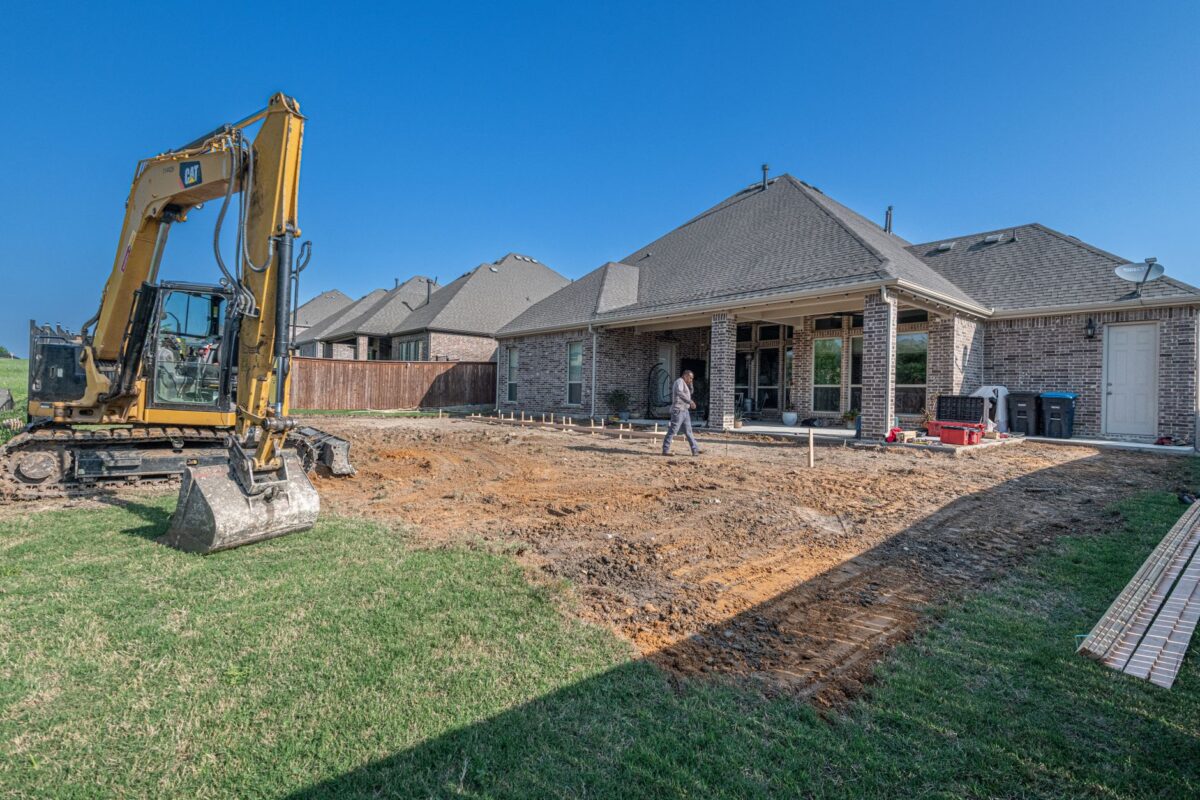
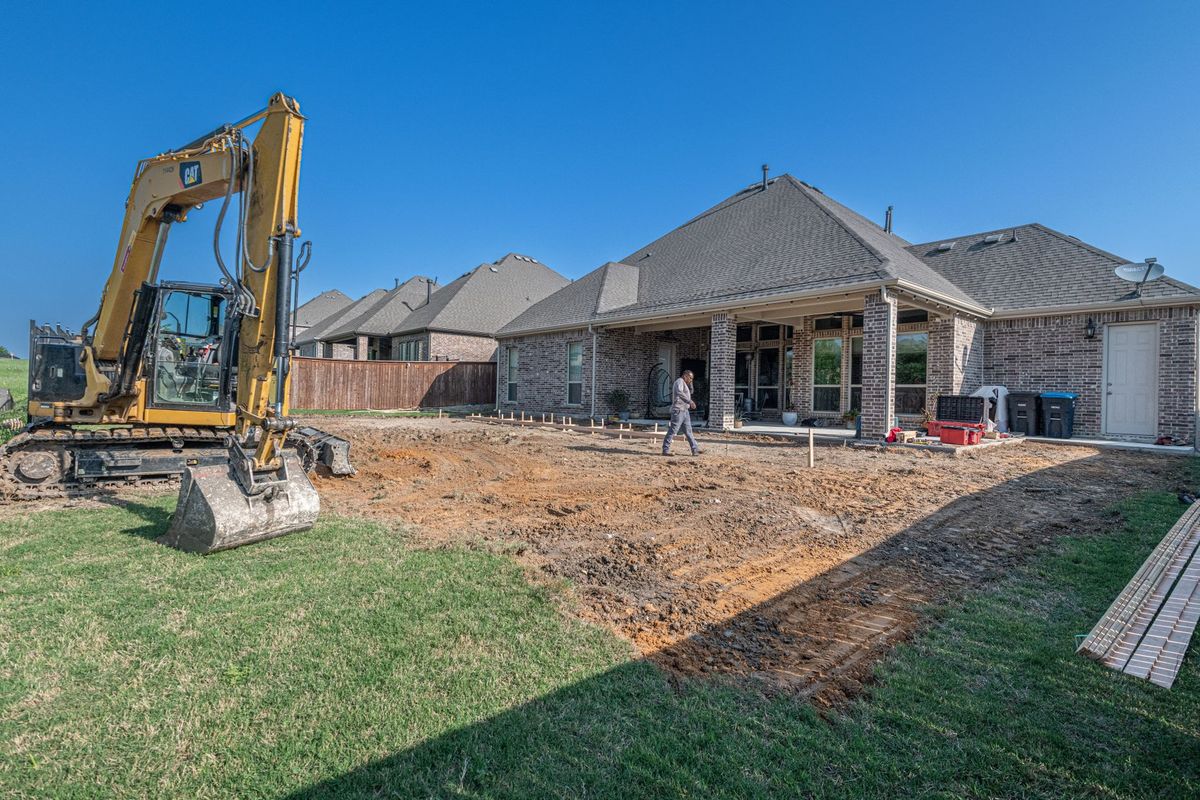
Gainesville lots are not all easy builds. Limited backyard access can mean smaller equipment, more hand labor, or extra hauling time. Sloped yards may need retaining solutions or grading corrections. Wet areas can call for drainage work before construction even starts.
Tree roots, buried lines, septic locations, and soft or unstable soil can all raise costs. Groundwater can also complicate excavation in some areas. None of this is glamorous, but it is real. Site work is where many budgets get stretched, especially when a yard looks simple from the patio and turns out not to be simple once digging begins.
Permits, codes, and safety requirements
Pool construction in Gainesville comes with permit and safety requirements that belong in your budget from day one. Expect permit fees, inspections, barrier requirements, electrical bonding, and other code-related line items to show up in the proposal.
Safety rules are not optional extras. Fencing, compliant gates, alarms in some setups, and related protective features can be part of the project cost. If you want a clearer sense of what must happen before excavation starts, getting familiar with the permit process and pre-dig requirements makes quotes a lot easier to read.
Custom Pool Types and What Each Usually Costs
Not every inground pool is built the same way. If you are comparing prices, you need to know what kind of structure you are actually buying.
Concrete/gunite pools
Concrete, often called gunite or shotcrete depending on application method, is the classic custom pool option. It gives you the most design freedom. If you want an unusual shape, a vanishing edge, a raised spa, long benches, or a pool tailored closely to your backyard, concrete usually gives you the most room to do it.
That flexibility is why it often costs more. Concrete pools involve more on-site construction, more finishing work, and usually a longer build timeline. For many Gainesville homeowners, this is the route that best fits the word “custom,” but it comes with a higher price tag to match.
Fiberglass pools
Fiberglass pools can be a strong option if you want a faster installation and lower ongoing surface maintenance. The shell arrives pre-manufactured, which cuts down on some of the labor and time involved in a fully site-built pool.
The trade-off is customization. You can choose among shapes and sizes, but you are picking from available molds rather than building anything imaginable. That can be perfectly fine if your priorities are speed, simplicity, and easier care. If you are weighing structure types side by side, comparing concrete and fiberglass in plain English helps clarify what you gain and give up.
Vinyl liner pools
Vinyl liner pools usually sit on the more budget-friendly side of inground options. In the right market and setup, that lower entry cost can be appealing. But vinyl is not always the first choice for a homeowner chasing a long-term custom look and feel.
The main catch is durability over time. Liners need replacement on a cycle, and the finish does not have the same permanence as concrete or fiberglass. For some homeowners, that trade-off is worth it. For others, especially if the goal is a higher-end backyard build, vinyl can feel like a compromise rather than a true custom solution.
Popular Upgrades That Push the Budget Up Fast
This is where a clean, sensible pool starts turning into a full backyard destination. Fun, yes. Cheap, no.
Spas, sun shelves, and water features
Attached spas are one of the biggest budget movers because they add structure, plumbing, equipment demand, and finish work. Sun shelves and tanning ledges seem simple in photos, but they also increase design and construction complexity, especially when bubblers get added.
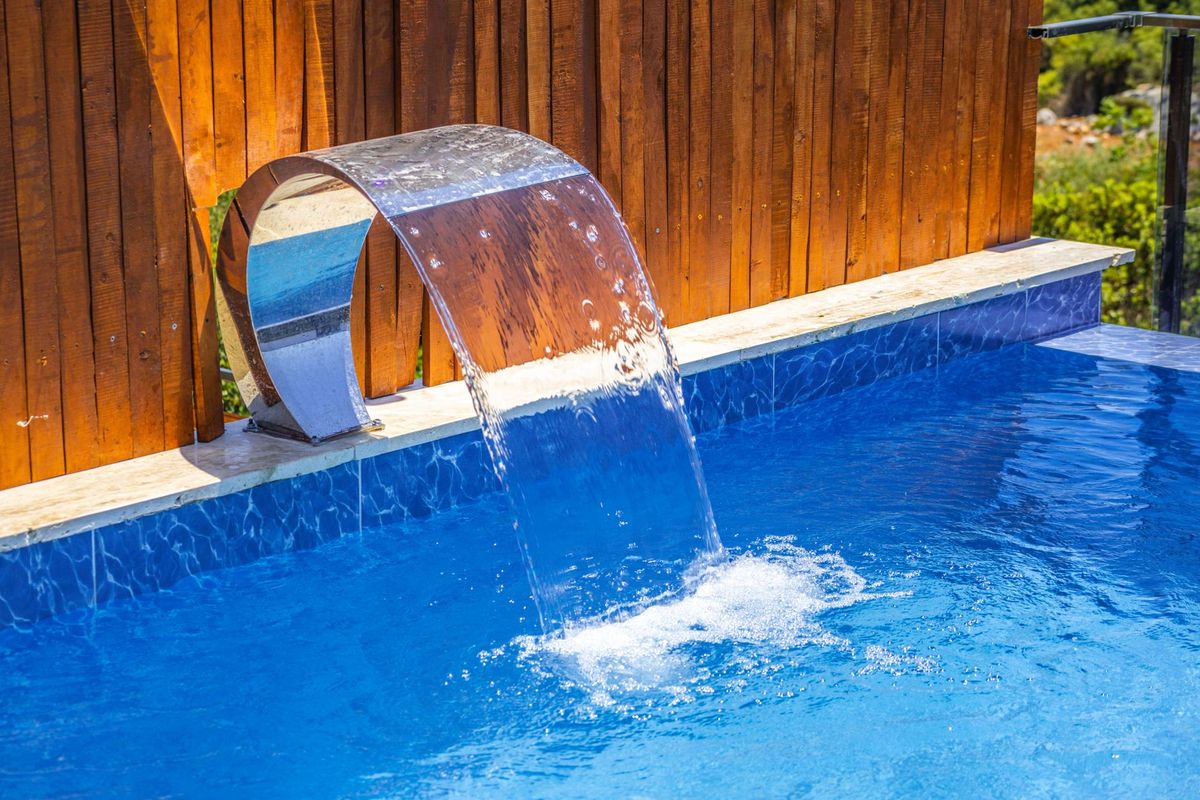
Water features can swing the number quickly too. A small deck jet is one thing. A raised beam with spillway, waterfall, or multiple scuppers is another. Features like these add not just installation cost, but also circulation demands and ongoing maintenance points.
Heating, lighting, and automation
Heating can make a pool much more usable, especially during cooler months when North Central Florida evenings stop feeling like pool weather. But heaters are a meaningful line item upfront, and they increase operating costs too.
Lighting is often worth it because it changes how often you actually use the pool. LED lighting improves safety and extends swim time past sunset. Automation adds convenience by putting pumps, lights, heating, and water features on app-based controls. It feels a bit like going from manual windows to one-touch controls in a car. Not necessary, but once you have it, you notice the difference every day.
Screen enclosures, decking, and outdoor living add-ons
For a lot of Gainesville homeowners, the project is not just the pool. It is the pool plus the yard around it. Expanded decking, pavers, covered lanais, fencing, screen enclosures, fire features, and outdoor kitchens can easily add tens of thousands to the total project cost.
Decking is especially easy to underestimate. A pool needs usable space around it, not just a narrow band of concrete. If you want room for loungers, dining, and foot traffic that does not feel cramped, the patio can become a major part of the budget.
The Costs Beyond Construction
A pool is not a one-time payment followed by free enjoyment forever. Ownership has a monthly and long-term cost, and ignoring that part is one of the easiest budgeting mistakes.
Ongoing maintenance and service
Routine pool care includes water testing, balancing chemicals, cleaning, filter care, skimming, brushing, and keeping equipment running correctly. If you handle it yourself, you will spend time and money on supplies. If you hire service, budget for recurring monthly visits.
The exact amount depends on pool size, features, enclosure, debris load, and how hands-on you want to be. But you should assume ongoing costs from the start. If you want a realistic picture of local upkeep, looking at what pool care usually involves around Gainesville gives you a better sense of ownership after construction ends.
Utility bills and equipment replacement
Pumps, heaters, lights, salt systems, and filtration equipment all affect utility costs. Variable-speed pumps help with efficiency, but your electric bill will still reflect regular pool use. Add heating, and monthly operating costs can climb fast during cooler stretches.
Then there is the long view. Equipment wears out. Filters need replacement parts. Heaters age. Concrete finishes eventually need resurfacing. Even a well-built pool comes with future repair and refresh costs. A cheaper build that uses lower-grade equipment can save money upfront, but it can make ownership more expensive later.
How to Budget for a Custom Pool Without Regret
A good pool budget is not just a number you hope works out. It is a decision about what matters most in your yard and what you want to avoid paying for twice.
Set your must-haves before looking at upgrades
Start with the pool you actually want to use, not the one that looks best on a saved photo board at 11:30 p.m. Decide what matters most: swim space, low maintenance, shallow lounging area, heating, simple lines, or room for kids and guests.
That clarity protects your budget. If a tanning ledge matters more than a spa, say so early. If easy maintenance matters more than dramatic water features, build around that. Otherwise, every appealing extra ends up in the first design and the quote gets painful fast.
Leave room for site surprises and change orders
Every pool project needs breathing room in the budget. That is not pessimism. That is just construction reality.
A smart approach is to hold a contingency cushion, often around 10 to 15 percent of the expected project cost, for site issues or design adjustments. Hidden drainage problems, tougher excavation, utility conflicts, or changed finish selections can all show up after planning starts. If your budget is maxed out before construction begins, even a minor surprise can throw the whole project off.
Compare financing versus paying cash
Paying cash gives you the clearest total project cost because you avoid interest and financing fees. If you already have funds set aside, that simplicity can be appealing.
Financing spreads the cost out and may let you build sooner or keep cash available for the rest of the backyard. The catch is that the monthly payment can make upgrades feel smaller than they really are. A feature that adds “just a little” to the payment may still add several thousand dollars overall. Before choosing, compare not just affordability now, but total cost across the life of the loan.
Common Pricing Mistakes to Avoid
Most pool budget problems do not come from one giant error. They come from a handful of small assumptions that stack up.
Choosing the lowest bid without checking scope
The lowest quote is not automatically the best deal. Sometimes it is not even close. If one proposal looks far cheaper than the others, check what is missing.
Low bids often leave out higher-quality equipment, permit costs, drainage corrections, demolition, cleanup, decking allowances, or finish upgrades. A cheaper proposal can also hide vague allowances, which means you only learn the real cost after selections are made. If you are comparing builders, pay just as much attention to scope and detail as you do to the final number.
Underestimating the full backyard project
A pool build usually affects more than the pool area. Fencing may need updates. Landscaping often takes a hit. Irrigation lines can get damaged or rerouted. Patio furniture, shade, storage, and lighting start feeling necessary once the new pool is finished and the rest of the yard suddenly looks unfinished.
This is why many homeowners feel like the budget kept growing even when the pool contract stayed mostly on track. The backyard as a whole starts asking for money too.
Forgetting seasonal timing and demand
Busy seasons can affect both stress level and cost. In Florida, high demand can tighten schedules, stretch timelines, and reduce flexibility. Materials, subcontractor availability, and inspection timing can all get more frustrating when everybody wants to build at once.
If you wait until peak demand to start planning, you may have fewer scheduling options and less room to be selective. A little lead time gives you more control, and usually a calmer process.
What You Can Expect to Pay by Backyard Goal
Sometimes broad ranges still feel abstract. It helps to tie the budget to the kind of backyard you actually want.
Simple custom pool for cooling off and easy maintenance
If your goal is straightforward function, think clean lines, standard finish choices, modest decking, and limited extras. This type of project often lands around the lower end of the local custom range, commonly about $70,000 to $90,000 depending on site conditions.
This setup works well if you want a place to cool off, swim, and enjoy the yard without turning the project into a resort-style build. In many cases, this is the smartest value.
Family pool with a few comfort upgrades
A mid-range family pool usually includes a few upgrades that make daily use better: maybe a tanning ledge, upgraded pavers, LED lighting, a heater, or a more polished finish package. In Gainesville, that kind of project often falls somewhere around $90,000 to $120,000, with site conditions still playing a big role.
This is where a pool starts to feel clearly custom without going fully over the top. It is often the sweet spot for homeowners who want comfort and style but still care about keeping the budget grounded.
High-end backyard retreat
A higher-end build can include a larger footprint, custom shape, premium tile and coping, attached spa, water features, expanded hardscaping, automation, screen enclosure, and outdoor living elements. At that point, costs can move well past $120,000 and often into the $150,000 to $250,000-plus range.
That sounds like a huge jump, because it is. Luxury pool projects are rarely just about swimming. You are building an outdoor environment, and that full environment carries the price tag.
How to Get a Quote That Tells You the Truth
A useful quote does more than give you a big number at the bottom. It shows exactly what you are paying for and what is not included.
Questions to ask before signing anything
Ask how the scope is defined, what equipment is included, what finish allowances mean, and how site issues are handled if something unexpected shows up during excavation. Ask about timeline, warranty coverage, subcontractor coordination, and who handles permits and inspections.
You should also ask what happens if access problems, drainage needs, or hidden obstructions are discovered after work starts. A clear answer here matters just as much as the starting price. And before choosing anybody, spend some time learning what separates a solid pool builder from a risky one.
What to ask for in writing
A quote should break out major categories clearly: pool dimensions, structural type, interior finish, tile, coping, decking, equipment, electrical, permits, and listed exclusions. If allowances are used, the amount should be stated plainly.
You also want written language around change orders, payment schedule, projected timeline, warranty terms, and cleanup responsibility. If one estimate is detailed and another is vague, the vague one is harder to trust, even if the price looks attractive.
One smart next step before you call builders
Before reaching out, sketch your yard, note rough measurements, make a short list of must-haves, and set a firm comfort-zone budget. Keep it simple. Rectangle or freeform. Spa or no spa. Basic finish or upgraded surface. Heater now or later.
That one bit of prep changes the whole conversation. You get cleaner quotes, faster answers, and a much better chance of ending up with a pool that fits your yard and your budget. Try that first, then start calling.