
Fiberglass vs Concrete Pools: Which Is Better for You?
September 3, 2026
How Much Does It Cost to Build a Pool in Florida?
September 3, 2026
Picking between a gunite pool vs fiberglass usually sounds simple until you realize this one choice affects your budget, timeline, maintenance routine, and even how your pool feels under your feet on a July afternoon. For most homeowners, fiberglass is the better fit because it installs faster and asks less from you over time, but gunite still wins when your backyard vision is highly custom and you do not want to compromise on shape, depth, or finish.
Gunite vs Fiberglass Pools at a Glance
Gunite and fiberglass pools solve the same problem in two very different ways. A gunite pool is built in your yard from the ground up. Steel rebar forms the structure, concrete is sprayed in place, and the interior gets finished afterward with plaster, pebble, tile, or another surface. A fiberglass pool arrives as a pre-made shell and gets lowered into the excavated hole.
That difference changes almost everything.
If you want design freedom, gunite has the clear edge. If you want a faster project with less upkeep, fiberglass is usually the smarter choice. Here is the short version:
| Feature | Gunite Pool | Fiberglass Pool |
|---|---|---|
| Build method | Built on-site | Factory-made shell |
| Installation time | Longer | Faster |
| Upfront cost | Usually higher | Usually lower |
| Maintenance | More hands-on | Lower upkeep |
| Design flexibility | Highest | Limited to molds |
| Surface feel | Depends on finish, often rougher | Smooth |
| Resurfacing | Required over time | Rarely needed |
| Yard access needs | Easier in tight access | Harder if delivery is limited |
The trick is not picking the “best” pool in the abstract. It is picking the one that fits your lot, budget, and tolerance for long-term maintenance.
Installation Process and Timeline
Installation is where the split becomes obvious fast. Gunite is a construction project with more phases, more trades, and more opportunities for delays. Fiberglass is closer to a carefully planned placement job, assuming the shell can physically get into your yard.
Permits, inspections, weather, and utility work can affect either option. If you want a better sense of what happens before digging starts, it helps to understand the permit steps that shape a pool build. But once the hole is open, the two paths look very different.
How a Gunite Pool Is Installed
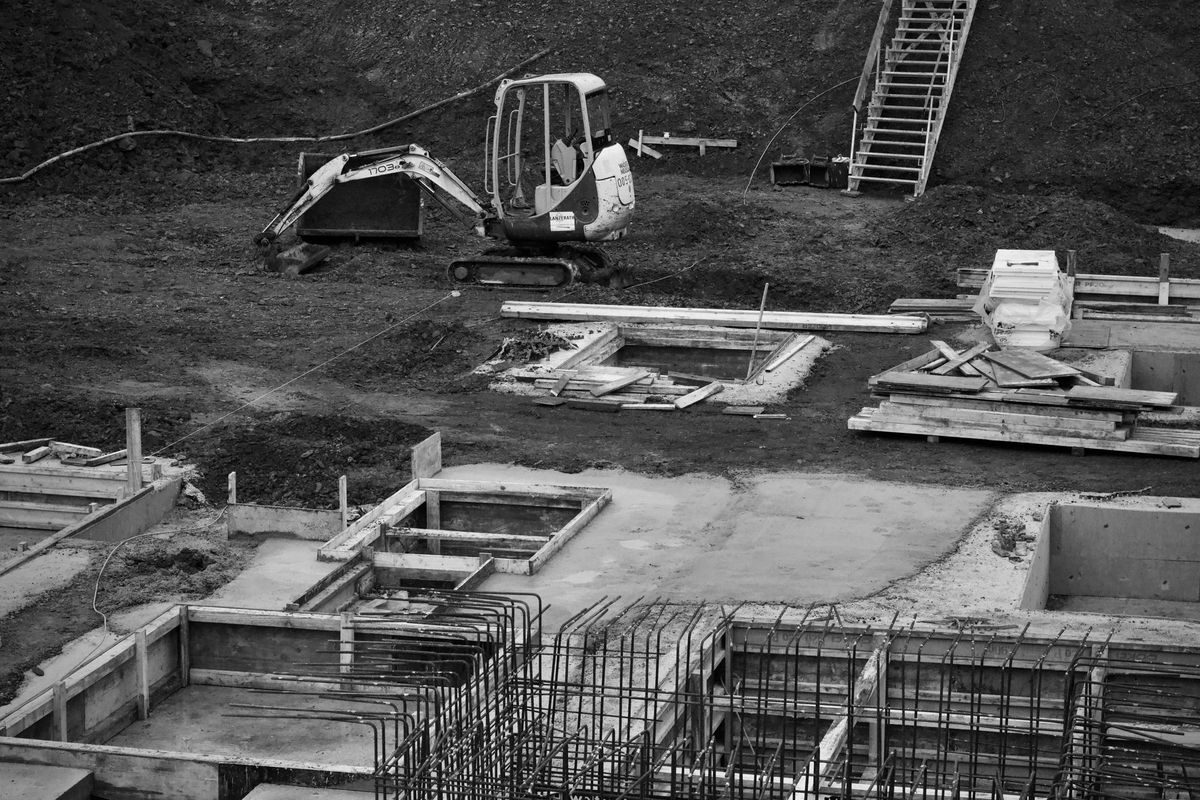
A gunite pool starts with excavation, then steel rebar is installed to create the pool’s structure. After that, gunite, which is a dry concrete mix sprayed with water at the nozzle, is applied over the framework. Once the shell is in place, it needs time to cure. Plumbing, electrical, coping, tile, decking, and the interior finish all come after.
That is a lot of moving parts, and every step depends on the one before it being done right. Rain can slow progress. Scheduling subcontractors can slow progress. Finish choices can slow progress. A gunite project often takes several months, not several weeks.
How a Fiberglass Pool Is Installed
A fiberglass pool begins with excavation too, but the shell is already built before it ever reaches your property. It arrives by truck, gets lifted into the hole, leveled, plumbed, backfilled, and surrounded by decking and finish work.
This usually shortens the install timeline in a big way. In many cases, the shell can be set in a single day. The catch is access. If your yard has a narrow side passage, dense tree cover, fences in the wrong spots, or a slope that complicates delivery, getting that shell into place can be harder than it sounds.
Upfront Cost
If sticker price matters most, fiberglass usually starts in a friendlier place. Gunite tends to cost more because it is labor-heavy, slower to build, and far more customizable.
That said, pool pricing gets slippery fast. Excavation difficulty, drainage needs, decking choices, screen enclosures, water features, and equipment upgrades can move the total by a lot. For a deeper look at local budgeting, take a look at what custom pool projects actually cost in this area.
What Raises Gunite Pool Costs
Customization is the big one. Freeform layouts, beach entries, sun shelves, deep ends, built-in spas, infinity edges, and premium interior finishes all push the number up. So does the longer construction process, because more labor hours usually mean a bigger bill.
Gunite also invites upgrades. Once you realize you can shape almost anything, it gets very easy to add one more feature, then another. That is part of the appeal, honestly, but it is also why gunite budgets grow.
What Raises Fiberglass Pool Costs
Fiberglass is not automatically cheap. Larger shells cost more, and delivery logistics can add real expense. If a crane is needed to lift the shell over a home or a line of mature oaks, the price changes quickly.
Decking, drainage corrections, retaining walls, upgraded coping, heaters, and automation can narrow the cost gap too. The shell may be more predictable, but the rest of the project still lives in the real world.
Long-Term Maintenance and Upkeep
This is where fiberglass often pulls ahead for everyday ownership. Once the pool is built, you live with the surface, the cleaning routine, and the chemistry demands for years. A smoother, less porous surface simply asks less from you.
Surface Care and Cleaning
Fiberglass has a smooth, nonporous finish. Nonporous just means the surface does not have tiny open spaces that hold onto algae and minerals as easily. In practice, that usually means less brushing and easier cleanup.
Gunite is more porous, so algae has more places to grab hold. You will likely brush more often, especially in warm, sunny climates. That does not make gunite a bad pool. It just makes it a more hands-on one.
Water Chemistry and Routine Service
Because gunite is porous, it tends to interact more with the water. That can make chemical balance a little less forgiving, especially around pH and calcium. Staining and scale buildup are also more common if chemistry drifts.
Fiberglass is usually easier to manage month to month. Your sanitizer still matters, your filter still needs attention, and no pool takes care of itself, but the surface does you a favor. If you want a clearer picture of the day-to-day side, getting a handle on regular pool care without overthinking it helps a lot.
Resurfacing and Major Maintenance
Gunite pools need resurfacing eventually. The shell itself can last a very long time, but the interior finish wears down and has to be renewed every so often. That is a real long-term cost, and it is not a small one.
Fiberglass shells usually avoid that cycle. Repairs can happen, but recurring full-surface overhauls are much less common. Over 10 or 15 years, that can shift the value equation more than the original purchase price.
Durability and Lifespan
Both pool types can last a long time when installed properly. Poor installation causes more disappointment than the material itself.
How Gunite Holds Up
Gunite has a strong reputation for longevity, and that reputation is deserved. The structural shell is tough and can serve a property for decades. The part that ages faster is the finish layer, not the whole pool.
Cracks can happen, but “gunite cracks constantly” is an exaggeration. Proper engineering, soil prep, drainage, and construction quality matter far more than internet horror stories.
How Fiberglass Holds Up
Fiberglass has some natural flexibility, which helps in areas with mild ground movement. Instead of behaving like a rigid bowl, it has a little give. That can be a real advantage in certain soil conditions.
The tradeoff is that fiberglass depends heavily on proper installation and backfill. Poor support under or around the shell can lead to bulges, settling, or stress issues. Surface fading and gelcoat wear can also happen over time, though usually not overnight and not without warning.
Design Flexibility and Customization
If your dream pool is very specific, gunite is the winner. Not close.
Fiberglass offers attractive designs, but you are choosing from a catalog of molds. Gunite lets you shape the pool around your yard instead of shaping your expectations around a pre-made shell. If you are sorting through ideas for layout, sun exposure, and features, planning a backyard setup that fits Florida living is a useful place to start.
Custom Shapes, Sizes, and Depths
Gunite gives you nearly unlimited flexibility. Curved edges, unusual dimensions, deep ends for diving, tanning ledges, raised spas, swim-up seating, and integrated water features are all easier to achieve.
Fiberglass comes in preset sizes and shapes. Many look great, and many include built-in benches or tanning areas, but the dimensions are fixed. If your lot has a strange footprint or your must-have feature needs a custom geometry, fiberglass can feel like buying shoes in whole sizes only.
Finishes and Visual Style
Gunite gives you more visual range. White plaster creates a classic bright-blue look. Exposed aggregate can feel more upscale and natural. Tile details can make the pool look tailored to the home.
Fiberglass has a cleaner, molded appearance. It looks sleek, polished, and consistent. What you give up in finish variety, you gain in a tidy, low-fuss surface.
Comfort and Swimming Experience
This part gets overlooked during planning, but you notice it constantly once the pool is yours.
Surface Feel and Safety
Fiberglass is usually smoother on feet, hands, and swimwear. If you have ever scraped a toe on a rough pool step, you already understand the appeal.
Gunite can feel rougher, especially with certain finishes. Some homeowners like the extra traction underfoot. Others find it less comfortable for kids, lounging, or long casual swims. Finish choice matters here, but fiberglass usually feels softer and easier to live with.
Heat Retention and Water Feel
On a hot afternoon, both pool types can feel great, but fiberglass often feels a little friendlier to the touch because of its smooth shell. Gunite surfaces can absorb and hold heat differently depending on finish color and material.
In practical terms, equipment and exposure matter more than the shell alone. Sun, shade, heaters, wind, and surface color have a bigger impact on daily water temperature than most sales pitches suggest. Still, fiberglass can be slightly more efficient to maintain comfortably because smoother surfaces can support easier circulation and cleaning.
Repairability and Problem Fixes
Every pool eventually needs something fixed. The real question is how disruptive and expensive that fix becomes.
Common Gunite Repairs
Gunite repairs often involve plaster wear, discoloration, tile line problems, minor cracking, or spot repairs to the surface. Most issues are fixable, which is a point in gunite’s favor.
But the catch is that repairs can be messy and expensive. Surface work may be visible until a larger refinishing happens, and major crack repair is not the kind of project you shrug off over a weekend.
Common Fiberglass Repairs
Fiberglass repairs usually center on gelcoat scratches, chips, blisters, bulges, or stress-related damage tied to poor installation or groundwater pressure. These problems are less common in a well-installed pool, but repair work can be specialized.
That means fewer local crews may be qualified to handle the job correctly. When fiberglass needs expert repair, you want somebody who truly knows the material, not somebody guessing with a patch kit.
Climate, Soil, and Site Conditions
The best pool on paper can still be wrong for your property. Soil behavior, drainage, weather patterns, and access can swing the decision.
Cold Climates and Ground Movement
In places with freeze-thaw cycles and shifting soils, both pool types can work if the installation is done properly. Fiberglass has some flexibility, which can help with moderate movement. Gunite relies more on structural engineering, steel reinforcement, and site prep.
What matters most is not the marketing claim. It is whether your builder understands your soil and drainage conditions. Expansive soil, high groundwater, or drainage issues should shape the build from day one.
Tight Yards, Slopes, and Delivery Access
Here is where fiberglass can lose quickly. If your backyard sits behind a narrow side yard, under mature trees, or below a steep grade, getting a large shell into place may require a crane or may not be practical at all.
Gunite is built on-site, so access is usually easier to manage. If your lot is awkward, compact, or full of obstacles, that alone can push the decision toward concrete. And before any contract gets signed, it helps to know what separates a dependable pool builder from a risky one.
Energy Efficiency and Operating Costs
Pool ownership costs do not stop after construction. Heating, circulation, chemical use, and cleaning all add up month after month.
Heating and Circulation
Fiberglass often has a slight edge in operating efficiency because the smooth surface can support easier water movement and may reduce drag on circulation a bit. Some owners also find the water gets comfortable faster, though the difference is not dramatic enough to outweigh design priorities.
Gunite can cost more to keep looking clean and feeling balanced, especially if the surface texture encourages more brushing and filtration work. It is not night and day, but over years, small monthly differences become real money.
Chemicals and Cleaning Equipment
Fiberglass generally needs fewer corrections in water balance and less aggressive brushing. That can mean lower chemical use and a little less wear on cleaning equipment.
Gunite usually asks for more attention. In Florida’s long swim season, that matters. If you want a broader look at choosing the surface that makes the most sense for homes around Gainesville, site conditions and upkeep are a big part of the answer.
Resale Appeal and Home Value
Pools affect resale in a very neighborhood-specific way, but presentation matters. A beautiful gunite pool with premium finishes can feel like a luxury feature that elevates the whole yard. In the right home, that impression counts.
Fiberglass tends to appeal through simplicity. Buyers often like the idea of lower upkeep and a smoother surface, especially if the pool still looks crisp and current. If your area favors higher-end outdoor living spaces, gunite can have stronger visual cachet. If buyers care more about convenience, fiberglass can be easier to appreciate.
Pricing and Lifetime Value
This is where the decision becomes more honest. A lower purchase price does not always mean lower ownership cost, and a higher upfront bill does not always mean bad value.
Best Value for Lower Upfront Spend
Fiberglass usually wins if you want to keep the initial project more controlled. Installation is faster, labor demands are lower, and long-term maintenance is often easier on both your time and your wallet.
The savings are real, but upgrades can narrow the gap. Bigger decking packages, premium equipment, water features, and delivery complications can make fiberglass less of a bargain than it first appears.
Best Value for Long-Term Custom Living
Gunite makes sense when your backyard plan is the priority and you want the pool shaped around that plan without compromise. The higher cost buys freedom. Freedom in shape, depth, finish, edge detail, and how the pool connects to the rest of your outdoor space.
If your goal is a one-of-a-kind backyard that feels built into the property, not placed beside it, gunite can absolutely be worth the extra cost.
When a Gunite Pool Is the Better Choice
Gunite is the better choice when your project needs custom dimensions, unusual depth, a complex lot fit, or a more upscale finish palette. It also makes sense when yard access rules out delivery of a fiberglass shell.
You should lean gunite if you care deeply about the final look and want details like an integrated spa, vanishing edge, curved tanning ledge, or custom step layout. It is also the right fit if you plan to stay in the home long term and want the backyard built exactly once, exactly the way you want it.
When a Fiberglass Pool Is the Better Choice
Fiberglass is the better choice when you want a simpler path to a finished pool. If your priorities are faster installation, lower maintenance, smoother surfaces, and a more predictable budget, fiberglass checks those boxes better than gunite.
It also fits well if you do not need an unusual shape or deep customization. If one of the available shell designs suits your yard and your family’s swim habits, fiberglass often gives you the least stressful ownership experience.
Verdict: Which Pool Should You Choose?
For most homeowners, fiberglass is the better answer in a gunite pool vs fiberglass comparison. It installs faster, usually costs less upfront, needs less brushing and chemical babysitting, and avoids the resurfacing cycle that comes with gunite.
Pick gunite when your yard or your vision demands something custom. Pick fiberglass when you want the easier pool to own.
A simple next step: get quotes for both based on your actual yard access, must-have features, and finish preferences. On paper, the choice can look close. Standing in your backyard, it usually gets a lot clearer.