
Custom Pool Contractor: What to Look for Before You Hire
September 3, 2026
Gunite vs Fiberglass Pools: What Homeowners Need to Know
September 3, 2026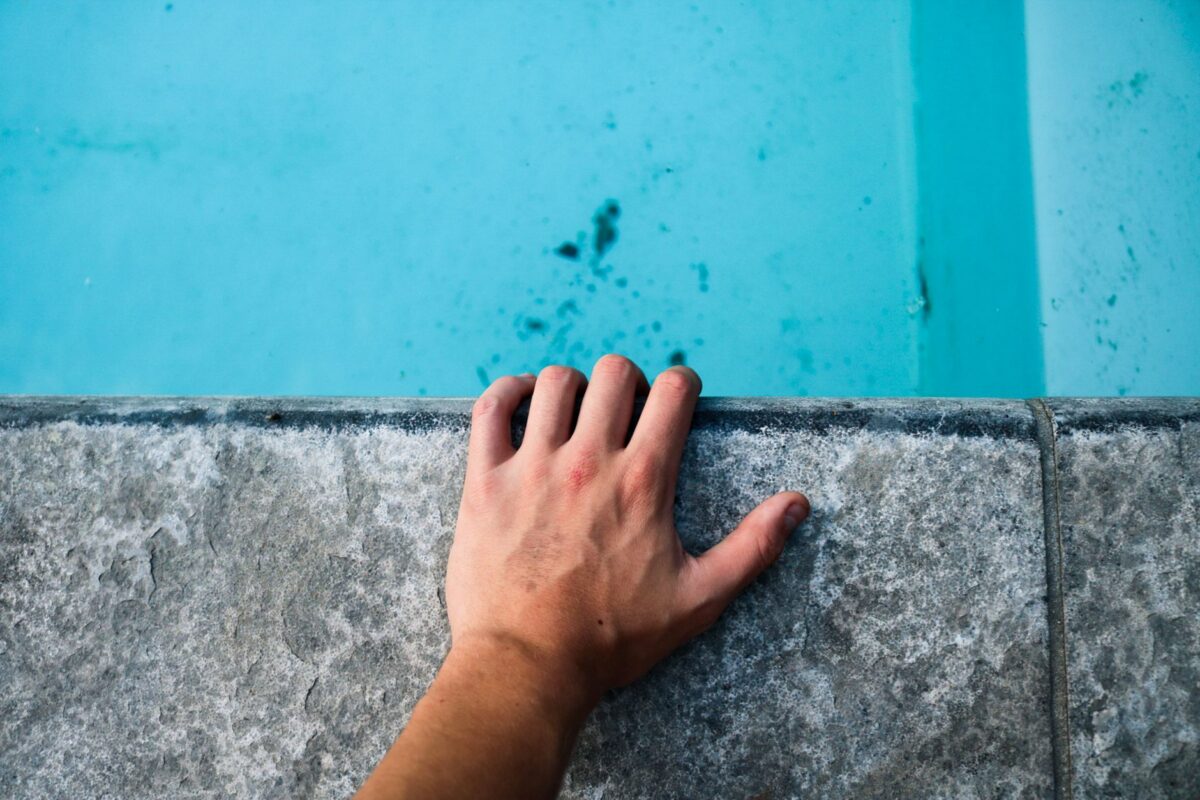
Choosing between a fiberglass vs concrete pool usually comes down to one uncomfortable truth: the prettier brochure does not tell you what ownership feels like three summers later. For most homeowners, fiberglass is the better choice because it installs faster, asks less from you week to week, and usually costs less over time. Concrete still wins when your backyard plan is highly specific and you want a pool shape that cannot come out of a mold.
Fiberglass vs Concrete Pools at a Glance
Both are inground pools, but they get built in completely different ways. A fiberglass pool arrives as a pre-made shell from a factory, gets lowered into the excavation, connected, backfilled, and finished. A concrete pool is built on-site from the ground up, which means more freedom, more steps, and more time.
That difference drives almost everything else. Fiberglass usually wins on speed, lower maintenance, easier water care, and more predictable pricing. Concrete wins on design freedom, luxury features, and unusual layouts. If you want a clean, attractive pool without turning the project into a long custom build, fiberglass is the practical winner. If your dream includes a vanishing edge, a dramatic tanning ledge wrapping a curve, or a deep-end shape tailored to a narrow lot, concrete earns its higher price.
Here’s the simple version: fiberglass is easier to live with, concrete is easier to customize.
| Feature | Fiberglass Pool | Concrete Pool |
|---|---|---|
| Installation speed | Faster | Slower |
| Design flexibility | Moderate | Highest |
| Surface texture | Smooth | Varies by finish |
| Routine maintenance | Lower | Higher |
| Algae resistance | Better | Lower |
| Chemical demand | Lower | Higher |
| Up-front price | Lower to mid | Higher |
| Long-term resurfacing | Less frequent | Regular cycle |
| Best for | Simplicity | Custom design |
Installation Process and Timeline
If timing matters, and it usually does, fiberglass has a big edge. A project started in spring may be swim-ready far sooner with fiberglass than with concrete, which matters when you picture that first July weekend and do not want to spend it staring at a fenced-off hole.
How fiberglass installation works
A fiberglass pool starts as a one-piece shell made off-site. Your yard gets excavated to match the shell, the base gets prepared, and then the shell is delivered and lowered into place by crane. After that, plumbing, backfilling, coping, decking, and equipment setup move the project toward completion.
Because the shell is already finished when it arrives, much of the guesswork disappears. That is the reason fiberglass is often installed in a matter of weeks rather than months. Site conditions still matter, but the core structure does not need to be formed and cured on your property.
How concrete installation works
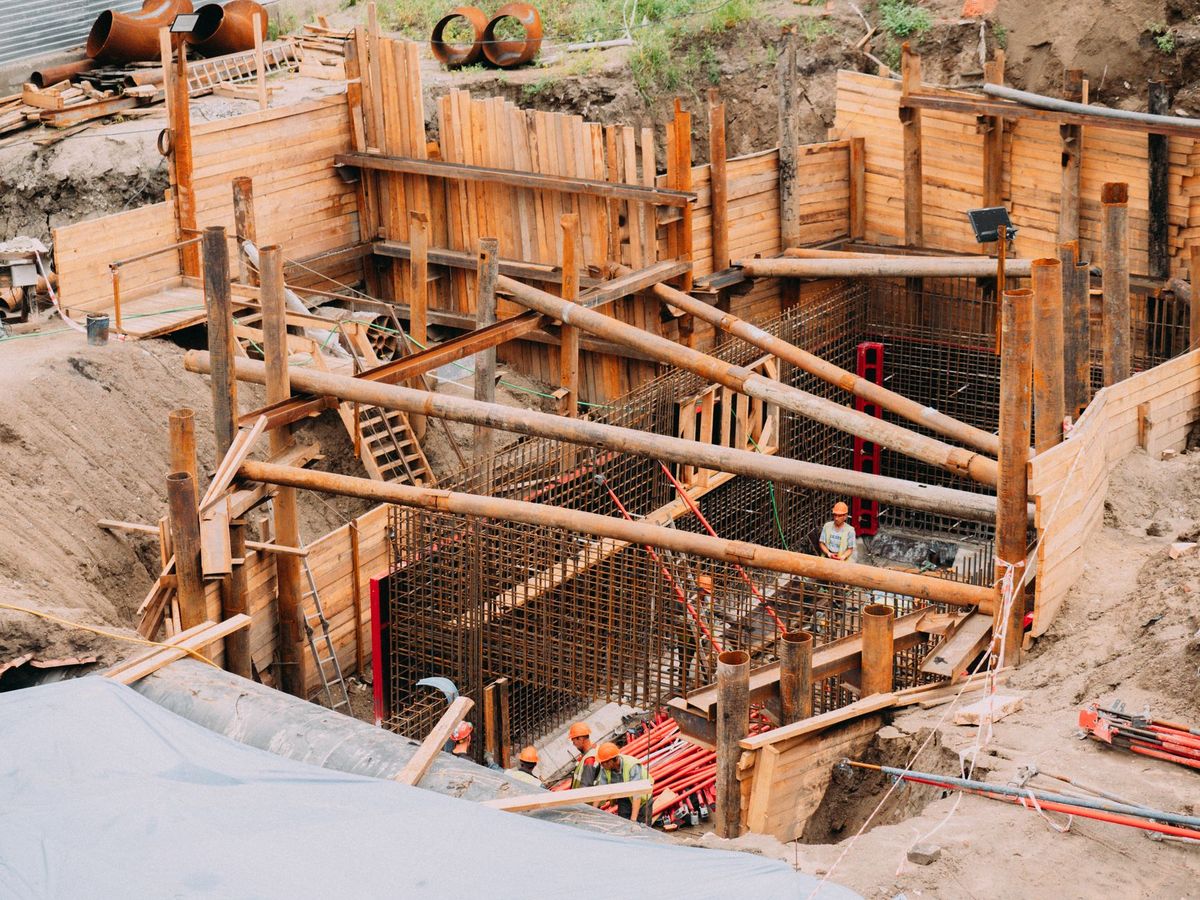
A concrete pool is more like building a structure than setting one in place. The yard gets excavated, rebar is installed to form the steel skeleton, plumbing and electrical lines are placed, and then gunite or shotcrete gets sprayed into shape. After that comes curing, tile or coping, interior finish, decking, startup, and inspections along the way.
That longer process is the price of customization. Every curve, bench, spa spillway, and deep-end profile gets created on-site. The catch is that each stage depends on the previous one being done right and, just as important, on the weather cooperating.
What can slow either project down
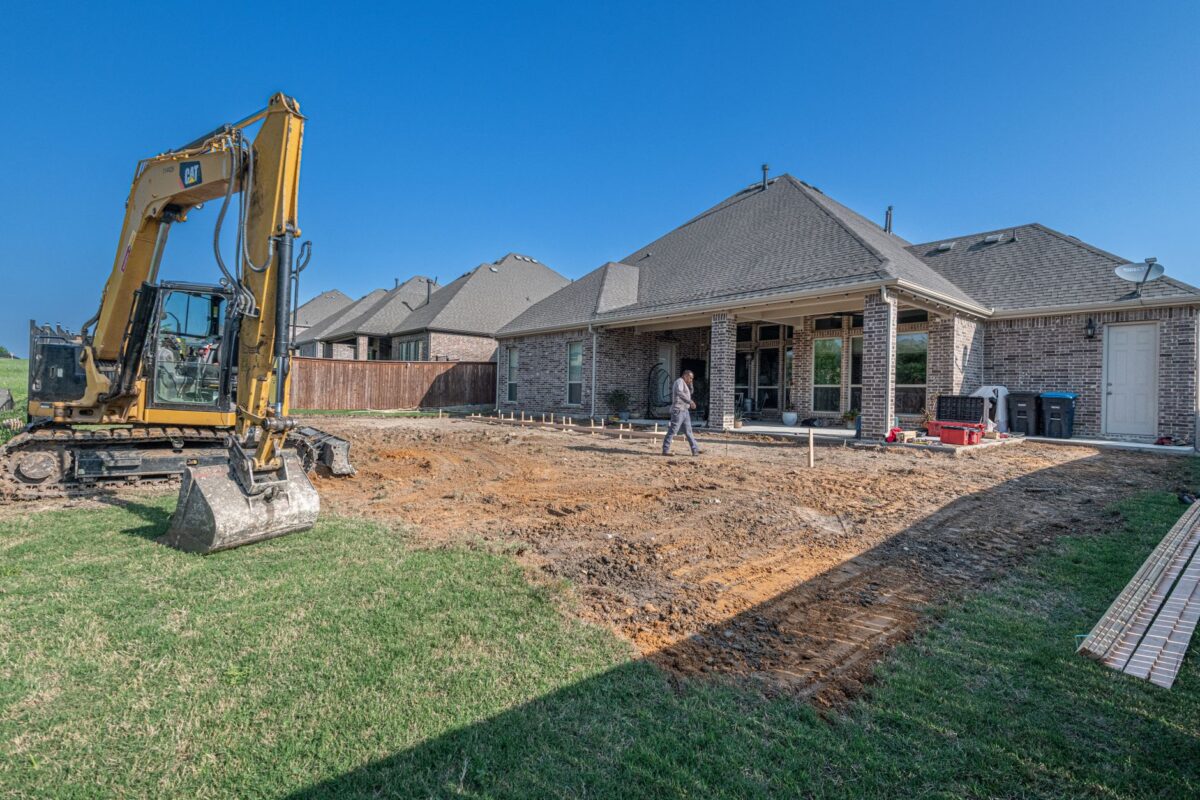
Permits, inspections, poor weather, and bad access can delay both types. Rocky soil, a sloped yard, tight side access, or a high water table can add time and cost fast. Even a simple issue like where the crane can sit may affect a fiberglass job.
Before any digging starts, it helps to understand what permits and approvals usually come first. That alone can save you from the classic mistake of assuming the schedule starts on excavation day.
Design Flexibility and Customization
This is where the decision often gets real. If you care most about shape, depth transitions, integrated features, and getting the pool to fit a very specific backyard plan, concrete is hard to beat. If you mostly want a beautiful, functional pool from a set of proven layouts, fiberglass is often enough.
Where fiberglass has limits
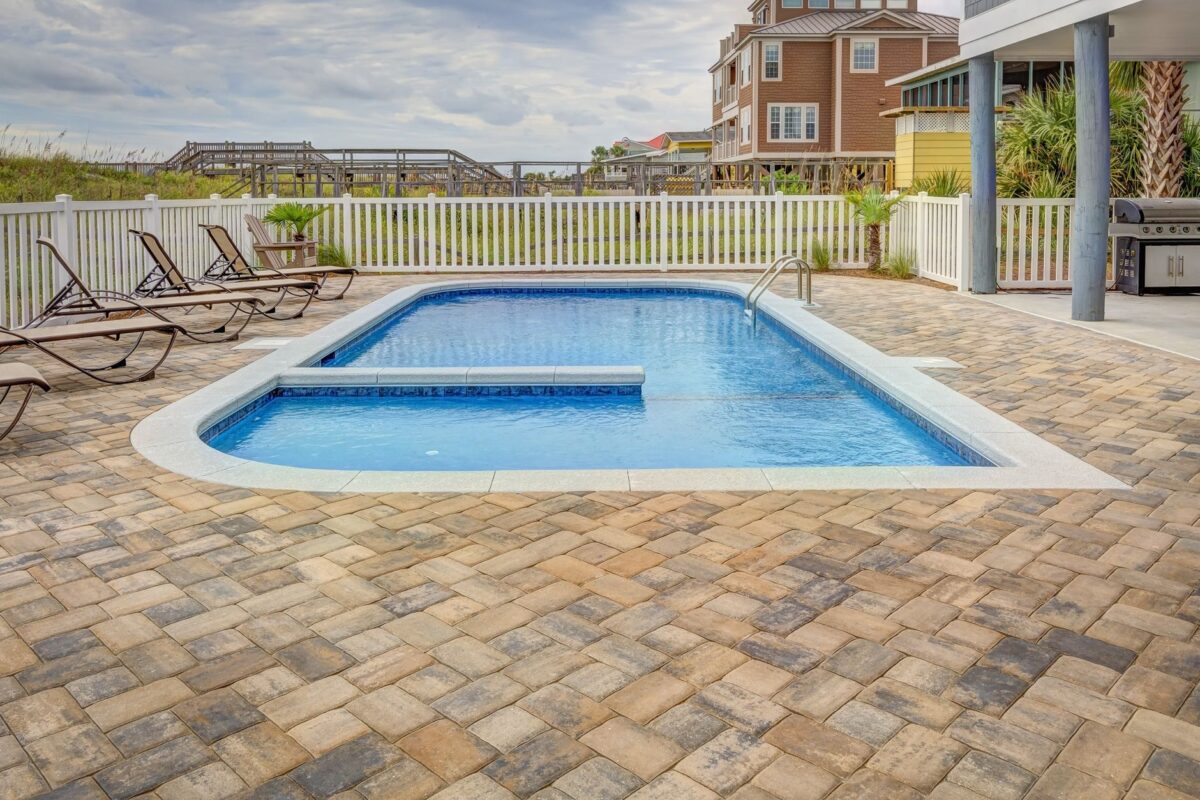
Fiberglass pools come in preset molds. That does not mean you only get two bland choices. Many shells include tanning ledges, benches, built-in steps, and modern lines. But your choices are still limited to what manufacturers already make.
So if your yard calls for an extra-narrow width, a custom diving envelope, or a shape that bends around a patio layout, fiberglass may force compromises. Think of it like shopping for a sofa in standard sizes. You can find a good one, but you cannot stretch it two more feet because your room says so.
Where concrete stands out
Concrete gives you almost complete design freedom. If you want a vanishing edge, perimeter overflow, custom spa integration, beach entry, unusual curves, or a pool designed around mature trees or a tight property line, concrete is the better fit.
This matters even more in higher-end backyards where the pool is the whole visual anchor, not just a place to cool off. In places where outdoor living gets used nearly year-round, design often becomes part of the home’s identity. If you are planning around a regional style, ideas for a better backyard layout in Florida can help you see where custom design pays off and where it just adds cost.
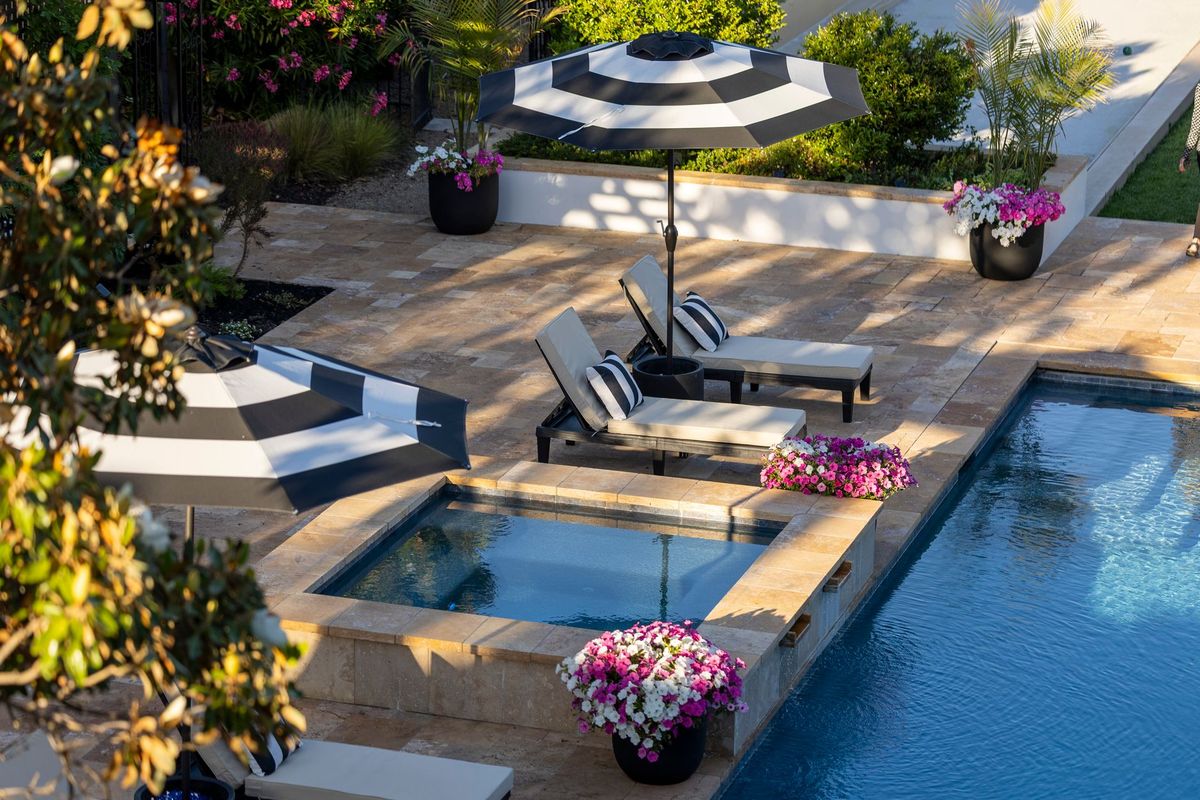
Surface Feel, Appearance, and Style
You notice a pool’s surface every time your feet touch the floor, your hand skims the step edge, or the sun hits the water at 5:30 in the afternoon. Material affects comfort as much as looks.
Fiberglass finish and feel
Fiberglass has a smooth gel coat finish. Underfoot, it feels sleek and easy on bare skin, with less chance of scraped toes or rough patches. For families with kids who spend half the day climbing in and out, that difference is not small.
Color options have improved a lot, too. You can get blues, grays, sands, and finishes that lean modern instead of the old bright-blue look some people still imagine. The visual range is not endless, but it is better than many homeowners expect.
Concrete finish options
Concrete gives you far more finish variety. Plaster is the classic choice, pebble adds texture and depth, quartz lands somewhere in between, and tile can create a high-end custom look that feels like a resort.
That freedom changes the whole vibe of the yard. Smooth white plaster looks traditional. Dark pebble can feel dramatic and modern. Glass tile can make the water look almost lit from below. But appearance and feel are tied together here. Some concrete finishes are more textured, which some homeowners love and others notice every time they push off the wall.
Durability and Structural Strength
Both pool types can last a long time, but they age differently. The right question is not “Which is stronger on day one?” It is “Which one fits your soil, your maintenance habits, and your tolerance for future repairs?”
How fiberglass handles movement
Fiberglass has natural flexibility. That slight give can help in soils that move, settle, or expand and contract. Instead of acting like a rigid shell that resists every bit of pressure, fiberglass can absorb a certain amount of movement.
That can be especially helpful in sites where minor ground shifts are part of normal life. The shell itself is strong, but its strength works differently from concrete. It is not brute mass. It is controlled flex.
How concrete holds up over time
Concrete is structurally strong and can last for decades. That is one reason luxury custom pools so often use it. But strength does not mean zero issues. Concrete can develop cracks, surface wear, and cosmetic deterioration over time, especially if soil movement, water chemistry, or workmanship are less than ideal.
Most of the time, the structure remains serviceable even when the surface needs attention. Still, repairs are more common in the long story of concrete ownership. If you are comparing materials closely, a deeper look at how gunite and fiberglass differ in real-world ownership adds useful context.
Maintenance and Cleaning
This is where opinions usually harden. A pool that looks amazing on install day can feel very different when you are brushing walls in August heat.
Why fiberglass is usually easier to maintain
Fiberglass has a nonporous surface, which makes it harder for algae to take hold. That usually means less brushing, less scrubbing, and a generally easier cleaning routine. Dirt still lands in the pool, leaves still show up, and chemistry still matters, but the surface itself does not work against you.
If you want the lowest-hassle ownership experience, fiberglass is the better bet. It is simply easier to keep clean, and that matters more after year two than it does during shopping season.
Why concrete needs more hands-on care
Concrete is porous, so algae has more places to cling. That usually means more brushing and more vigilance. If you skip routine care for a bit, concrete tends to show it faster.
That does not make concrete a bad choice. It just means the pool asks more from you. If you already know regular upkeep is not your favorite part of ownership, spend time learning how to keep a pool clean without constant second-guessing before deciding on a surface that needs more hands-on attention.

Water Chemistry and Chemical Use
Water care gets old fast when the pool constantly pulls chemistry out of balance. Surface type plays a bigger role here than most homeowners expect.
Fiberglass and chemical balance
Fiberglass is less chemically reactive than concrete. In everyday terms, the surface is not actively affecting the water the same way a curing cement-based finish can. That usually means more stable pH and lower acid demand.
You still need sanitizer, filtration, and testing. But the rhythm is usually calmer. Fewer swings, fewer corrections, less time fiddling with buckets and test strips on a Saturday morning.
Concrete and curing effects
Concrete pools, especially when new, can affect water chemistry because cement-based finishes raise pH as they cure. That means closer monitoring and more frequent adjustments early on. Even after startup, porous surfaces often drive higher sanitizer demand and more aggressive brushing.
Over the long haul, concrete ownership usually involves more chemistry attention. If easy water care sits high on your list, this category strongly favors fiberglass.
Cost Up Front and Over Time
A cheaper bid does not always mean a cheaper pool over 10 or 15 years. That is where many backyard budgets get blindsided.
Initial installation cost
In most U.S. markets, fiberglass usually starts lower than a fully custom concrete build. The shell is manufactured in advance, labor time is shorter, and the installation path is more standardized.
Concrete usually starts higher because the build is more labor-intensive and design-driven. More trades, more time, more finish options, more room for cost growth. That does not mean every fiberglass pool is inexpensive or every concrete pool is wildly priced. But in a head-to-head match, concrete usually costs more at the start.
Long-term ownership cost
Long-term cost is where fiberglass often pulls farther ahead. Lower chemical use, less brushing, fewer algae battles, and no regular resurfacing cycle in the same way concrete requires can make ownership simpler and less expensive.
Concrete can last for a very long time structurally, but resurfacing, repairs, higher maintenance, and sometimes higher chemical demand add up. If you are budgeting seriously, it helps to compare what pool construction actually costs in Florida with the understanding that material choice changes not just the quote, but the years after the quote.
Pricing and Plans
Price ranges vary by market, but the general pattern holds almost everywhere: fiberglass is more predictable, concrete is more open-ended.
Typical fiberglass pool price range
A standard installed fiberglass pool in the U.S. often lands somewhere around $60,000 to $100,000, with many projects ending up higher once decking, fencing, heaters, lighting, automation, and screen or landscape work get added. In simpler yards, the number can stay closer to the lower end. In difficult sites, it climbs quickly.
Common add-ons include tanning ledges, salt systems, heat pumps, upgraded coping, waterline tile accents, and premium deck finishes. The shell price is only part of the story.
Typical concrete pool price range
A concrete pool often starts around $80,000 and can easily move into $120,000 to $200,000 plus, especially when custom shapes, spas, sun shelves, tile upgrades, water features, and complex engineering enter the picture.
This is where homeowners sometimes get sticker shock. A custom freeform pool with a raised spa and premium interior finish can move from “nice backyard project” to “major construction budget” in a hurry.
Hidden costs to ask about before signing
Quotes can look similar while hiding very different scopes of work. Ask specifically about excavation surprises, soil hauling, decking allowances, fencing, electrical upgrades, drainage, permits, heaters, automation, water features, and startup chemicals.
Tight access can also raise costs fast. If equipment has to come through a narrow side yard or crane over a house, the price changes. In one Gainesville-area style layout with mature oaks and limited entry, site logistics alone can turn an average install into a more expensive one. That is not rare. It is exactly the sort of detail that separates an optimistic estimate from a real one.
Longevity, Resurfacing, and Repairs
Pools age in stages. Some costs come early, some show up later, and some only matter if you keep the home for a long time.
Fiberglass repair and lifespan
Fiberglass shells can last for decades when installed correctly and cared for properly. The surface may dull over time, and staining or gel coat wear can happen, but major resurfacing is generally less frequent than with concrete.
Repairs are possible if damage occurs, though the best outcome usually comes from preventing installation-related issues from the start. Proper support, backfill, and water management matter a lot here.
Concrete repair and resurfacing cycle
Concrete pools can also last for decades structurally, sometimes far longer. But the interior finish usually needs resurfacing on a regular cycle. Depending on the finish and care, that might happen every 10 to 20 years, sometimes sooner.
That resurfacing bill is one of the biggest long-term differences between these materials. Concrete can absolutely be a forever-pool structure, but the finish is not a one-and-done component.
Climate, Soil, and Location Fit
Pool material should fit your property, not just your Pinterest board. Soil behavior, weather patterns, and access can push the decision in one direction fast.
When fiberglass is a better site match
Fiberglass is especially appealing when you want a faster install, lower maintenance, and a shell that can tolerate some soil movement. It is often a strong fit for homeowners who want a dependable project timeline and fewer future chores.
It also makes sense when your goal is straightforward: a beautiful pool, clean lines, comfortable surface, and a smoother ownership experience. In many suburban backyards, that is the sweet spot.
When concrete is a better site match
Concrete is the better fit when your lot is unusual, your design is highly custom, or the pool needs to solve a tricky layout problem. If you need exact dimensions, dramatic feature integration, or a shape built around architecture, concrete earns its place.
The extra cost and time make more sense when standard shell sizes would force compromises you would notice forever.
Resale Appeal and Buyer Perception
A well-designed pool can absolutely help a home stand out, but resale appeal depends more on quality, condition, and fit with the property than on material alone. A neglected concrete pool does not impress anyone. Neither does a fiberglass pool that looks squeezed into the yard without thought.
That said, buyer perception can shift by neighborhood. In higher-end custom-home areas, a concrete pool may feel more aligned with buyer expectations, especially if the design is striking. In many family neighborhoods, a low-maintenance fiberglass pool can be just as appealing because future owners see less upkeep and fewer big-ticket surface projects.
Best Use Cases: When to Choose Fiberglass
Choose fiberglass if your priorities are speed, simplicity, and easier ownership. It is the better match if you want to get installed faster, keep weekly maintenance lighter, and avoid the regular resurfacing cycle that comes with concrete.
It also makes sense if you want pricing that stays more predictable. If your vision fits within available shell shapes and sizes, fiberglass gives you the cleanest path from planning to swimming.
Best Use Cases: When to Choose Concrete
Choose concrete if the design itself is the point. If you want a pool tailored to your lot, your architecture, and a very specific visual style, concrete is the stronger choice.
It is also the smarter pick when you want luxury features that need true custom construction. Deep customization, unusual geometry, vanishing edges, and upscale finish combinations are where concrete justifies the extra work and cost.
Fiberglass vs Concrete Pool: Which Is Better for You?
For most homeowners, fiberglass is better. That is the clear answer. You get faster installation, lower maintenance, easier chemistry, a smooth surface, and lower long-term hassle. If your goal is to enjoy the pool instead of constantly managing it, fiberglass is the practical winner.
Concrete is better for a narrower kind of buyer: somebody whose design vision is specific enough that a preformed shell would always feel like a compromise. If customization matters more than cost, speed, and upkeep, concrete is worth it. But if you just want the smarter all-around choice, fiberglass wins.
Best overall winner for most homeowners
Fiberglass takes this one because ownership is simpler from almost every angle that matters after installation. It is faster to build, easier to clean, gentler on chemical balance, and usually less expensive over time.
That matters more than fancy customization for most backyards. A pool is supposed to feel like relief, not another demanding project.
Best choice for a custom backyard vision
Concrete wins when your backyard needs something truly one of a kind. If the pool must match a specific layout, feature set, or architectural look, concrete gives you the freedom fiberglass cannot.
The best move before signing anything is simple: write down your top three priorities in order. If low upkeep and speed sit near the top, choose fiberglass. If custom design outranks everything else, choose concrete. That one small exercise usually makes the decision much clearer.