How Long Does It Take to Build a Pool?
July 9, 2026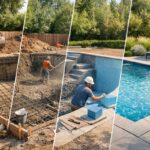
Pool Construction Timeline: Every Stage Explained
July 9, 2026
Most pool builder reviews feel useful right up until you try to spend real money based on them. If you’re searching pool builder reviews in Gainesville, the gap is pretty obvious: five stars can’t tell you how a company handles soggy summer delays, backyard drainage, or a permit hiccup that turns a clean schedule into a six-week stall.
Why Pool Builder Reviews Miss So Much in Gainesville
Online reviews are built for quick impressions. Pool projects are not. That mismatch is the whole problem.
A short review usually praises the finished look, the sales rep, or the fact that the pool got done at all. What it usually skips is the hard part: how the builder handled sandy soil, afternoon downpours, standing water near the deck, utility markings, or the kind of lot constraints that show up in neighborhoods with tighter layouts and HOA rules. In Gainesville, those details are not side notes. They shape the project.
The catch is that pools are one of those purchases where the invisible work matters as much as the visible result. A pool can look great on photo day and still have poor drainage, cheap equipment, or a vague warranty setup that becomes your problem later. Reviews rarely capture that because most people write them at the emotional high point, right after startup, when the water is clear and the lights are glowing blue.
That’s why broad praise is not enough. Local fit matters more.
Quick Take: What Actually Matters More Than the Star Rating
A builder with a slightly lower average rating but better local detail in reviews is usually the safer choice. That’s the straight answer.
What matters most is not the star count. It’s whether the feedback shows a builder can manage Gainesville-specific realities: permits, lot drainage, heat, storm interruptions, and handoff support after construction wraps. A bland “amazing job” review tells you almost nothing. A review that mentions timeline changes after heavy rain, how the builder reset expectations, and whether the decking drained correctly after the first storm tells you a lot.
You’re not really reviewing a pool. You’re reviewing a months-long process with sales, design, excavation, inspection, cleanup, startup, and warranty support all tangled together. If a review only covers one of those pieces, it’s incomplete by default.
Pool Builder Snapshot: What Gainesville Homeowners Usually See in Reviews
Most reviews focus on four things: price, speed, friendliness, and how pretty the finished pool looks. Those things matter, but they only cover the surface.
Price comments are often vague. “Worth every penny” sounds nice, but it tells you nothing about equipment quality, change orders, or what got upgraded after the contract was signed. Speed comments can be just as slippery. A builder may move quickly on a straightforward lot and crawl on another because excavation, drainage correction, or inspection timing changed the whole job. Friendliness matters too, but a kind sales process does not automatically mean a well-managed build.
So the real product being reviewed is the full builder experience, from first quote to first swim. That’s the lens that makes reviews useful.
The Most Common Review Claims
“Great communication” is everywhere. So is “beautiful pool,” “easy to work with,” and “finished on time.”
Here’s what those phrases can mean in practice. “Great communication” might mean someone answered texts within a day. Or it might only mean the sales rep was attentive before the contract. “Beautiful pool” may describe tile color and shape, not plumbing layout or deck pitch. “Finished on time” could refer to the builder’s revised timeline, not the original one discussed at the kitchen table.
The trick is to treat common praise like a movie trailer. It shows the highlights, not the whole plot.
The Key Specs Reviews Should Mention but Often Don’t
Useful reviews mention specifics. Project length. Surface type. Deck material. Pump and filter brand. Whether subcontractors rotated constantly or stayed organized. How warranty calls were handled after completion.
If you’re trying to compare builders, those details matter more than adjectives. The more a review names real components and real moments, the more weight it deserves. If all you get is “love our pool,” keep scrolling.
First Contact and Quote Experience
The estimate stage is where many builders look their best. Fast replies, nice renderings, polished folders, smooth promises. None of that is bad. It just isn’t enough.
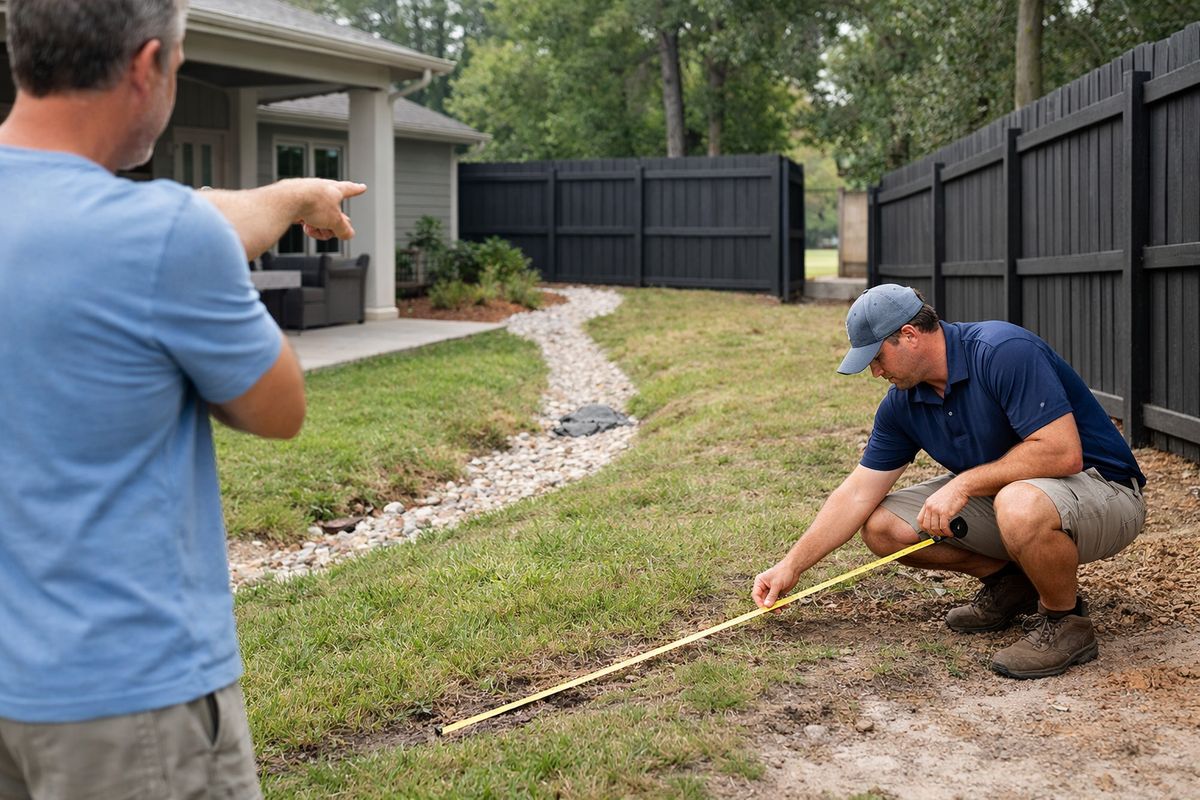
Early responsiveness is helpful because it shows basic professionalism. But the first call and site visit are really tests of depth. Does the builder ask about drainage? Does someone walk the yard carefully instead of glancing at it from the patio? Does the estimate explain what is fixed and what is an allowance, meaning a placeholder amount that can rise later? That’s where the real signal is.
If you want a better sense of how the process should unfold, it helps to understand what each stage of a pool project actually looks like. A quote feels a lot less impressive once you know what it leaves out.
What a Good Consultation Looks Like
A good consultation feels grounded in your yard, not copied from the last house down the street.
You should see attention to slope, drainage paths, access for equipment, sun exposure, deck use, and budget tradeoffs. If a builder talks clearly about what can fit, what should change, and where site work might add cost, that’s a good sign. Honest limits are more useful than polished enthusiasm.
A strong quote conversation also leaves room for plain-English explanations. If an allowance is flexible, you should know. If your lot may need extra grading, you should hear that before signing, not after excavation.
Red Flags During the Estimate Stage
Vague numbers are a red flag. So are rushed promises and high-pressure closing tactics.
If you hear “don’t worry, we’ll figure that out later” about drainage, access, finish choices, or permits, assume “later” means “after the contract.” Another warning sign is a timeline that sounds too neat for a Florida summer. Rain delays are normal. Inspection scheduling can shift. Soil conditions can change the pace. A builder who acts like none of that exists is selling a fantasy.
Design Quality and Customization Options
Design reviews can be misleading because pretty is not the same as practical. A pool can photograph beautifully and still sit awkwardly in the yard, roast in the afternoon sun, or leave you with a cramped deck where nobody wants to sit.
Good design fits the lot and the way you live. In Gainesville, that often means thinking about shade, privacy, drainage, and the path between the house, pool, and outdoor seating area. A tanning ledge might sound perfect until it ends up in full blazing sun for eight straight hours. A raised spa may look upscale but crowd a smaller yard.
If you’re planning the space around the water too, it helps to look at backyard features that actually pair well with a pool. Design works best when the pool is part of the layout, not the whole story.
How to Read Comments About “Beautiful Design”
When a review says the design is beautiful, read that as a starting point, not a conclusion.
What you really want to know is whether the layout makes daily life easier. Can you move comfortably between doors, deck, and seating? Is there enough open space for chairs without turning the yard into a maze? Does the pool shape work with your privacy lines and the direction of the sun? Smart design is like a good kitchen layout. You stop noticing it because everything lands where it should.
Looks matter, of course. But function is what you live with every day.
Add-Ons That Sound Great in Reviews but Need a Closer Look
Waterfalls, fire bowls, LED lighting, automation, and elaborate spillovers can sound amazing in reviews because they stand out. That doesn’t always mean they’re worth the trouble.
Automation is often worth it because daily control gets easier, especially in summer heat. Good lighting can be worth it too because you’ll actually use it. But features with moving water, extra ignition components, or decorative complexity can add maintenance and repair points fast. Fancy upgrades are a little like owning a luxury car with custom wheels. They look great until the first fix.
That doesn’t mean skip the fun stuff. It means ask what upkeep comes with it.
Construction Quality and Materials
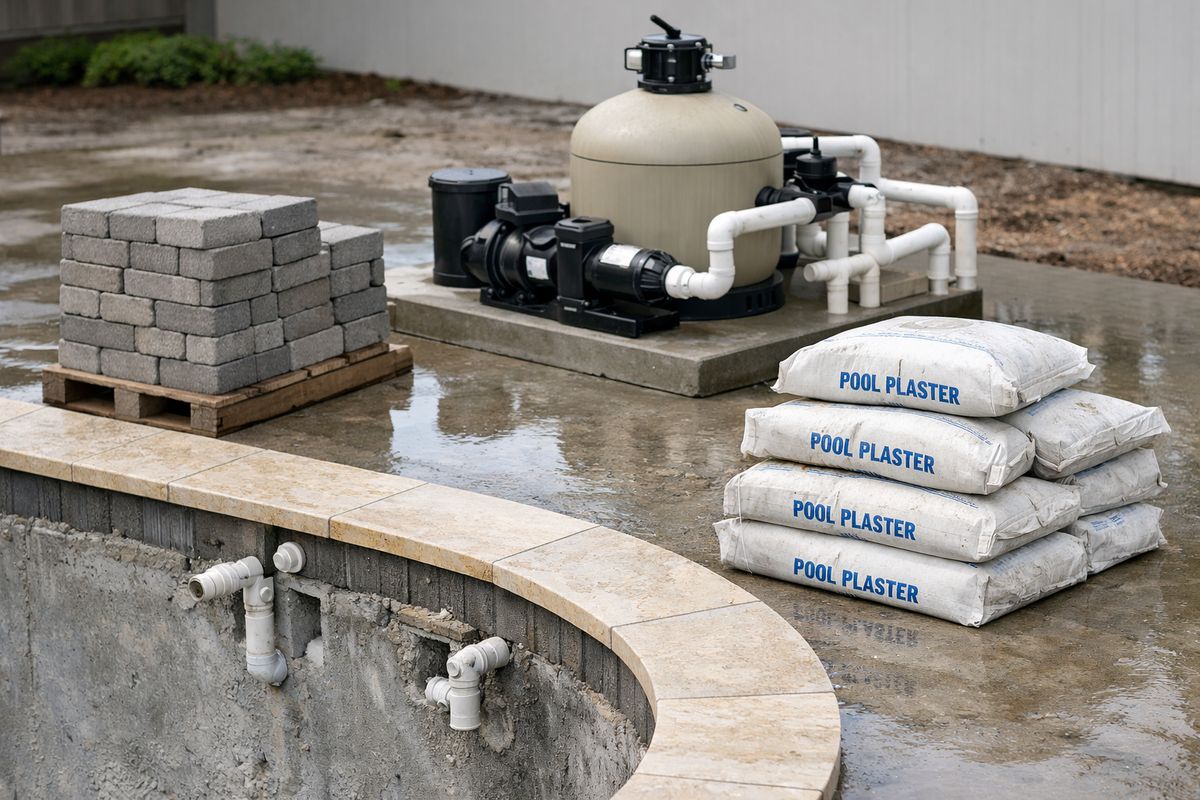
This is where many reviews fall flat. Once the pool is done, most of the construction work is buried, sealed, or hidden behind a clean finish. So a happy customer often comments on color, shape, and first impressions, not the stuff that determines how the project holds up.
Build quality shows up in shell work, plumbing runs, equipment placement, deck prep, coping installation, and drainage around the pool. If those pieces are done well, the whole project feels solid months later. If they’re rushed, the problems usually creep in after the excitement wears off.
What Materials Reviews Should Name
A useful review names things. Plaster or pebble finish. Travertine, pavers, brushed concrete, or another deck surface. Pump and filter brand. Heater model. Screen or enclosure material if there is one.
Specifics make a review testable. Without them, “high quality” is just a mood. Material details also help you compare bids fairly, especially when two builders look close on paper but are not close at all once the components are spelled out.
How Build Quality Shows Up Months Later
The most honest review often comes after one Gainesville rainy season.
That’s when you start to see whether water drains away from the deck or puddles near the house. It’s when settling, hairline cracks, coping movement, or finish wear begin to show. It’s also when equipment performance becomes real, not theoretical. If you want to know what ownership feels like after handover, look for feedback written months later, not the week the hose is still coiled in the corner.
Permits, Inspections, and Gainesville-Specific Hurdles
Generic reviews from across Florida can blur together, but Gainesville has its own rhythm. Permits, inspections, HOA approvals, utility checks, weather interruptions, and backyard access all shape the job.
That matters because a builder can earn glowing praise in a simpler market and still struggle locally. A schedule that works on a wide open lot with easy access may fall apart on a tighter property with drainage concerns and stricter review steps. And once summer storms start rolling in, even a solid plan can slow down.
If you want a clearer sense of where time actually goes, check how long a build usually takes once real-world delays hit. The answer is rarely as tidy as the sales pitch.
Why Gainesville Conditions Change the Whole Review
Gainesville lots can be forgiving in one spot and tricky in another. Sandy soil, heavy rain, heat, and runoff patterns can shift the whole build.
That’s especially true in neighborhoods where lot shape, mature landscaping, or HOA expectations tighten the margin for error. A project near Haile Plantation or Tioga can look straightforward on a map and still become tricky once equipment access, drainage, and layout limitations come into play. A builder’s ability to adapt matters more here than a generic reputation for speed.
How to Tell if a Review Reflects a Local Build
Look for local clues. Mentions of permit timing, rain delays, HOA paperwork, drainage fixes, enclosure coordination, or neighborhood-specific constraints are useful signs.
Reviews with that kind of detail usually come from someone who actually went through a comparable project. Broad regional praise is not worthless, but it is less predictive. You want feedback that sounds like your yard, not just your state.
Communication and Project Management
Communication is one of the biggest reasons people love or hate a builder. Not because every delay can be avoided, but because silence makes every delay feel worse.
Good project management means you know what is happening, who is coming next, what changed, and why. Bad project management means you spend weeks guessing, chasing updates, and hearing “soon” without dates. Reviews often compress that whole experience into one line, which hides a lot.
What “Good Communication” Should Actually Mean
Good communication is measurable. You get updates before you have to ask. Questions get answered clearly. Delays are explained with real reasons, not vague reassurance. Change orders are documented before the work moves ahead.
That’s what the phrase should mean. Not just “nice people.” Not just “someone picked up the phone once.” If a review praises communication, look for proof inside the review.
The Silence Gap After You Sign
This pattern shows up constantly: fast attention during sales, then patchy updates after the deposit clears.
That happens because some companies are built around selling volume, while project communication gets handed off unevenly. If reviews mention a drop-off after signing, pay attention. That complaint usually connects to scheduling confusion, missed expectations, and frustration over change orders later on.
Startup, Handover, and Pool School
The project is not really over when the water goes in. Startup and handover matter because this is when you learn how to run what you just bought.
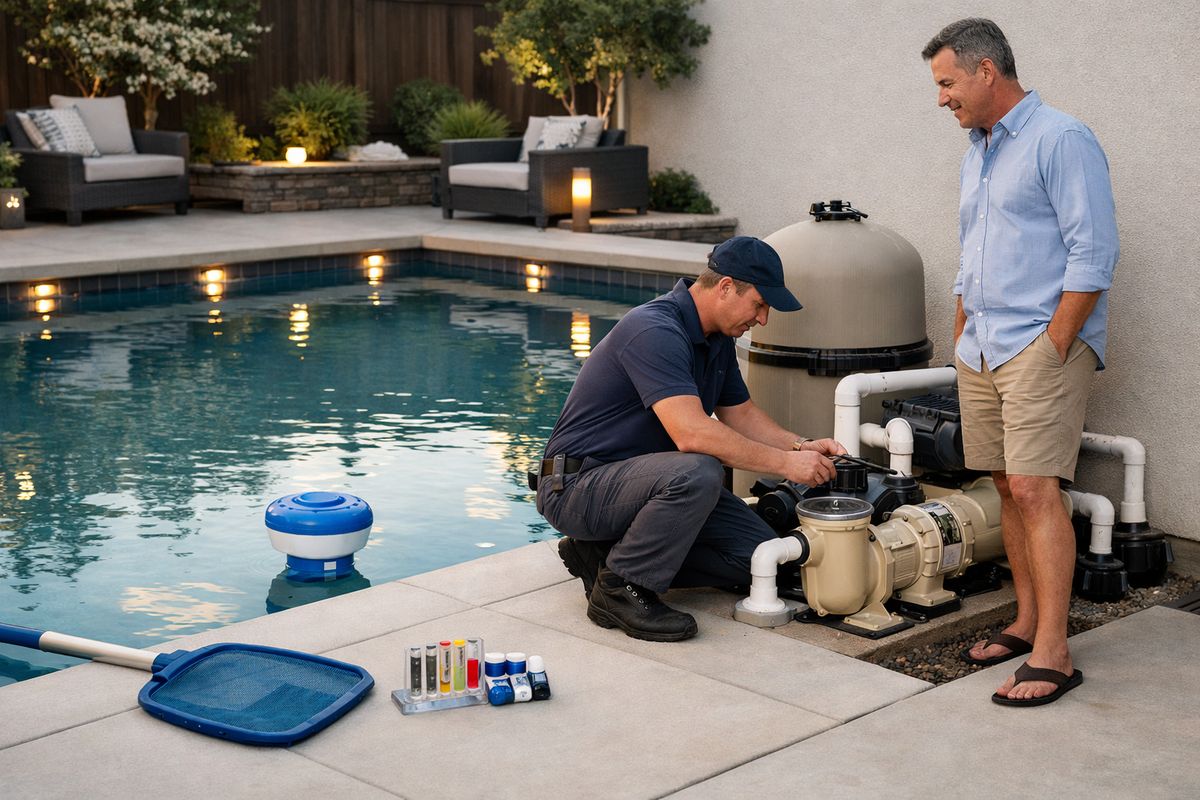
A rushed finish can leave you with expensive equipment and only a five-minute explanation. That’s not enough. You should know how the automation works, how to clean the filter, what normal chemistry looks like, and what needs service versus what just needs an adjustment.
What a Useful Handover Includes
A useful handover is practical. App setup. Timer settings. Pump basics. Filter cleaning. Heater use. Simple water care instructions in plain English.
You should leave that conversation knowing how not to mess up the first month of ownership. If that part feels fuzzy, maintenance gets frustrating fast, especially in Florida heat. For the upkeep side, it helps to understand what summer care looks like in Gainesville once the pool is yours.
Where Reviews Often Go Quiet After Completion
Many reviews stop at the reveal. That’s understandable, but it leaves out one of the most telling parts of the relationship.
Punch-list fixes, startup questions, warranty requests, and small corrections often happen after final payment. If a builder stays responsive then, that means something. If communication evaporates, that means more.
Service, Warranty, and Long-Term Support
This is where glossy reviews usually run out of steam. Service after completion is less visible online because people only return to update a review if something goes very right or very wrong.
You should care a lot about this stage. Pools are mechanical systems sitting outdoors in Florida weather. Pumps fail. Automation glitches. Surfaces need evaluation. Small issues need follow-up. The builder that picks up the phone later is often worth more than the builder with the prettiest launch photos.
Warranty Promises vs. Warranty Reality
A long warranty sounds reassuring, but the real question is how usable it is.
Is coverage split between shell, surface, and equipment with different terms? Who handles manufacturer claims? Does the builder coordinate service or point you elsewhere? A warranty that looks generous on paper can still feel useless if every issue turns into finger-pointing. Before signing anything, make sure you understand what to verify with a properly credentialed installer.
What to Look for in Negative Reviews
Not every bad review matters equally. Some are emotional venting. Some are valuable warnings.
The complaints worth your attention involve unresolved leaks, drainage failures, ignored callbacks, repeated missed service promises, or blame shifting between the builder and subcontractors. One angry comment about weather delay is not the same as a pattern of post-build abandonment. Pattern beats drama every time.
Pros and Cons of Relying on Pool Builder Reviews
Reviews are helpful. They just aren’t enough on their own.
Used well, they can save you time and steer you away from obvious problems. Used blindly, they can make two very different builders look equally safe because both have a polished review profile. That’s why reviews work best as a screening tool, not a final decision tool.
Pros: What Reviews Can Tell You Quickly
Reviews are good at revealing repeated patterns. If many comments mention tidy job sites, quick callbacks, good design input, or realistic timelines, that’s useful. If praise keeps landing on the same strengths, you can usually trust that pattern more than any single review.
They’re also helpful for catching personality issues early. If people consistently describe the process as easy, respectful, and organized, that matters. Construction is stressful enough without adding chaos.
Cons: What Reviews Usually Leave Out
Reviews usually leave out drainage corrections, allowance overruns, permit friction, equipment substitutions, and what happened six months later. Those omissions are a big deal.
Price creep is another blind spot. So is aftercare. A builder can earn five stars on reveal day and still be slow with warranty follow-up. Missing details are often more revealing than glowing praise.
Pricing and Value: What Reviews Rarely Explain
Price talk in reviews is almost always thin. “Fair price” and “worth it” are not useful if you’re comparing proposals with different materials, different equipment, and different site-work assumptions.
Real value comes from the full scope. That includes shell and finish, decking, equipment quality, drainage work, startup support, and warranty responsiveness. A cheap quote that grows through allowances and upgrades is not a deal. It’s just delayed sticker shock.
Why the Lowest Quote Often Costs More Later
Low quotes often get padded later through decking upgrades, equipment changes, site-work adjustments, and allowances that were unrealistically low from the start.
That’s why line-by-line comparison matters. If you want a deeper look at where budgets expand, especially once excavation and finish choices enter the picture, see which parts of a build tend to raise the price fastest. The expensive surprises are usually not random. They were just hidden early.
How to Compare Value Across Builders
Compare scope before price. Then compare materials, warranty terms, included features, and post-install support.
A builder with a higher quote may include better equipment, stronger handover, and more realistic site prep assumptions. That is real value. Comparing only the top-line number is like comparing groceries by total receipt without checking whether one cart includes actual food and the other is mostly sparkling water and snacks.
Who Pool Builder Reviews Help Most, and Who Should Be Careful
Reviews help most when your project is fairly straightforward. Standard pool, workable lot, limited custom features, no unusual drainage issues. In that situation, public feedback can give you a decent sense of consistency.
But once your yard gets more complicated, reviews lose predictive power. A builder can be great at simple installs and shaky on custom layouts, tight access, or demanding site conditions. That difference rarely shows up in the star rating.
Best for Straightforward Projects
If your lot is flat, access is easy, and your design is simple, reviews can be a solid filter. You can learn a lot from repeated comments on timing, cleanup, responsiveness, and finish quality.
Simple projects leave a cleaner review trail because there are fewer variables muddying the experience. In those cases, patterns are more reliable.
Be More Careful With Complex Yards or Custom Builds
If your yard has slope, drainage concerns, premium features, tight setbacks, or strict HOA review, be more skeptical of broad praise.
Custom work needs deeper homework. You need site-specific answers, detailed estimates, and examples that resemble your project. A builder who shines on cookie-cutter installs may struggle when the job gets less forgiving.
Final Verdict: How to Use Pool Builder Reviews the Right Way
Pool builder reviews are useful, but only as a starting point. That’s the right way to think about them in Gainesville.
Trust detailed local reviews more than high averages. Look for specifics, not cheerleading. Pay extra attention to comments about drainage, delays, communication after signing, and support after completion. Then do one smart thing before you put too much weight on any review: compare three local review patterns against one real on-site quote for your yard. That single step will tell you more than another hour of scrolling.