Pool Maintenance in Gainesville: A Hot-Weather Care Guide
July 9, 2026
How to Maintain a Pool Without the Constant Guesswork
September 3, 2026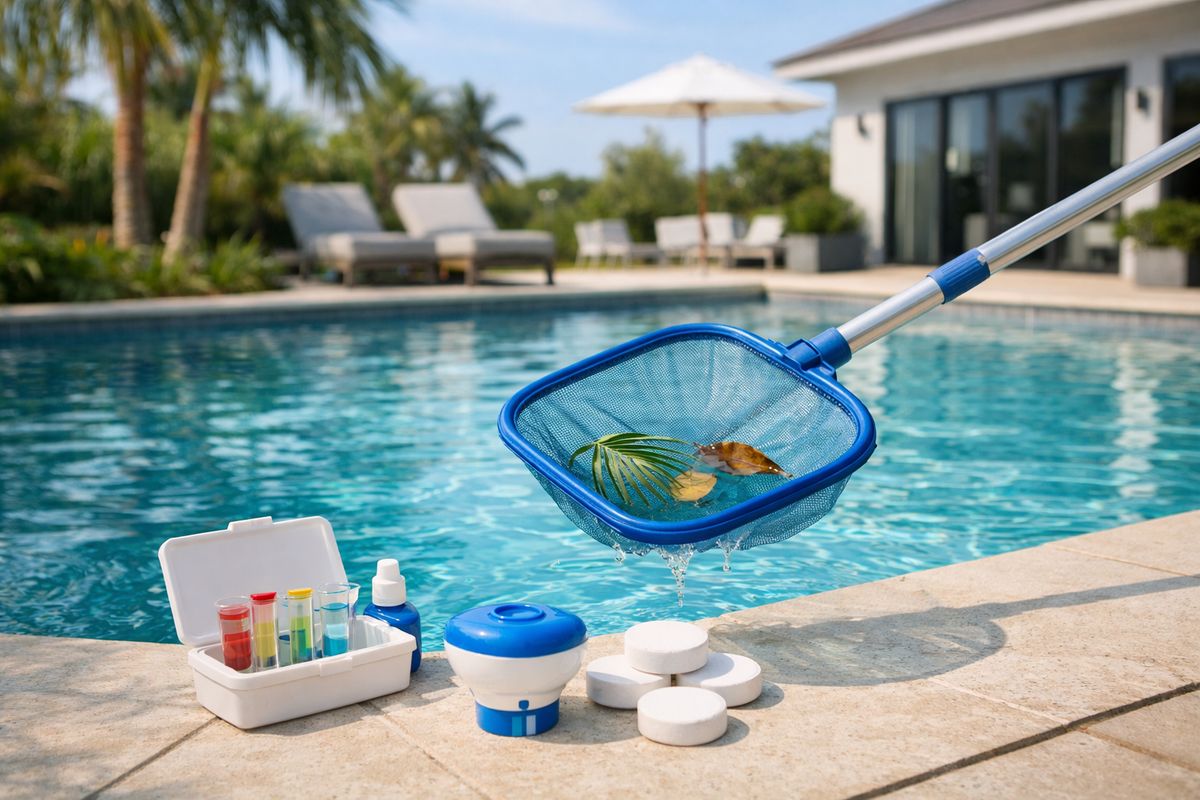
Florida pool care is different the moment a Gainesville summer really settles in. You step outside late in July, the air already feels wet, and by noon your pool can feel warmer than expected. That matters, because warm water, fast storms, pollen, and a long swim season can throw off pool chemistry in a hurry.
What Changes About Florida Pool Care in North Florida Heat
In North Florida, pool care is not just about keeping the water pretty. It is about staying ahead of conditions that change fast. Gainesville heat warms the water quickly, afternoon storms dilute chemicals, and pollen and yard debris keep dropping into the pool even when it looked fine the day before.
Here’s the thing: Florida pool care changes in North Florida heat because the pool is under more stress for more months of the year. Think of it like trying to keep a kitchen clean while somebody keeps cooking in it all day. The job is not harder because any one mess is huge. It is harder because the mess keeps resetting.
Why Gainesville Pools Need a Different Routine Than Pools in Milder Climates
A pool in Gainesville does not behave like a pool in a cooler, drier place. North Florida heat changes pool chemistry fast. That is the direct truth, and once you understand that, a lot of summer pool problems start making sense.
Hot afternoons, heavy humidity, surprise rain, oak pollen, pine straw, and bits of leaves all work together to push the water out of balance. Instead of checking things once in a while and assuming all is well, you need a routine that matches how quickly local conditions shift.
Warm water speeds up pool problems
Warm water burns through chlorine faster. Chlorine is your sanitizer, the part that keeps the water clean and algae from getting comfortable. When the water temperature climbs, chlorine gets used up more quickly, and algae gets a friendlier place to grow.
That is why a pool can look clear on Monday and dull by Tuesday evening. Heat speeds up the whole process. Even if nothing looks obviously wrong, warm water can set the stage for cloudy water, slippery steps, and that faint not-quite-fresh look that shows up before a bigger problem.
Rain, debris, and pollen keep resetting the water
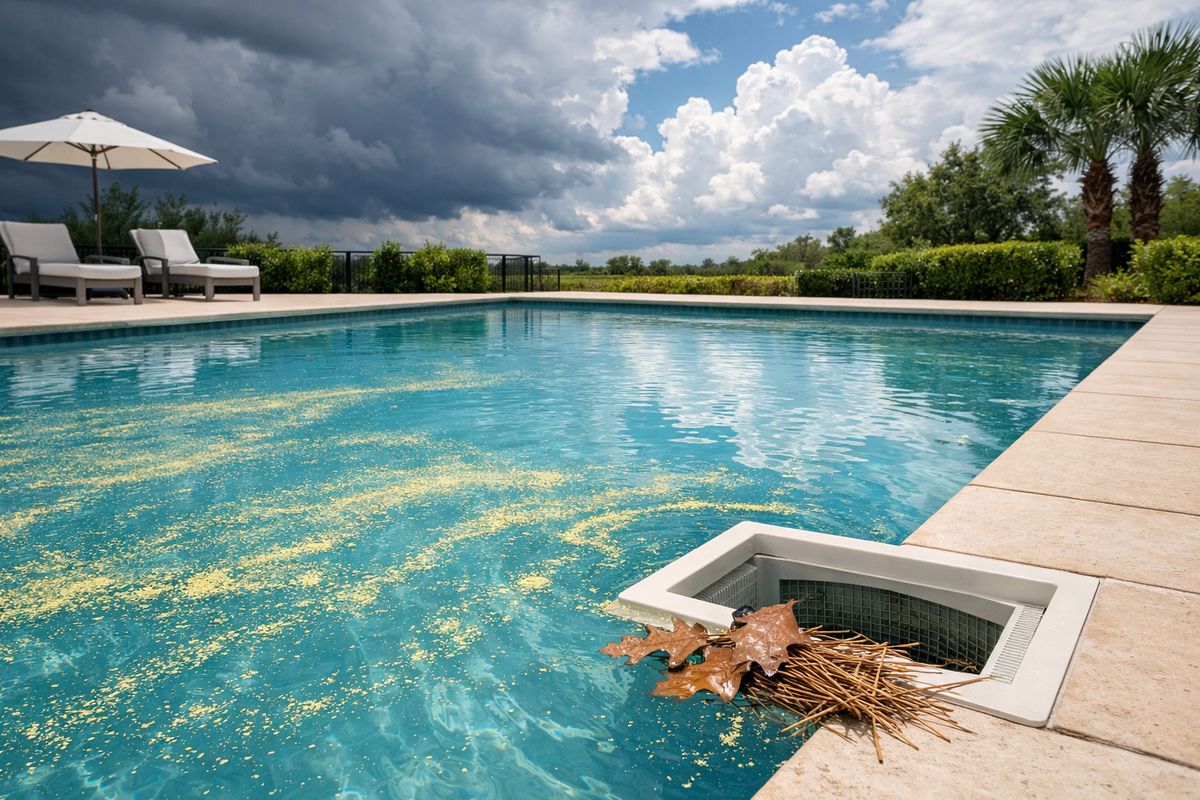
Summer rain changes more than the water level. It can dilute chemicals, wash dirt into the pool, and leave behind debris that clogs baskets and slows circulation. In Gainesville, one heavy storm after a sticky afternoon can do more damage to water balance than a full week of calm weather.
Spring brings its own issue: pollen. That yellow-green dust can coat the surface, collect in corners, and clog skimmers faster than most homeowners expect. Add in leaves, acorns, and yard debris, and your pool is constantly getting a fresh layer of stuff you did not ask for.
The Pool Care Basics That Matter Most When It’s Hot
When it is hot, a few habits do most of the heavy lifting. You do not need a giant maintenance plan. You need to stay on top of the basics that stop small changes from turning into green water and stressed equipment.
Keep chlorine and pH from drifting
Start with chlorine and pH. If those are off, almost everything else gets harder. pH is simply how acidic or basic the water is, and when it drifts too high or too low, chlorine does not work the way it should.
Heat and rain can push both out of range quickly. That is why Florida pool care often comes down to quick, regular testing and small corrections. A slight adjustment now is much easier than a full cleanup later.
Run the pump long enough to keep water moving
Still water is easier for algae to take over. Moving water filters better, spreads chemicals more evenly, and helps the whole pool stay cleaner. In summer, that usually means longer pump runs than you would need in cooler months.
After storms, heavy swimming, or cloudy-water days, circulation matters even more. If the water has been stirred up or diluted, the pump needs time to help the pool recover. The catch is that many pool problems look like chemistry issues when they are partly circulation issues.
Brush, skim, and empty baskets before small messes turn into big ones
Basic cleaning goes a long way. Skimming leaves and bugs off the surface, brushing walls and steps, and emptying skimmer and pump baskets keep the pool from getting bogged down with debris.
It is the same logic as wiping a kitchen counter before grime sticks. If you wait too long, the cleanup gets bigger, the filter works harder, and stains or algae get a better foothold.
A Simple Summer Pool Care Routine for Gainesville Homeowners
The best routine is one you will actually keep. In the hottest stretch of summer, your pool needs short check-ins more than occasional marathon cleanups.
What to check two or three times a week
Test chlorine and pH two or three times a week during peak heat. Give the surface a quick skim, then look at the water level and clarity. You are not doing a full inspection every time. You are just catching the early signs of drift before the water turns cloudy or green.
A thirty-second glance matters more than it sounds. If the water suddenly looks dull, the return flow seems weak, or the level has dropped more than expected, you have your warning sign.
What to do after a heavy afternoon storm
After a big storm, treat the pool like it just got reset. Test the water, empty baskets, remove leaves and debris, and pay close attention to chlorine. Rain alone does not ruin a pool, but storm runoff and diluted sanitizer can push it in the wrong direction fast.
Picture one of those late-day storms rolling through after a hot University Avenue afternoon. The pool may look fine from the patio, but underneath, the chemistry can be off just enough to start trouble.
What to handle weekly
Once a week, brush the walls and steps, vacuum the pool or run your cleaner, check filter pressure, and clear around the skimmer and pump area. That weekly reset keeps little problems from stacking up.
This is also a good time to notice patterns. If the filter pressure rises quickly every week, or one shady corner keeps collecting debris, your pool is telling you where the workload is building.
The Most Common Hot-Weather Pool Problems and How to Fix Them
Most summer pool problems are not mysterious. They usually come from one of a few causes, and the fix is often straightforward if you catch it early.
Cloudy water
Cloudy water usually points to poor filtration, low sanitizer, storm runoff, or heavy use. Start by testing chlorine and pH, then check that the pump is running long enough and the filter is not clogged.
If the pool had a busy weekend or took a storm hit, the water may just need better circulation, fresh cleaning, and corrected chemistry. Clear water is rarely about one magic product. It is usually about getting the basics back in line.
Algae starting on walls or steps
Algae often shows up first as slippery spots, dull patches, or a little green tint in shady corners and on steps. In hot weather, that can spread quickly.
Brush the affected areas right away, correct the chlorine level, and keep the water moving. Early algae is much easier to stop than a full bloom. Wait a few days, and you turn a quick fix into a bigger cleanup.
Chlorine disappearing too fast
Strong sun, warm water, rain, and heavy use can make chlorine vanish faster than expected. If you keep adding chlorine and it never seems to hold, check your stabilizer level. Stabilizer is the ingredient that helps chlorine last longer in sunlight.
Without enough stabilizer, the sun can burn through chlorine fast. With too much, chlorine can become less effective. This is one reason quick testing beats guessing every time.
The pool level keeps changing
Some water loss in summer is normal. Heat and evaporation can lower the level after a stretch of hot days, especially with lots of splashing.
But if the level keeps dropping faster than that, or you notice soggy spots near equipment or plumbing, pay closer attention. Normal evaporation is gradual. A leak tends to keep showing up even when the weather changes.
How Heat Affects Pool Equipment
Florida pool care is not just water chemistry. Your equipment takes a beating in summer too, mostly because it runs longer and handles more debris.
Pumps and filters work harder in summer
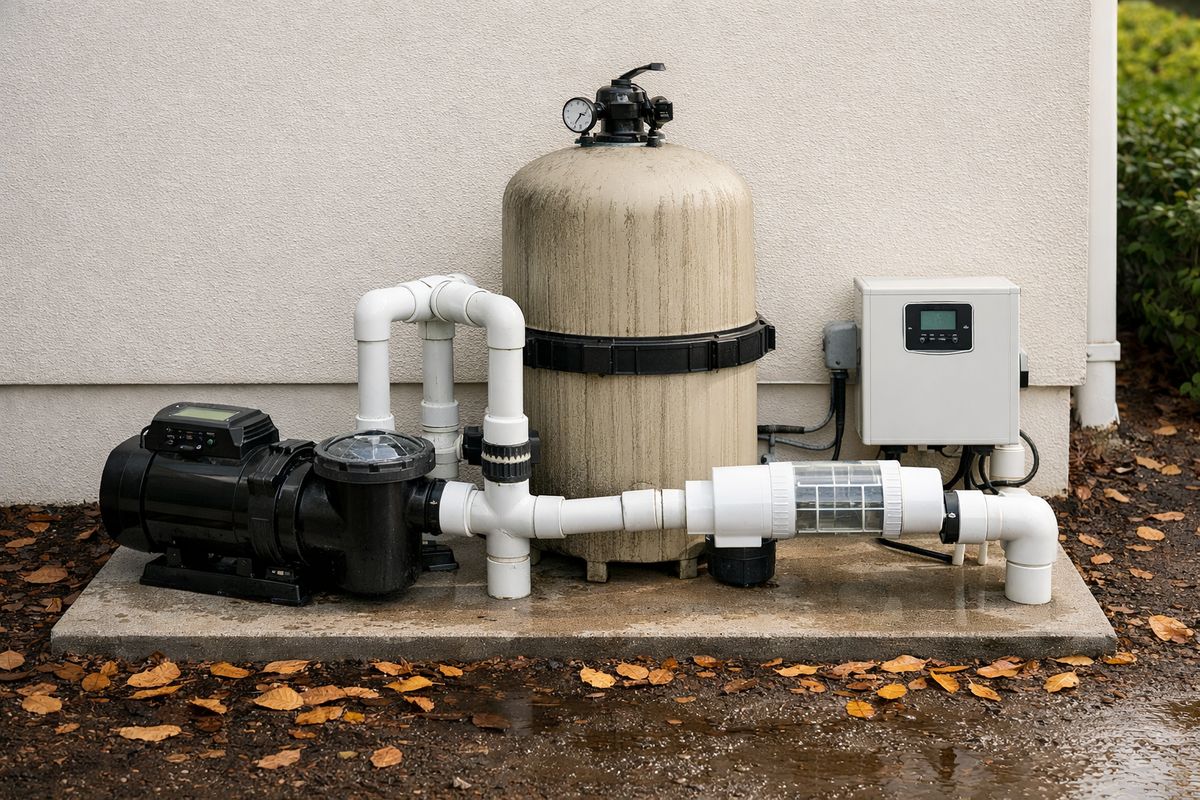
Pumps and filters have more to do when the pool is warm, busy, and full of storm debris. If baskets clog or the filter gets dirty, circulation drops and water quality follows.
Watch for weak return flow, unusual pump noise, or rising filter pressure. Those are the practical signs that something is struggling, even before the water looks bad.
Salt systems, heaters, and automation still need checks
Salt systems can drift out of balance during hot weather, especially after rain and heavy use. Heaters do not get a free pass either, because poor chemistry can damage internal parts over time.
Timers and automation settings may also need seasonal changes. A schedule that worked in April may not be enough in August.
When DIY Pool Care Works and When to Call for Help
A lot of pool care is perfectly manageable at home. Skimming, testing, brushing, emptying baskets, and small chemical adjustments are good DIY jobs when the water is only slightly off.
The line usually shows up when the same problem keeps coming back. If algae returns again and again, the water stays green, equipment is leaking, surfaces look damaged, or chemistry refuses to stabilize, it is time to bring in a pro. That is not giving up. It is often the cheaper move.
Quick Florida Pool Care Questions Homeowners Ask
How often should you test a pool in Florida heat?
In Gainesville summer weather, two or three times a week is a smart baseline for chlorine and pH. Waiting a full week is often too long once the water gets warm and storms start rolling through.
How long should you run a pool pump in summer?
A practical range is often around 8 to 12 hours a day, depending on water temperature, swimmer use, debris, and recent storms. Hotter, busier weeks usually need longer run times.
Does rain ruin pool chemistry?
Not by itself. The catch is that rain can dilute chemicals and bring in dirt, pollen, and debris, which is what pushes the water out of balance.
What’s the one thing to try first if the pool starts looking off?
Test chlorine and pH right away. That one quick check solves a surprising number of pool mysteries, and it gives you a clear place to start before the problem grows.