
How to Prevent Pool Algae in Florida’s Humid Heat
July 9, 2026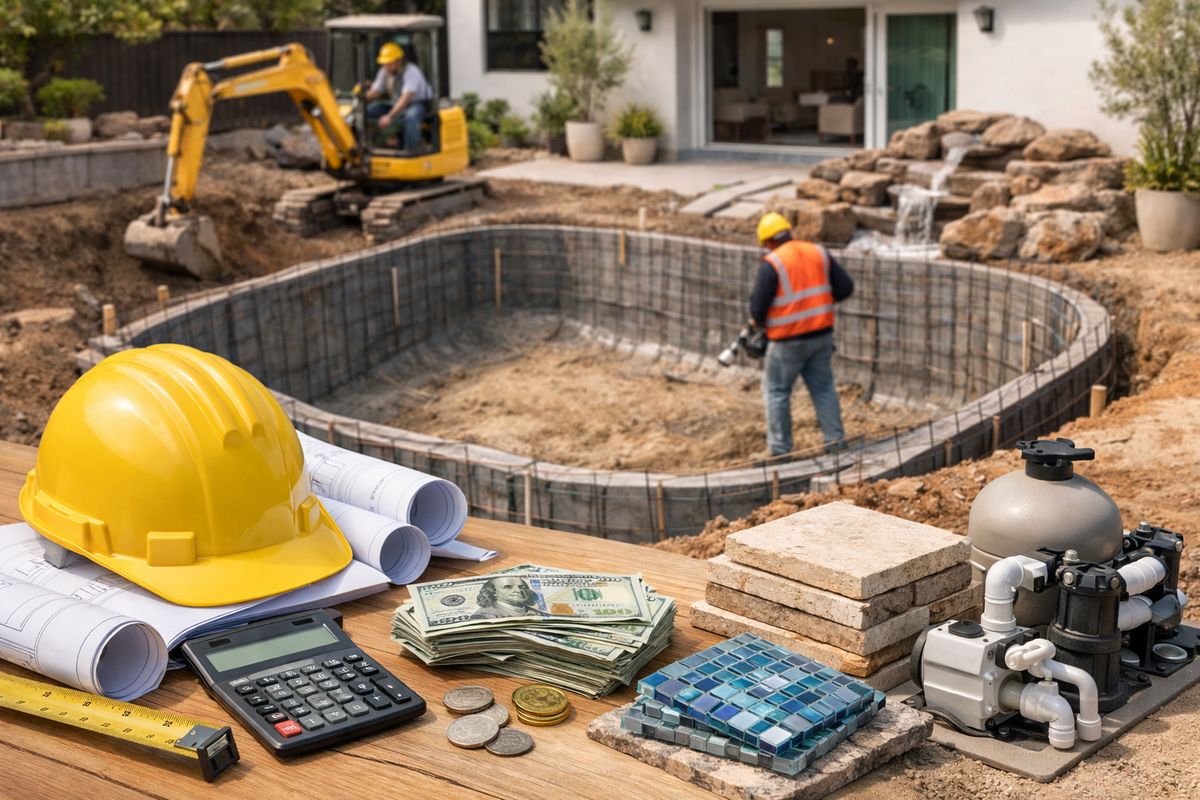
Pool construction cost means the full price of getting a usable, code-compliant pool in your backyard, not just the hole and the shell. That difference catches a lot of Gainesville homeowners off guard, especially when a quote looks simple on paper and turns into a much bigger number once the yard, permits, and add-ons enter the picture.
What “Pool Construction Cost” Really Means in Gainesville
In plain English, pool construction cost is the total cost of the project from excavation to final inspection. It includes design, materials, labor, equipment, permits, safety barriers, electrical and plumbing work, decking, and all the little pieces that make the pool legal and usable.
Here’s the thing: the fastest price jumps usually do not come from the basic idea of “put a pool here.” They come from three places. First, site conditions, like tight access, drainage problems, or a yard full of roots. Second, design choices, like custom shapes, added depth, or a spa. Third, extras that feel small during planning, like upgraded tile, more deck space, or automation.
That matters in Gainesville because a backyard can look easy and still be expensive to prep. A lot with mature trees near Haile Plantation or a yard with drainage quirks after a summer storm can change the job quickly. A pool build is a lot like a kitchen remodel in that way. Cabinets are only part of the price. Moving plumbing and opening walls is where budgets start to move.
The Base Price Starts With the Type of Pool You Choose
The first big pricing fork is the type of pool. Fiberglass, concrete or gunite, and vinyl liner are not minor variations of the same product. They are different construction paths with different upfront costs, installation timelines, and maintenance demands over time.
Fiberglass Pools
Fiberglass pools usually have the most predictable installation cost because the shell is built off-site and delivered as one piece. That makes the build faster and often cleaner. Less on-site forming and finishing usually means fewer chances for labor costs to drift.
The catch is that fiberglass is only predictable when the yard cooperates. If access is tight, a crane may be needed to lift the shell into place. Delivery can also push the number up, especially if the route is tricky or the lot has overhead obstacles. Shapes and sizes are also more limited than custom concrete, so if your vision includes unusual curves or a very specific layout, fiberglass can stop feeling simple.
Concrete or Gunite Pools
Concrete, often called gunite or shotcrete depending on the application method, usually gives you the most design freedom. If you want a custom shape, a vanishing edge, an integrated spa, deep end details, or a pool that works around a very specific yard layout, this is often the path.
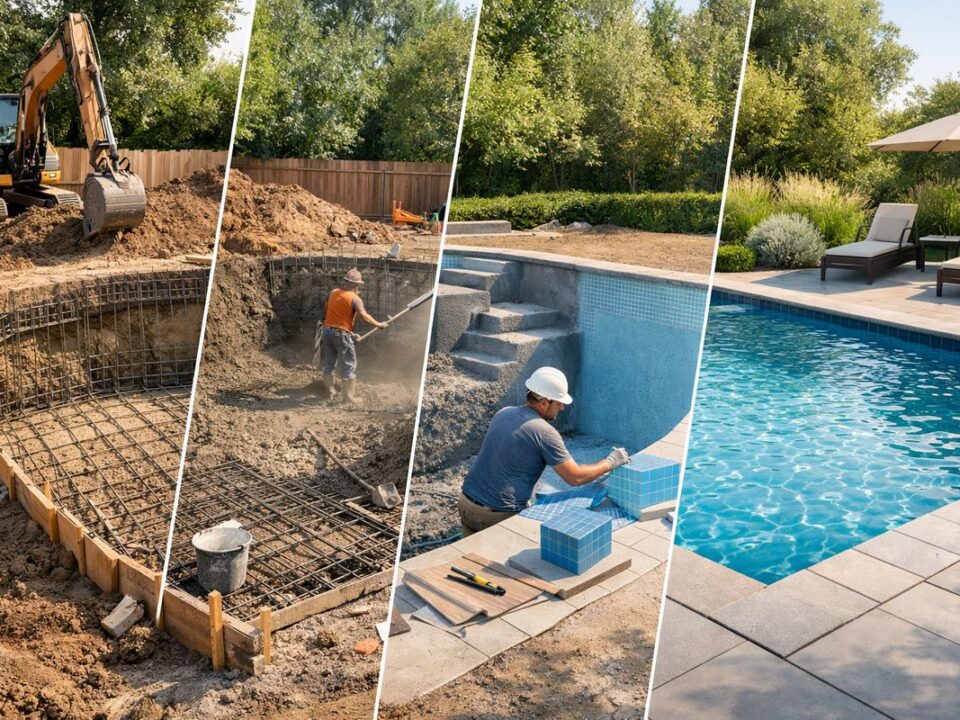
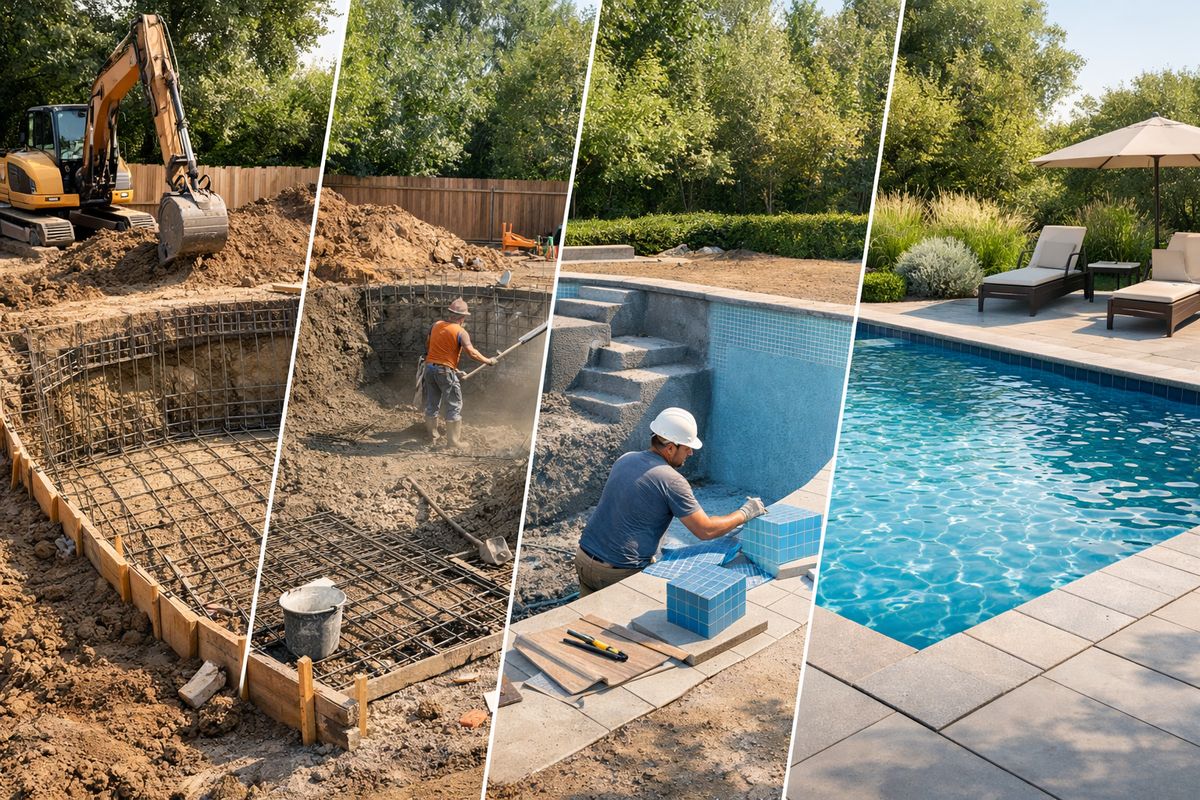
It is also the path with the highest chance of cost growth. More customization means more labor, more material, more finishing work, and a longer schedule. Interior finishes vary a lot in price, and every added detail stacks onto the one before it. If you want to understand how build length affects cost and planning, it helps to see what each stage of a pool project actually involves.
Vinyl Liner Pools
Vinyl liner pools can be a lower-entry option in some markets, though they are less common in some parts of Florida depending on local builders and soil conditions. The upfront number can look attractive because the finish system is different and some builds are simpler.
But lower entry cost is not the whole story. Liners need replacement over time, and that future expense should be part of your comparison. Design flexibility also has limits, and local conditions can affect how practical this option is in your area.
Size, Shape, and Depth Change the Number Faster Than Most People Expect
A bigger pool is not just a little more water. More size means more excavation, more dirt hauled away, more steel or shell material, more plumbing runs, more interior finish, and usually more decking around it. The number rises in layers.
That is why adding a few feet can have an outsized effect on total price. It is similar to adding square footage to a kitchen remodel. You are not only buying floor area, you are buying everything attached to it.
Custom Shapes vs. Simple Rectangles
Simple rectangles and standard layouts are usually easier and faster to build. Straight lines are easier to form, easier to measure, and easier to finish cleanly. They also pair well with standard decking layouts and automatic covers, if that is in the plan.
Curves, freeform outlines, beach entries, and tanning ledges take more labor and more material coordination. Even when the pool does not look dramatically larger, the custom geometry can make the build more expensive because more parts of the job become custom at once.
Deeper Pools, Spas, and Sun Shelves
Depth changes cost fast because excavation gets more involved and structural demands can increase. A pool meant mostly for lounging and play is one budget. A deeper pool for jumping or specific use is another.
Attached spas, baja shelves, benches, and water features push pricing up quickly even if the main pool footprint stays almost the same. A sun shelf looks simple on a design sketch, but it adds plumbing, finish area, and construction detail. An attached spa brings more equipment and more complexity. Little extras are rarely little on the invoice.
Your Yard Can Raise the Price Before the Pool Even Goes In
A lot of homeowners focus on the pool design and miss the site work. But the yard itself can raise the price before a shell ever arrives or concrete is ever sprayed.
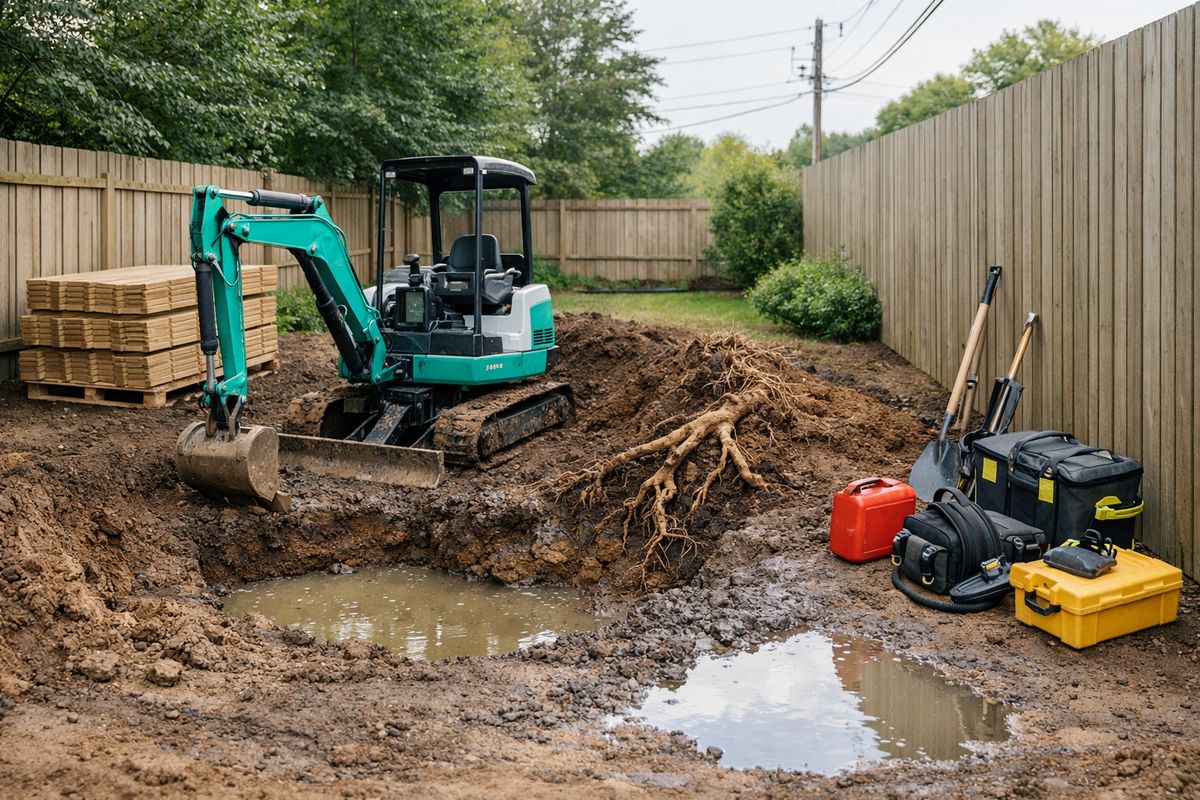
In Gainesville, tree-heavy lots are common, and that often means roots, shade planning, and cleanup costs. Drainage matters too, especially in Florida rain. A backyard can look flat and still need real prep to handle runoff and construction access.
Access for Equipment and Materials
If equipment cannot get to the pool site easily, labor time goes up. Narrow side yards, fences, septic layouts, overhead lines, and limited turning room can force smaller machines, extra hand work, or special lifting equipment.
That adds time, and time is money. A smooth, open yard is cheaper to work in than one that requires everything to be carried, maneuvered, or staged carefully.
Soil, Water Table, and Drainage Issues
Florida conditions can be tough on excavation. Unstable soil, a high water table, or poor drainage can require extra engineering and dewatering, which simply means removing groundwater so the hole can be built safely.
If water keeps entering the excavation, the build gets more complicated fast. Extra pumping, structural adjustments, and drainage solutions can all land on the final cost. This is one reason low teaser quotes can fall apart once digging starts.
Demolition, Grading, and Utility Relocation
Existing patios, old concrete, trees, irrigation lines, and buried utilities all affect prep cost. If your yard needs reshaping to create a level build area or better drainage, grading becomes part of the project too.
Even simple things, like moving a line for irrigation or relocating utility connections, can create change orders. Before hiring anyone, it helps to know what to verify in a properly qualified builder, because site surprises are where experience really shows.
Permits, Codes, and Safety Rules Add Real Cost in Florida
Permits are not paperwork fluff. In Gainesville and surrounding areas, local approvals, engineering requirements, inspections, and code compliance all add real time and money.
If the project triggers drainage changes, barrier upgrades, or specific engineering review, those costs belong in the real budget from the start.
Permit Fees and Plan Reviews
Permit fees generally cover plan review, inspections, and local approval steps. Depending on the project, engineering drawings may be required, and revisions can add cost if the plan changes midstream.
This is one reason quotes can vary. One builder may include more engineering and permitting detail upfront, while another may leave room for later add-ons.
Fencing, Alarms, and Code-Required Barriers
Florida pool safety rules often require barriers, self-latching gates, alarms, or other protective features. These are not decorative upgrades. In many cases, they are mandatory parts of the project.
That matters because homeowners sometimes budget for the pool itself and forget the safety envelope around it. But your pool does not pass inspection without the right protective measures in place.
HOA and Neighborhood Restrictions
HOA approvals can add both time and redesign cost. Material rules, screening requirements, setbacks, and visibility standards may force changes to layout or finishes.
Even if your contractor is ready to start, neighborhood approvals can hold the schedule in place. On a hot Gainesville afternoon, waiting on committee paperwork is not glamorous, but it affects cost all the same.
Finishes and Features Are Where Budgets Jump Fast
Upgrades, not the hole in the ground, are where many pool budgets get away from you. That is the blunt truth.
A basic pool can turn into a premium outdoor living project in one design meeting if every attractive feature makes the list.
Interior Finish, Tile, and Coping
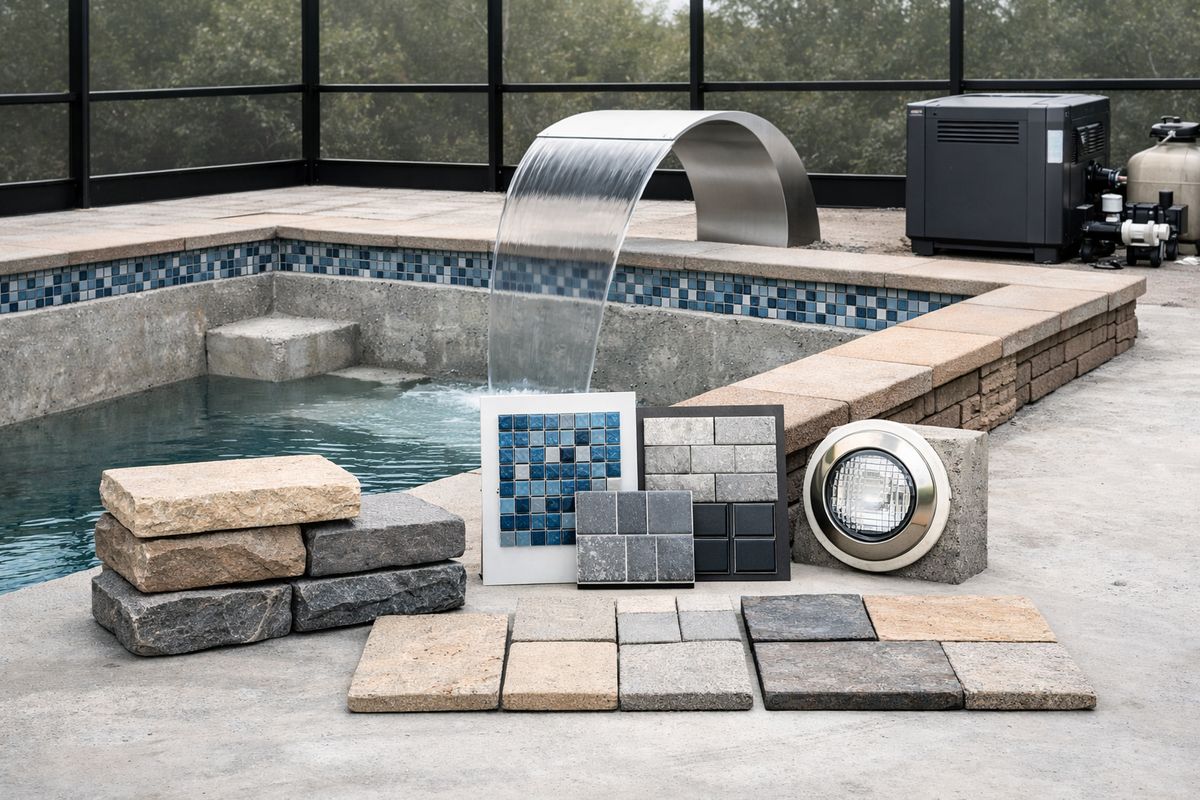
Interior finish choices shape both appearance and price. Basic plaster is one level. Pebble finishes, polished aggregates, full tile interiors, and decorative tile bands move the number upward.
Coping, the finished edge around the pool, does the same. Poured concrete coping is usually simpler than premium stone or detailed edge work. The pool may be the star, but the finish package is often what changes the total.
Decking and Outdoor Living Space
Decking is one of the biggest budget creepers in pool construction. A homeowner starts with “enough space for chairs,” then adds a dining area, then a grill zone, then a path, then shade.
Concrete is usually the simpler price path. Pavers, travertine, and larger outdoor living features cost more, especially as square footage grows. If you are already picturing furniture placement and hangout zones, it helps to browse backyard layouts that pair well with a pool before the design locks in.
Heaters, Automation, Lighting, and Salt Systems
Equipment upgrades add comfort and convenience, but they are real upgrades, not throw-ins. A heater extends your swim season. Automation means app-based controls for lights, pumps, temperature, and features. Salt systems change how chlorine is generated and can make day-to-day care feel easier.
Each of these can be worth it. But stacked together, they raise the total quickly, along with electrical and pad requirements.
Water Features and Screen Enclosures
Waterfalls, bubblers, laminars, fire bowls, and raised spillways all look great because they add movement and sound. They also add plumbing, finish detail, and installation labor.
Screen enclosures deserve special mention in Florida. For a lot of homeowners, bug control and easier maintenance are not luxuries. But enclosures can be a major project cost on their own, especially if the structure is large or the design is customized.
Installation and Labor Costs Depend on Timeline and Complexity
Labor is not one flat number. A straightforward job with a clean site and standard design costs less to install than a highly customized build with layered features and multiple trades working around each other.
Longer schedules also carry more exposure to delays. Florida weather, inspection timing, and material availability can all stretch labor and coordination.
Standard Installation vs. Custom Build
A standard installation is usually more efficient because fewer parts need special handling. A custom build with retaining walls, raised bond beams, extensive hardscaping, or integrated landscape work takes more coordination and more time.
That does not make custom work a bad idea. It just means the price reflects the complexity. A backyard that looks effortless in the finished photos often took a lot of effort behind the scenes.
Seasonal Demand and Contractor Scheduling
Busy seasons can affect both pricing and timing. High local demand, longer lead times for materials, and packed schedules can all change your project start date and total cost.
If you want the financing side to feel less vague while comparing options, Swim State Pool Service offers ways to spread the cost of a build over time, including financing through Lyon Financial. Budgeting is easier when the monthly picture is clear before the design wishlist grows.
What Low Quotes Often Leave Out
A low quote is not always a bargain. Sometimes it is just incomplete.
The easiest way to make a pool estimate look cheaper is to leave out the messy, less glamorous parts and deal with them later through allowances or change orders.
Electrical, Plumbing, and Equipment Pad Work
Upgraded electrical service, gas lines for heaters, drainage tie-ins, and the equipment pad itself can all be missing or lightly estimated in a low quote. If your home panel needs work or the heater location requires a long run, the number can jump after the contract is signed.
That is why line-item clarity matters so much. The shell is visible. Utility work is not, until it shows up on the bill.
Cleanup, Repairs, and Landscape Restoration
Once heavy equipment leaves, your yard may need real repair. Sod replacement, irrigation fixes, plant replacement, grading touch-ups, and pressure washing around the work zone all count.
A quote that ends at “pool installed” may still leave you with a torn-up backyard that needs another round of spending before it feels finished.
Startup, Maintenance, and Long-Term Ownership Costs
Build cost is only part of the story. Chemicals, energy use, maintenance visits, resurfacing for some pool types, and liner replacement for vinyl pools all belong in the bigger picture.
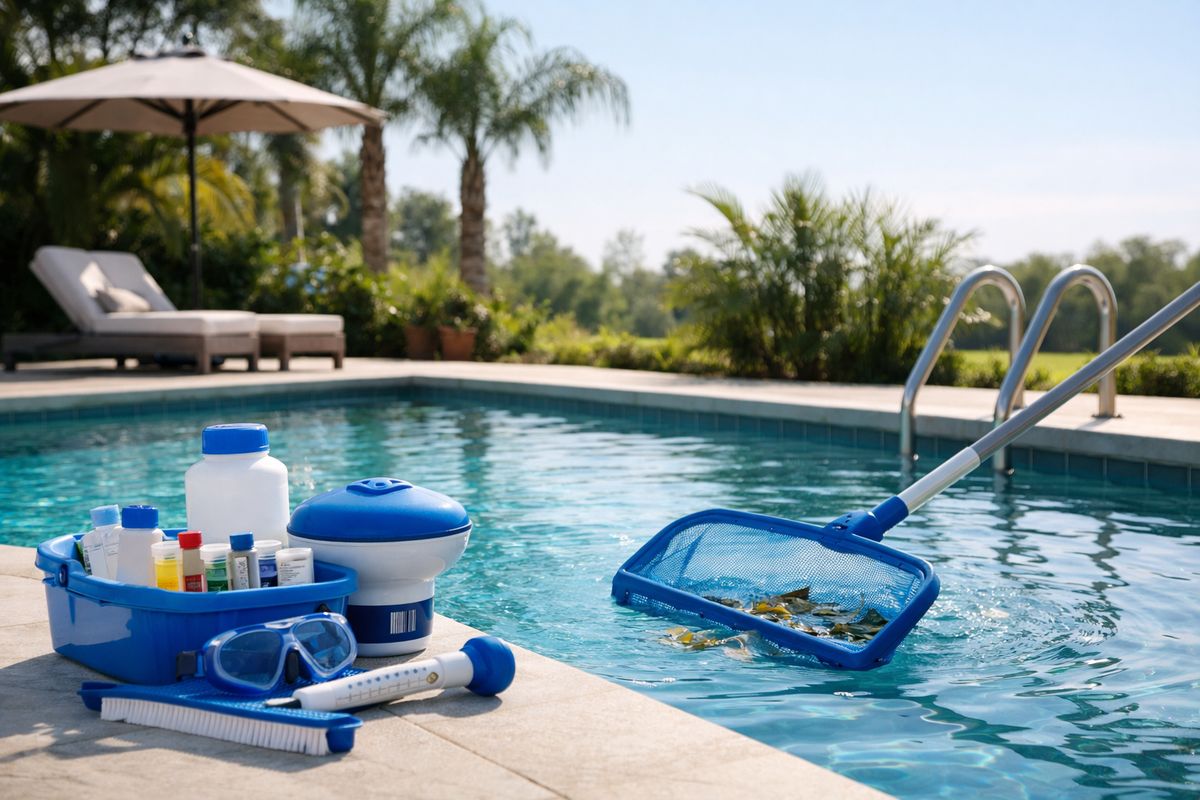
That part is easy to ignore when you are focused on construction, but it affects what the pool actually costs you over the years. If you want a practical look at upkeep in local conditions, read about keeping a pool in shape through Gainesville heat.
How to Get a More Accurate Pool Cost Estimate Before You Commit
You can narrow the number early if you approach the estimate like a real project, not a dream board. The trick is to force detail before emotion takes over.
Ask for a Line-Item Quote
Ask for the estimate broken into excavation, shell, decking, equipment, permits, electrical, plumbing, and upgrades. That shows what is actually driving the total and makes it easier to compare one builder against another.
A single lump-sum number hides too much. A line-item quote tells you where the project is expensive and where it is flexible.
Decide Your Must-Haves Before Shopping Extras
Pick your non-negotiables first. Maybe that is a rectangle for lap swimming, a screened enclosure, or a spa. Once those are clear, everything else becomes easier to judge.
Without that filter, design meetings can turn into death-by-upgrade. A little more tile here, a wider deck there, upgraded lights, nicer coping, one water feature. Suddenly your budget has quietly walked away.
Check What Is Included in Writing
Inclusions and exclusions need to be written down clearly. Look for allowances, change-order terms, cleanup responsibilities, code-related items, and timeline expectations.
This is also where builder reputation matters. A polished rendering is nice, but contract clarity matters more. Before signing, it is worth seeing what homeowners often miss when comparing builder feedback.
Quick Answers About Pool Construction Cost
What usually raises pool construction cost the fastest?
Custom design, difficult site conditions, larger decking areas, attached spas, screen enclosures, and equipment upgrades usually move the number the fastest. In many projects, finishes and features add more surprise cost than the base pool itself.
Is a fiberglass pool cheaper than a concrete pool?
Fiberglass is often more predictable upfront and can install faster, but it has fewer custom shape options. Concrete usually costs more and carries more room for price growth, but it gives you far more design freedom. Over time, maintenance differences matter too.
How much should you budget beyond the pool itself?
Plan for decking, fencing, permits, drainage work, electrical, and yard repair alongside the shell cost, not after. If those items are treated like side notes, your budget will almost always feel too low.
Can a cheaper quote end up costing more later?
Yes. Missing code items, weak allowances, utility surprises, and change orders can turn a low starting quote into a higher final cost. A more detailed estimate is often the safer number, even when it is not the lowest one on day one.
The One Move That Keeps Your Budget From Drifting
If you do one thing before falling in love with finishes, get a line-item estimate based on your actual yard and your actual must-haves. That one move makes pool construction cost feel less like a mystery and more like a decision you can control. On your next contractor meeting, bring a short list of non-negotiables and ask what raises the price fastest in your specific backyard.