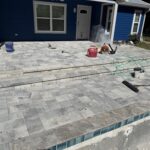
Pool Deck Materials for Florida Heat: What Holds Up
November 4, 2026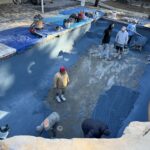
Resurfacing vs. Rebuilding: Is Your Old Pool Worth Saving?
November 11, 2026
Your pool design and your builder’s quote can look like completely different projects once excavation, decking, and safety features enter the picture. When you search for a pool builder in Alachua, FL, compare the complete job, not just the pool shell. The lowest quote is not the best deal when necessary work is missing.
Start with the pool you want and the work your yard needs
Before comparing builders, write down how you want to use your pool and what your finished backyard needs to include. Separate nonnegotiables, such as comfortable entry steps and room to swim, from extras such as a spa or decorative water feature.
Your yard deserves equal attention. A beautiful design is only useful if the pool, equipment, drainage, and construction access fit your property.
Decide between a new pool, a renovation, and a full rebuild
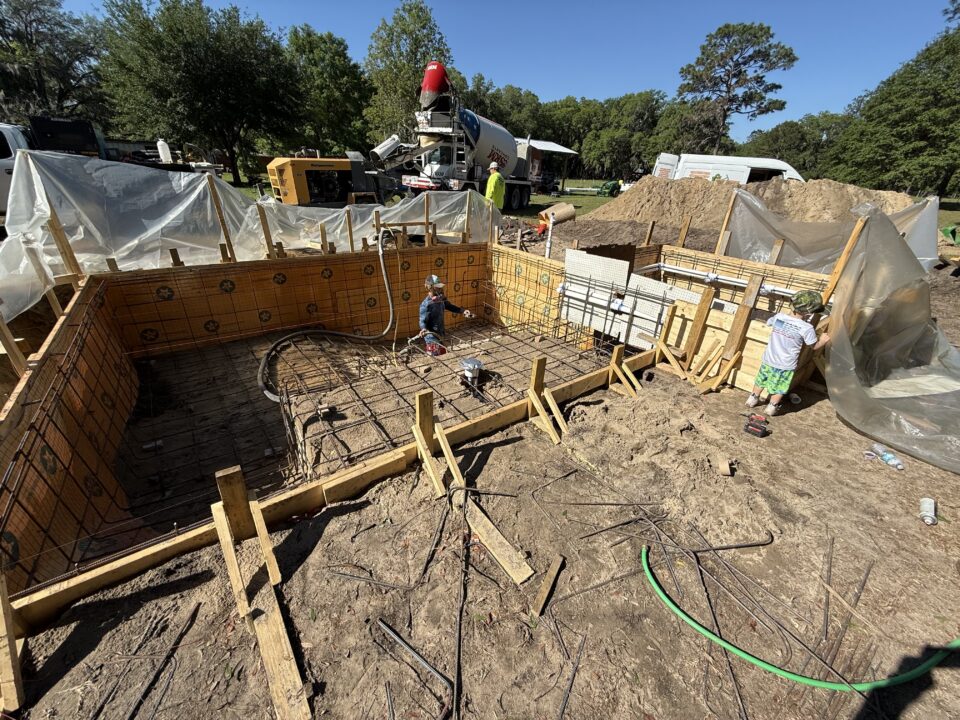
A new inground pool starts with a new location, excavation, structure, plumbing, and equipment. Renovation can mean resurfacing an existing shell, replacing tile and coping, upgrading equipment, or changing parts of the layout. A full rebuild can involve demolition and construction of a replacement pool.
For an older pool, get the shell, plumbing, and electrical system assessed before choosing finishes. Cracks, unexplained water loss, or outdated wiring can change the scope considerably. Start with an assessment of your existing pool rather than assuming a fresh surface will solve every problem.
Match your pool type and layout to your everyday use
Concrete offers flexibility in shape, depth, benches, and integrated features, but requires more construction work on your property. Fiberglass uses a manufactured shell, which limits dimensions and shapes but can shorten the shell-installation stage when delivery and lifting access work.
Vinyl-lined pools, where available, use a replaceable liner over a supporting structure. Compare liner-replacement needs with the future surface or finish work associated with other materials, rather than treating any pool type as permanent and upkeep-free.
Then look beyond shape. A large sun shelf reduces swimming space, deep water limits standing room, and wide steps take up part of the footprint. Choose dimensions around your actual routines during North Florida’s long swim season.
Check your Builder’s license, insurance, and local track record
Verify the contractor through Florida’s Department of Business and Professional Regulation. Check the license classification, active status, qualifying contractor, and business association against your proposal.
The credential must cover the overall project. A pool specialty license for limited work is not the same as authorization to contract directly for a complete pool build. Florida-certified contractors can work statewide, while registered contractors have jurisdictional limits.
Request current liability insurance and applicable workers’ compensation coverage or exemption documentation. Confirm the named business matches your contract, and clarify responsibility for electrical work and any plumbing connections outside the pool contractor’s authorized scope.
Look beyond photos to recent projects and references
Request recent completed projects similar to your proposed pool around Alachua, Gainesville, Newberry, or High Springs. A gallery of elaborate pools does not establish experience with your access constraints, renovation needs, or budget.
Contact references about communication, unexpected charges, schedule changes, inspection corrections, and support after completion. Focus on how problems were resolved. With reviews, repeated complaints about unfinished work or unexplained charges matter more than a star average.
Get your yard, permits, and safety requirements checked early
A narrow side yard can change how excavation equipment reaches your backyard. Limited access may require smaller machinery, temporary fence removal, or additional handling of excavated material. Get those assumptions into the proposal before accepting a firm price.
Your site review should cover utility locations, easements, septic components, drainage, equipment placement, and space for material delivery. Utility marking does not replace checking private irrigation, septic lines, or other privately installed systems.
Around Alachua County, sandy soil over limestone can affect excavation and engineering needs. Your lot still needs an individual assessment, not a regional assumption. Understanding what rock beneath your yard can change helps you evaluate excavation exclusions and contingency planning.
Confirm which building department handles your address
Your mailing address does not establish your permitting jurisdiction. A Gainesville mailing address, for example, does not automatically mean City of Gainesville permitting applies. Confirm whether your property falls under Alachua County or the appropriate city building department.
Your proposal should identify responsibility for plans, engineering, permit applications, fees, inspections, and corrections. HOA approval is separate from a building permit. In planned neighborhoods such as Haile Plantation, confirm architectural-review requirements before finalizing placement, fencing, decking, or an enclosure.
Build required safety features into your design
Covered new residential pools must meet Florida’s pool-safety requirements. Qualifying measures can include specified barriers, approved safety covers, door and window alarms, or qualifying door-latching arrangements, subject to current law and local approval.
Have your builder identify the exact safety measures included in the proposal and explain how the complete design meets applicable requirements. An ordinary pool cover is not automatically an approved safety cover.
Minimum compliance and added protection are different decisions. Four-sided isolation fencing separates the pool from both the house and the rest of the yard, adding a protective boundary. For renovations and rebuilds, confirm which safety upgrades your scope triggers rather than assuming an existing arrangement can remain unchanged.
Choose features before comparing final prices
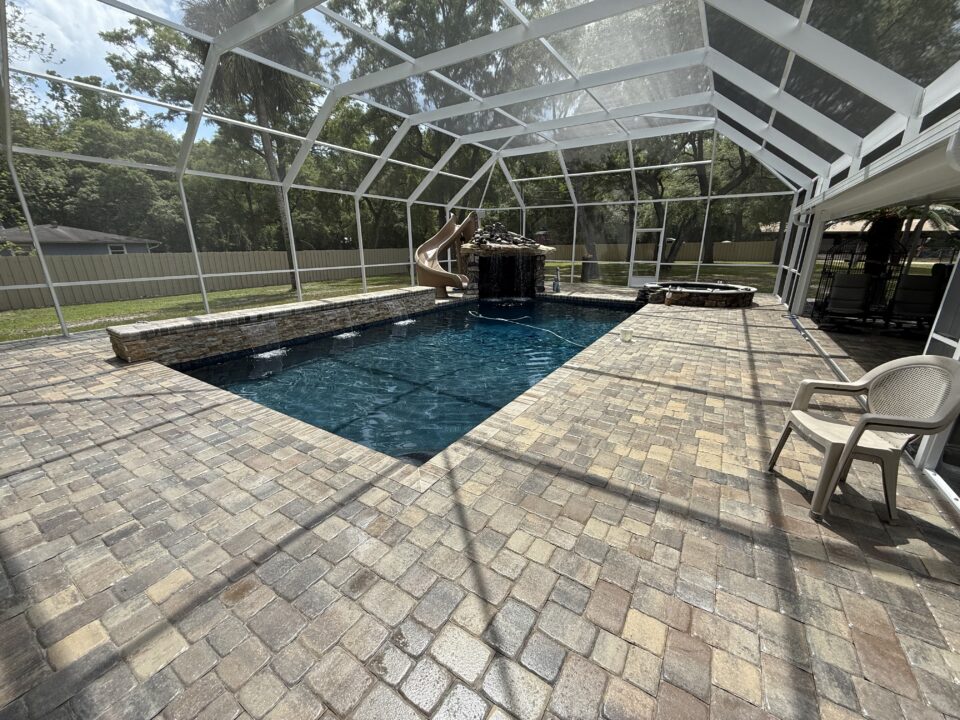
Start with comfortable entry, usable swim space, and enough decking to move around safely. Then consider shade, a spa, heating, lighting, and water features. Every addition can affect more than its purchase price through plumbing, electrical work, structural requirements, or energy use.
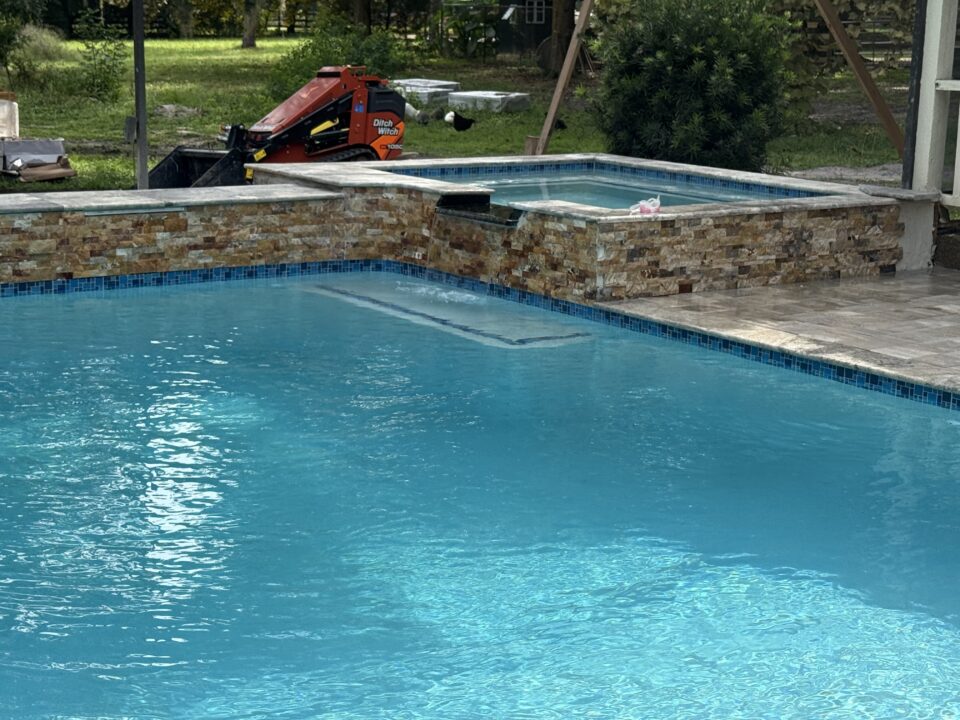
For example, a spa adds equipment and controls, while a water feature can require additional plumbing or pumping capacity. A heater can extend comfortable swimming beyond the hottest months, but the running cost depends on your temperature target and use.
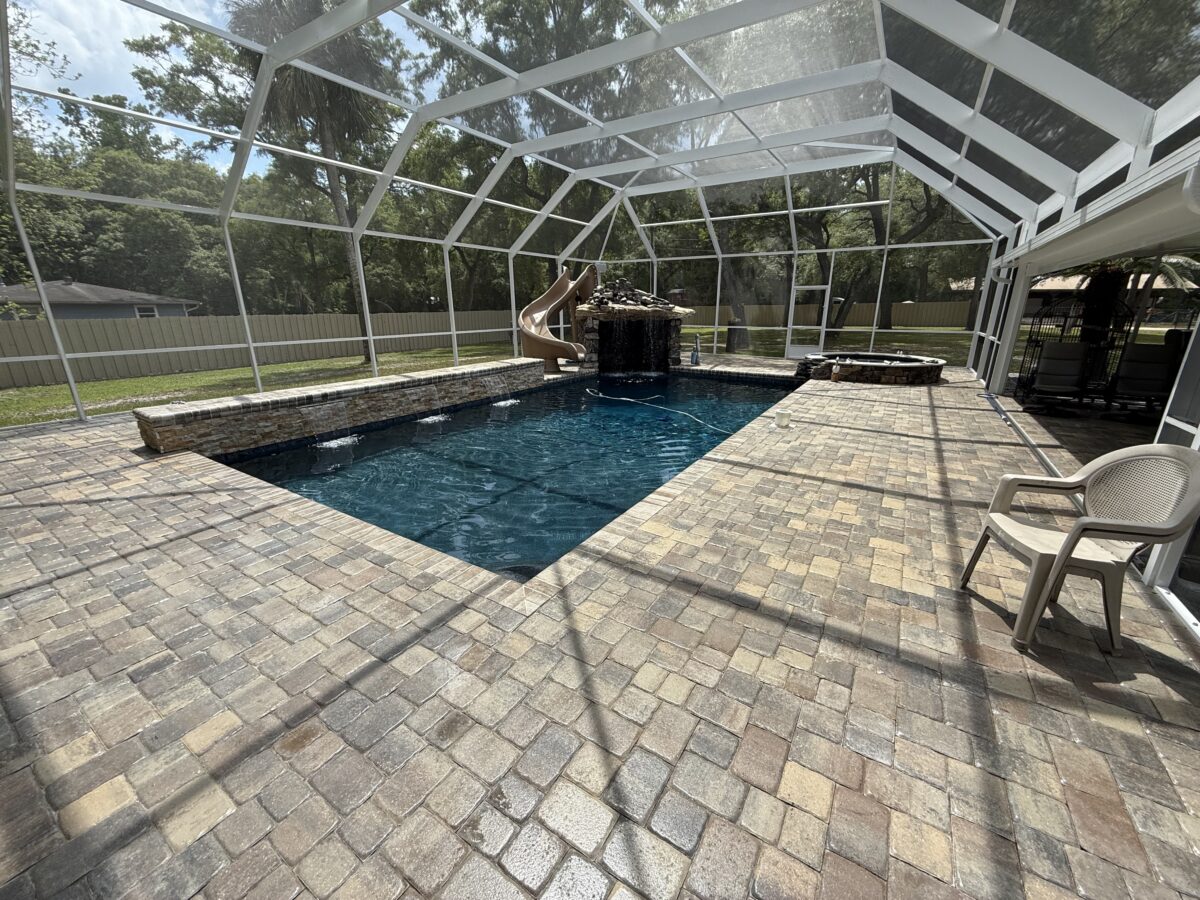
If an enclosure is part of your plan, settle that early. Evaluating how screening fits your pool design before construction helps coordinate footings, deck dimensions, rooflines, and doors instead of treating the enclosure as an afterthought.
Compare equipment, controls, and future operating costs
Request equipment manufacturers, model numbers, sizing, efficiency information, noise expectations, service clearances, and warranty terms. “Premium equipment package” is not a useful specification.
A variable-speed pump can adjust output to different tasks, but sizing and programming still matter. A salt chlorine generator makes chlorine from dissolved salt. It is not a chlorine-free system.
Compare heat pumps and gas heaters around your expected use. Maintaining a swimming temperature and heating a spa quickly are different jobs. Automation can simplify control of pumps, lights, and heating, but confirm connectivity requirements and which functions actually work through the app.
Request operating estimates based on your pool volume, equipment, heating goals, and local utility rates. Skip promised monthly averages without stated assumptions.
Compare itemized quotes, not just bottom-line prices
Statewide construction figures cannot establish a reliable price for your Alachua property. Access, excavation, demolition, drainage, decking, and equipment can make apparently similar pools very different projects.
Give each builder the same comparison scope: dimensions, depth profile, materials, equipment, decking area, safety features, and site work. Keep optional upgrades separate so a more elaborate design does not look like a more expensive version of the same job.
With a tighter budget, prioritize a straightforward layout, comfortable access, and properly specified equipment over decorative complexity. A larger budget can support an integrated spa, expanded decking, custom finishes, or more extensive site work. Higher spending should buy clearly defined improvements, not vague “luxury” labels.
If borrowing is part of your plan, compare payment and financing details alongside the construction estimate. Look at APR, fees, repayment term, total interest, and how funds are released. Set your contingency around identified risks, especially uncertain excavation or concealed problems in an existing pool.
Find allowances, exclusions, and potential extra charges
An allowance is a placeholder budget for an item you have not finalized. If your finish selection exceeds the allowance, your price increases. Get the allowance amount, covered quantity, and adjustment method in writing.
Review excavation assumptions, demolition and disposal, electrical work, drainage, screen enclosures, irrigation repairs, yard restoration, permit fees, and startup. Confirm whether the finished scope includes equipment commissioning and initial operating instructions.
For every potential extra, establish the trigger, pricing method, and approval process. Unusually low bids, vague equipment descriptions, and pressure to sign before the scope is clear are reasons to pause.
Read the contract for schedule, payments, and accountability
Your contract should connect the design, specifications, exclusions, estimated start and completion windows, payment milestones, and written change-order process. Identify the person responsible for coordinating subcontractors and providing updates.
Construction time is not the same as the full project timeline. Design, HOA review, engineering, permitting, material availability, inspections, and summer storms can all affect progress. Understanding how seasonal conditions affect construction helps you judge a schedule without treating any advertised duration as a guarantee.
Clarify deposit terms, cancellation provisions, delay notices, and how long pricing remains valid. Tie progress payments to clearly defined work, and establish appropriate lien-release documentation for contractor, subcontractor, and supplier payments. For unclear legal terms or a substantial deposit, get Florida construction-law advice before signing.
Check warranty coverage and your final handoff
Separate workmanship, structural shell, interior finish, and manufacturer equipment coverage. Each warranty can have different exclusions, claim procedures, registration deadlines, and responsibility for labor or replacement parts.
Confirm who handles a claim and whether service is available locally. A long coverage period means little without a clear explanation of what is covered and how a problem gets resolved.
Before final payment, review inspection signoffs, unresolved corrections, and a written punch list of unfinished items. Your handoff should include equipment model details, warranty documents, control instructions, and finish-specific startup guidance.
Bring a short checklist to your pool build consultation
Gather your property survey if available, backyard photos, inspiration images, budget range, and notes about existing pool problems. Mark anything that must stay, including trees, septic areas, patios, and access routes.
Use a brief checklist to keep your consultation focused:
- New build, renovation, or replacement scope
- Access, soil, utilities, and drainage
- Plans, permits, and HOA responsibilities
- Safety features and equipment specifications
- Allowances, exclusions, and change approvals
- Schedule, payment milestones, and warranties
The goal is a written estimate built around your actual yard. A site consultation should turn uncertain assumptions into clear inclusions, exclusions, and follow-up work.
Frequently asked questions
How do you verify a pool builder’s license in Alachua, FL?
Search Florida’s DBPR licensing records using the contractor’s name or license number. Confirm active status, the qualifying contractor’s relationship to the business, and a classification that covers your project. For a registered contractor, verify authorization for your jurisdiction.
Do you need Alachua county or city of Gainesville permits?
Your property’s jurisdiction determines the building department, not just the mailing address. Confirm the correct office before design work advances. Your builder’s contract should identify responsibility for permits, engineering, inspections, and required corrections.
Can you renovate an old pool instead of replacing it?
Yes, when the existing structure and layout support your goals. Get the shell, plumbing, electrical system, and equipment assessed first. Extensive structural problems or major layout changes can make a rebuild worth comparing against renovation.
How long does a new inground pool take to build?
Your schedule depends on design, approvals, site conditions, material availability, weather, and inspections. Request separate estimates for preconstruction and active construction, plus an explanation of likely delays. A completion promise without a site review is not a dependable planning tool.
What should you bring to a pool estimate appointment?
Bring your survey if available, backyard photos, preferred features, budget range, and any records for an existing pool. Include HOA requirements and known access or drainage concerns. Those details help you get a more useful estimate than inspiration pictures alone.
Start by trying the pool cost estimator, then call Swim State at (352) 318-9782 for a build consultation. Use your shortlist of priorities to request a written scope that fits your yard, not just a starting price.