
How to Maintain a Pool Without the Constant Guesswork
September 3, 2026
Fiberglass vs Concrete Pools: Which Is Better for You?
September 3, 2026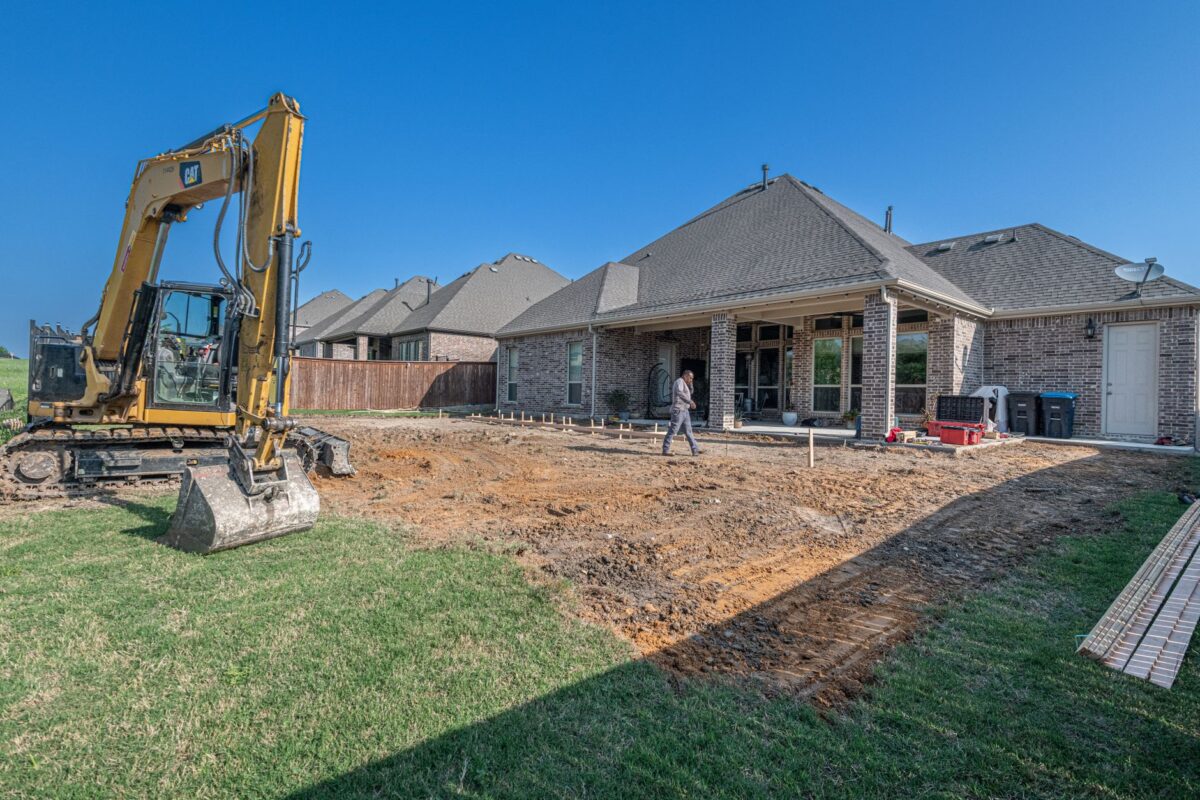
Hiring a custom pool contractor can feel oddly high-stakes for something that starts as a backyard daydream. One great decision can give you years of easy summer evenings, while one bad hire can turn your yard into a muddy, expensive headache. This guide shows you what actually matters before you sign, so you can compare contractors with clear eyes instead of getting won over by pretty photos and polished sales talk.
What a Custom Pool Contractor Actually Does
A true custom pool contractor does much more than dig a hole and drop in a shell. The job usually includes design, engineering, permit coordination, excavation, steel or shell work, plumbing, electrical, tile, coping, decking, drainage, startup, and project management from start to finish. If your build also includes a spa, water features, fire elements, screen enclosure coordination, or outdoor living space, that oversight matters even more.
Here’s the thing: not every pool builder offering “custom” work is really doing custom work. Some companies mostly install standard layouts with a limited menu of shapes, finishes, and features. That can be fine if you want a straightforward pool in an easy yard. But if your space is tight, sloped, design-heavy, or full of must-haves, you need someone who can solve problems, not just sell packages.
That difference shows up early. A real custom build starts with your property, your goals, and the constraints of your lot. A basic install often starts with a brochure and a price sheet. One is tailored. The other is closer to choosing trim levels on a car.
Start With Your Pool Goals Before You Compare Contractors
Before you compare bids, get clear on what you actually want your pool to do. Not just how you want it to look, but how you want to use it on a Tuesday afternoon, a birthday weekend, or a hot July evening after work.
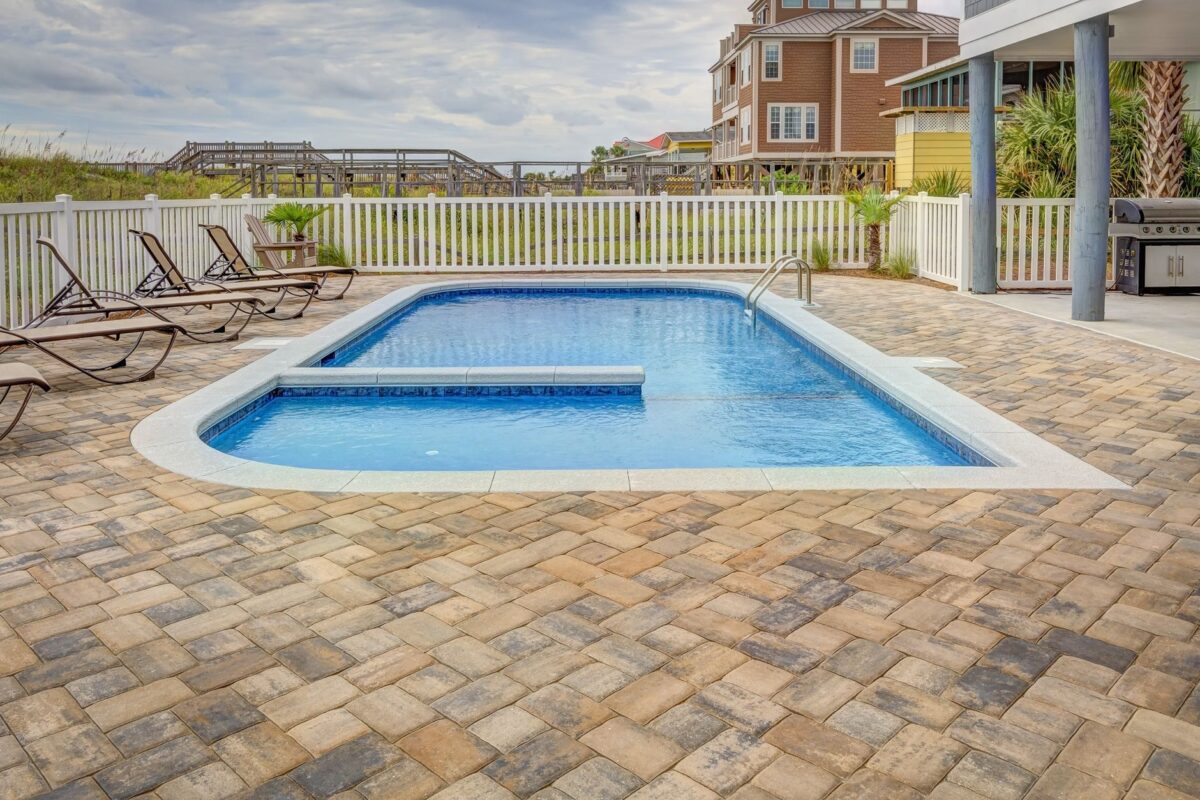
If your goal is exercise, your priorities may lean toward lap space, depth, and clean lines. If your goal is entertaining, you may care more about tanning ledges, lighting, seating, and how the pool connects to the patio. If kids will use it constantly, ease of entry, shallow space, visibility, and durable finishes rise fast on the list. If you want a resort-style backyard, then integrated features, symmetry, sound, and nighttime atmosphere matter a lot more.
This step saves time because it changes who belongs on your shortlist. A contractor who shines at sleek geometric pools may not be your best fit for a family-first freeform layout. A builder known for dramatic visual features may be less appealing if your real goal is low-maintenance daily use.
Material choice matters here too. If you are still sorting through structural options, it helps to understand how the two most common pool types compare in real life before you judge a contractor’s recommendations.
Think About How Your Yard and Lifestyle Shape the Build
Your yard will make some decisions for you.
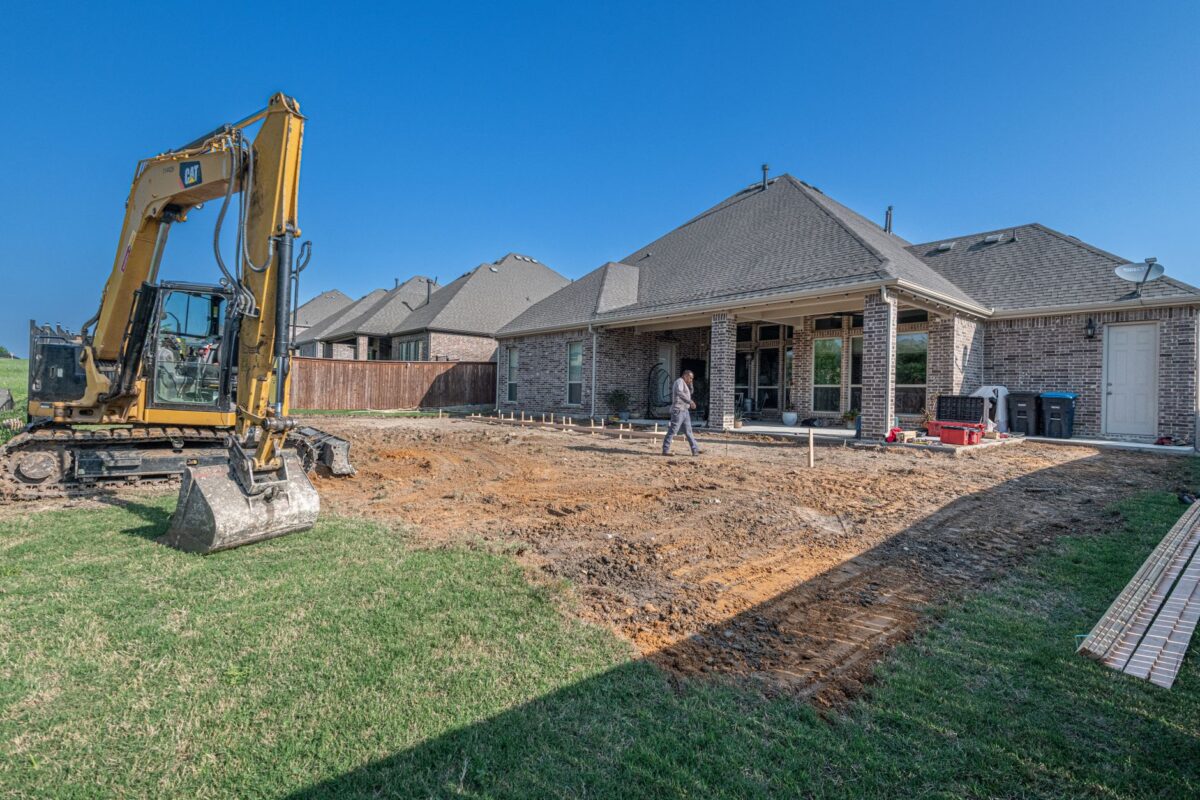
A wide, flat lot with easy equipment access gives you more contractor options and fewer construction headaches. A narrow side yard, steep grade, large trees, poor drainage, or limited access for excavation equipment changes the whole equation. In those cases, experience with difficult builds matters more than a fancy showroom.
Sun exposure also changes the design. Full afternoon sun may make deck temperature and shade planning a bigger deal than you expected. Privacy matters too. A pool that faces three neighboring windows can feel a lot less relaxing once the novelty wears off.
Local rules shape the project just as much as the land does. Setbacks, easements, barrier requirements, drainage rules, and permit timelines can alter the layout or the schedule. If you want a cleaner picture of that side of the process, it helps to read up on what has to happen before excavation can begin. It is not the glamorous part, but it is often where avoidable delays begin.
The Must-Have Qualities to Look for in a Custom Pool Contractor
If you remember one thing, make it this: a beautiful photo gallery is not enough.
Photos can show taste. Photos can show budget. Photos can even show solid craftsmanship, sometimes. But they do not show whether the project finished on time, whether the drainage works, whether the decking gets slippery, whether the equipment pad was planned well, or whether communication fell apart the second the contract was signed.
The right custom pool contractor brings four things together: legal and technical readiness, relevant experience, dependable communication, and design judgment that works in daily life. Miss one of those, and the whole project gets shakier.
Proper Licensing, Insurance, and Local Compliance
Start with the boring stuff, because it is only boring until something goes wrong.
You want a contractor with the right license for pool construction in your area, active liability insurance, and workers’ compensation coverage. Workers’ comp is simply insurance that covers jobsite injuries involving employees. Without it, risk has a nasty way of landing in the wrong place.
Local compliance matters just as much. Permit offices, inspection schedules, barrier rules, stormwater concerns, and utility coordination vary by area. A contractor with real local experience is less likely to miss a requirement, misread a setback, or promise a timeline that falls apart at the permit counter.
None of this guarantees a perfect project, but lack of it should end the conversation fast.
Experience With Projects Like Yours
“Twenty years in business” sounds reassuring, but it only helps if those years include jobs like yours.
A contractor who mostly builds simple suburban rectangles may not be ideal for a negative edge pool, an integrated spa with spillway, or a lot with major elevation changes. If your yard is small, ask about small-yard layouts. If access is tight, ask about builds that needed crane coordination or hand-carried material. If you want a pool plus a full backyard transformation, ask about projects where the pool had to work with hardscape, drainage, and outdoor living space as one plan.
Relevant experience shortens the learning curve on your dime. That matters.
Clear Communication and Real Project Management
Good communication is not charm. It is structure.
You want one clear point of contact. You want a timeline that sounds realistic, not magically fast. You want updates in writing when stages shift, materials change, or inspections move. You want straightforward answers that explain what is happening now, what comes next, and what could affect the schedule.
Construction always has moving parts. Weather changes. Materials get delayed. Soil surprises show up once digging starts. A good contractor does not pretend those things never happen. A good contractor tells you how they are handled.
If communication is fuzzy during the estimate stage, it rarely gets better once equipment shows up in your driveway.
Strong Design Sense Without Ignoring Function
A pool should look good, but it also has to work on an ordinary day.
That means entry points should feel natural. Depth transitions should fit how you plan to use the water. Decking should support movement, furniture placement, drainage, and comfort underfoot. Equipment should be accessible for service without turning part of your yard into an obstacle course. Lighting should make evening use easier, not just prettier in photos.
The catch is that some builds are designed for the reveal, not for daily life. A tanning ledge that is too small to use comfortably, bar stools placed where circulation gets awkward, or decking that turns scorching hot by late afternoon are all examples of expensive choices that sounded better than they lived.
If your project is in Florida, details like heat, rain, and drainage deserve more attention than many glossy galleries suggest. A little time spent thinking through design choices that suit this climate can help you spot contractors who plan for real use, not just visual impact.
Questions to Ask Before You Hire
You do not need a stiff interview script. You just need practical questions that make vague sales talk harder.
Ask who handles design. Ask who manages permits. Ask how scheduling works. Ask what can delay a project. Ask what a typical communication rhythm looks like. Ask what happens if you want to change something midway through. Ask what past clients wished they had known earlier.
The point is not to “test” anyone. The point is to hear whether answers are clear, specific, and consistent.
Who Will Actually Be On the Job?
Many pool projects involve subcontractors for excavation, steel, plumbing, electrical, tile, decking, screen work, or landscaping. That is normal. What matters is how the job is supervised.
Ask who will be on site regularly, who schedules the trades, and who checks the work between phases. Ask whether crews are long-term partners or whoever was available that week. Ask who you call if something looks off.
You want accountability with names attached to it. Otherwise every issue can turn into finger-pointing between crews, and that gets old fast.
What Is Included in the Bid?
A solid proposal should be detailed enough that you can compare it against another bid without guessing. If one estimate says “complete pool package” and another breaks out excavation, shell, interior finish, tile, coping, decking, equipment, lighting, fencing, cleanup, startup, and warranty, only one of those is really helping you buy smart.
Ask for line-by-line clarity. You want to know what materials are included, what equipment models are specified, how much decking is included, whether electrical work includes all planned features, and whether fencing, alarms, or final grading are part of the number.
This matters for budget too. If you want a deeper look at how pool pricing tends to stack up in this region, what homeowners usually end up paying for a custom build can give you a more grounded frame before you compare proposals.
How Do You Handle Delays, Changes, and Surprise Costs?
Ask this directly, because every project has some version of it.
Weather delays are common. Material lead times shift. Underground conditions can change once excavation starts. You may also decide to add or swap features midway through. A good contractor should explain how those changes are documented and approved.
If a contractor mentions a change order, that simply means a written price and timeline update. That document protects you because it spells out what changed, what it costs, and whether the schedule moves with it. If the process for changes sounds casual or verbal, trouble is already knocking.
How to Review a Pool Contractor’s Past Work
Looking at finished projects is useful, but you need to look past the polished angle.
A portfolio can show range in style, material quality, and finish detail. It can also hide a lot. Wide shots are nice, but close-ups matter more. Look for tile alignment, coping consistency, clean transitions, deck layout, and how the pool sits in the yard. Does the design feel usable, or just dramatic?
If possible, see a finished pool in person. That tells you things photos never will. You can notice how the deck feels at 4 p.m. in July, whether the equipment area was tucked away smartly, and whether the whole space feels comfortable to move through. It is like test-sitting a sofa instead of judging it from a catalog.
References matter too, especially recent ones. Ask what surprised past clients, how problems were handled, and whether communication stayed strong after the deposit cleared.
What to Notice in Photos, Reviews, and References
Patterns tell the truth better than one glowing testimonial.
In photos, watch for inconsistent finishes, awkward proportions, cramped deck space, or features that look decorative but impractical. In reviews, repeated complaints about delays, poor follow-through, billing surprises, or unfinished punch-list items deserve attention. Be cautious with praise that sounds vague, generic, or strangely similar from one review to the next.
References should sound relaxed and specific. Good signs include comments about predictable communication, clean scheduling, thoughtful problem-solving, and a finished product that still works well months later. If every reference sounds overly rehearsed, trust your gut.
Understanding Pricing and What Drives the Cost
Custom pool bids can vary wildly, and not because one contractor is honest while another is greedy. Sometimes the gap comes from real differences in scope, engineering, materials, finish levels, equipment quality, access difficulty, or how much site work is included.
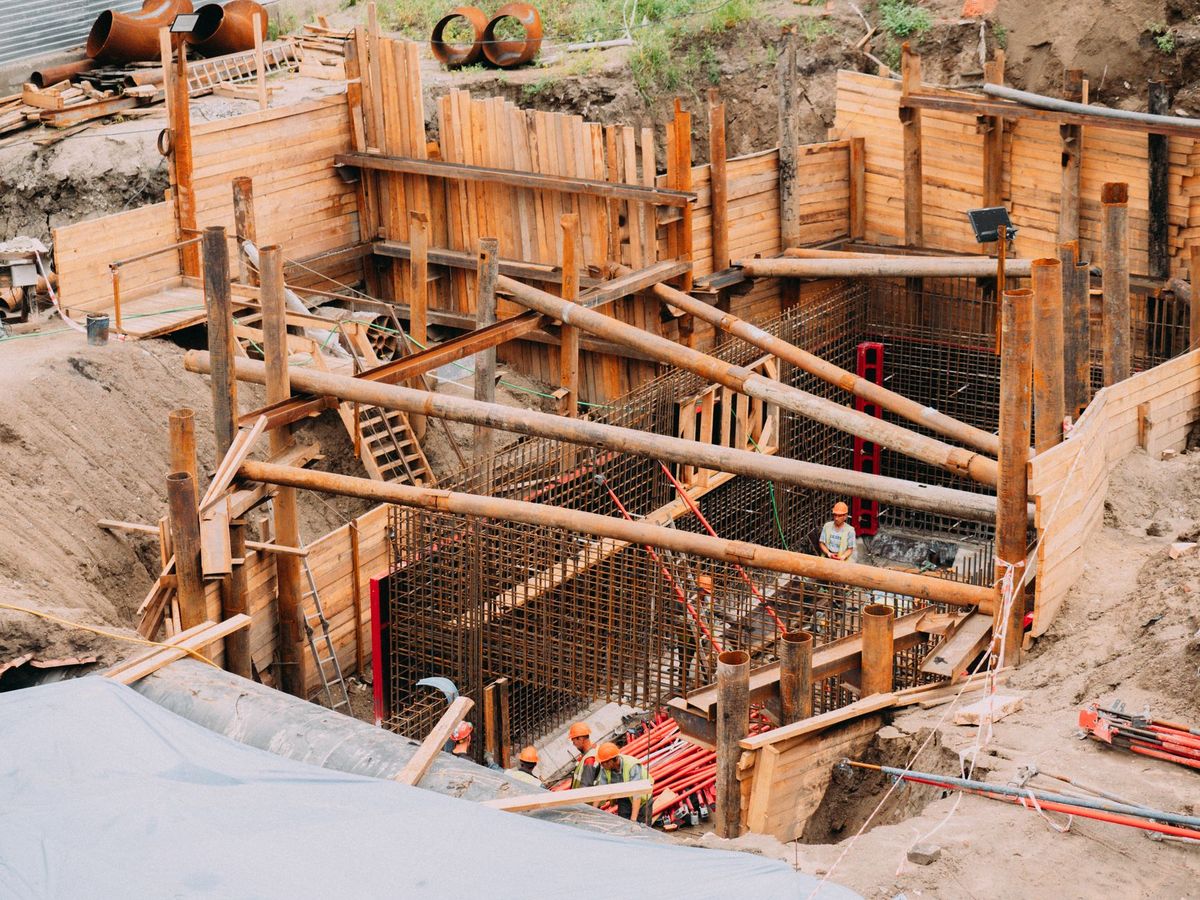
Excavation is a major variable. Tight access, poor soil, tree removal, grading, and drainage corrections can all move the number. Materials matter too. Interior finishes, tile choices, coping, decking, and waterline details can shift the budget more than people expect. Add automation, premium lighting, water features, an integrated spa, upgraded filtration, or extensive hardscaping, and the spread gets even larger.
Regional labor and permit costs also shape the final price. That is why comparing totals alone can mislead you. You are not buying a gallon of milk. You are buying a sequence of decisions, materials, and risk management wrapped into one job.
Cheap Bids Usually Cost More Later
Cheap bids usually cost more later. Full stop.
The low number often works by leaving things out, using lower-grade equipment, underestimating site complications, or keeping the scope vague enough to support expensive add-ons later. Once digging starts, your leverage drops. That is when “unexpected” charges start showing up for items that should have been discussed from the beginning.
A low bid can also mean weaker project management. Fewer site checks, less experienced crews, rushed phases, and sloppier coordination rarely look expensive on day one. They get expensive after startup, when repairs, warranty disputes, and maintenance headaches begin.
Where It Makes Sense to Spend More
Some upgrades are mostly taste. Others make daily ownership easier.
Spending more on efficient, reliable equipment often pays back in lower hassle and better performance. Better circulation, quieter pumps, smarter automation, and easier-to-service layouts are not exciting in a showroom, but you notice them every week. Durable finishes also matter, especially in a climate where sun, storms, and regular use put every surface to work.
Layout is another smart place to spend. A thoughtful bench location, a more usable tanning ledge, extra deck room in the right place, or lighting that actually supports evening swimming can improve the space more than a flashy feature ever will.
Long-term care counts too. If you want fewer surprises after the build, it helps to understand what simple pool upkeep really involves once the water is in. A contractor who plans with maintenance in mind is usually worth more than one chasing visual wow.
Red Flags That Should Make You Pause
Some warning signs are subtle. Others are loud enough to hear from the driveway.
The trick is to notice them before you are emotionally attached to the design. Once you can picture the finished pool, it gets much easier to excuse behavior you should not excuse.
Pressure Tactics, Vague Contracts, and Big Upfront Deposits
Be wary of anyone pushing for a same-day signature, promising a special price that disappears by dinner, or brushing off contract details with “don’t worry, that’s standard.” A custom project is too expensive for handshake logic.
Vague scopes are a problem. So are missing equipment specs, unclear material allowances, fuzzy cleanup responsibilities, or deposit demands that feel oversized compared to the work being started. A reasonable payment structure ties money to progress, not to pressure.
If something important is only spoken and never written down, treat it as not promised.
Poor Communication Before the Sale
A missed call happens. A pattern matters.
If estimate appointments get rescheduled without much notice, emails go unanswered, timelines change from one conversation to the next, or basic follow-up feels disorganized, pay attention. That is the polished stage. If communication is already messy before the contract, it usually gets worse once your project joins a queue of active jobs.
You are not looking for perfection. You are looking for reliability.
Compare Contracts, Warranties, and Timelines the Smart Way
The contract is where a polished pitch has to become real. If it stays vague here, that is the clearest answer you are going to get.
Take your time with scope, materials, payment timing, allowances, and exclusions. Notice what is specified by model and finish, and what is left open-ended. Look for who handles permits, inspections, debris removal, startup, and final cleanup. If a timeline is listed, check whether it is tied to construction phases or just framed as a broad estimate.
A useful contract reduces ambiguity. A weak one preserves it.
What a Good Pool Contract Should Spell Out
At minimum, your contract should clearly identify the plans, dimensions, materials, finishes, equipment models, construction phases, payment triggers, estimated timeline, permit responsibility, inspection responsibility, cleanup expectations, and cancellation terms.
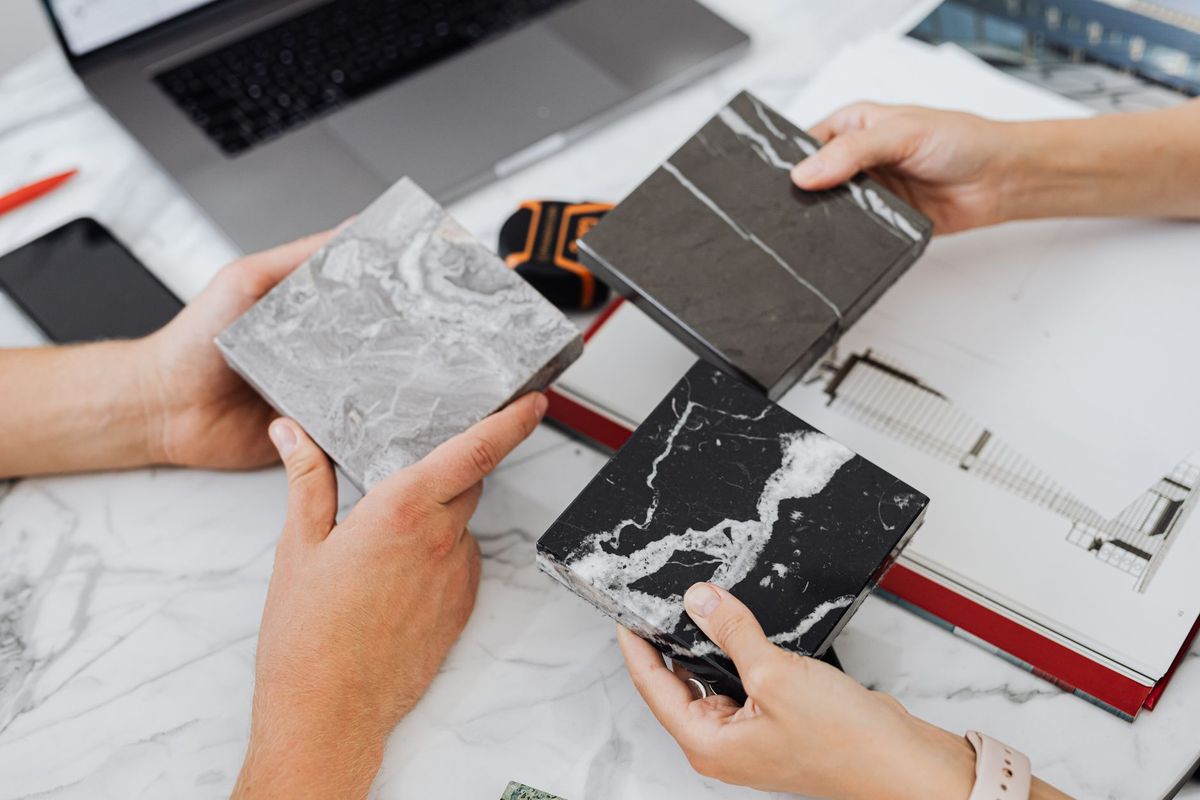
It should also spell out allowances if any selections are not final yet. An allowance is simply a placeholder dollar amount for something you have not chosen, like tile or decking. Those numbers matter because unrealistically low allowances can make a bid look cheaper than it really is.
The more specific the agreement, the fewer arguments you will have later.
How to Read Warranty Language Without Getting Lost
Pool warranties usually split into two buckets: workmanship coverage and manufacturer coverage.
Workmanship covers how the pool was built, things like installation errors or construction defects, subject to the terms in the contract. Manufacturer coverage applies to equipment such as pumps, heaters, automation systems, or lights, based on each product maker’s warranty rules.
The catch is the gap between those two. If a heater fails because it was installed poorly, whose problem is it? If settling affects decking but not the pool shell, is that covered? Sloppy contracts leave too much room for finger-pointing. Clear warranty language should show what is covered, for how long, and what would void that coverage.
Choosing the Right Contractor for Your Type of Pool Project
There is no single best contractor in the abstract. There is only the best fit for your project.
That means your shortlist should change based on the kind of pool you want and the kind of yard you have. A contractor perfect for a high-end showpiece may not be your best choice for a durable family pool. A builder with gorgeous marketing may be the wrong fit for a difficult lot that demands engineering and access planning more than style points.
Best Fit for a High-End Backyard Showpiece
If your vision includes a custom spa, premium finishes, integrated lighting, water and fire features, or a backyard that feels like a boutique resort, prioritize design depth and finish quality. You want a contractor who can translate a strong visual concept into a space that still works comfortably in real life.
Look closely at transition details, symmetry, material coordination, and how the pool connects to the rest of the yard. In this kind of project, design judgment is doing a lot of heavy lifting.
Best Fit for a Family Pool Built for Everyday Use
For a daily-use family pool, prioritize durability, safety, maintenance ease, and a layout that makes sense at a glance. Wide steps, clear sight lines, non-slip surfaces, good shallow-area usability, and practical deck space matter more than dramatic extras.
Equipment choice matters here too. Quiet, efficient systems and easy-to-manage controls can make ownership feel much lighter over time. A family pool should be easy to enjoy, not one more thing to manage.
Best Fit for a Difficult Yard or Tight Space
If your lot is sloped, narrow, oddly shaped, heavily landscaped, or hard to access, problem-solving matters more than flashy marketing. Ask tougher questions about drainage, retaining needs, excavation logistics, staging, structural planning, and how nearby structures or utilities affect the build.
This is where experience with tricky conditions separates solid contractors from smooth salespeople. A difficult lot can still produce a beautiful pool, but only if the builder respects the constraints from day one.
A Simple Hiring Checklist Before You Sign
Right before you sign, slow down and run one clean check.
Verify the license and insurance. Compare detailed bids, not vague totals. Call references and listen for specifics, not just enthusiasm. Read the contract line by line, especially scope, equipment, allowances, warranty language, and payment triggers. Then try to visit one finished project in person before you commit.
That one visit is worth it. A pool can look perfect on a phone screen and feel awkward, hot, cramped, or poorly planned once you are standing beside it.
Try this before making your final choice: pull out the two strongest proposals and ask one simple question about each contractor, “Would you still feel comfortable if the project hit one surprise in week three?” The right answer usually shows up faster than you expect.