
How to Prevent Pool Algae in Florida’s Humid Heat
July 9, 2026
12 Outdoor Living Space Ideas That Work with a Pool
July 9, 2026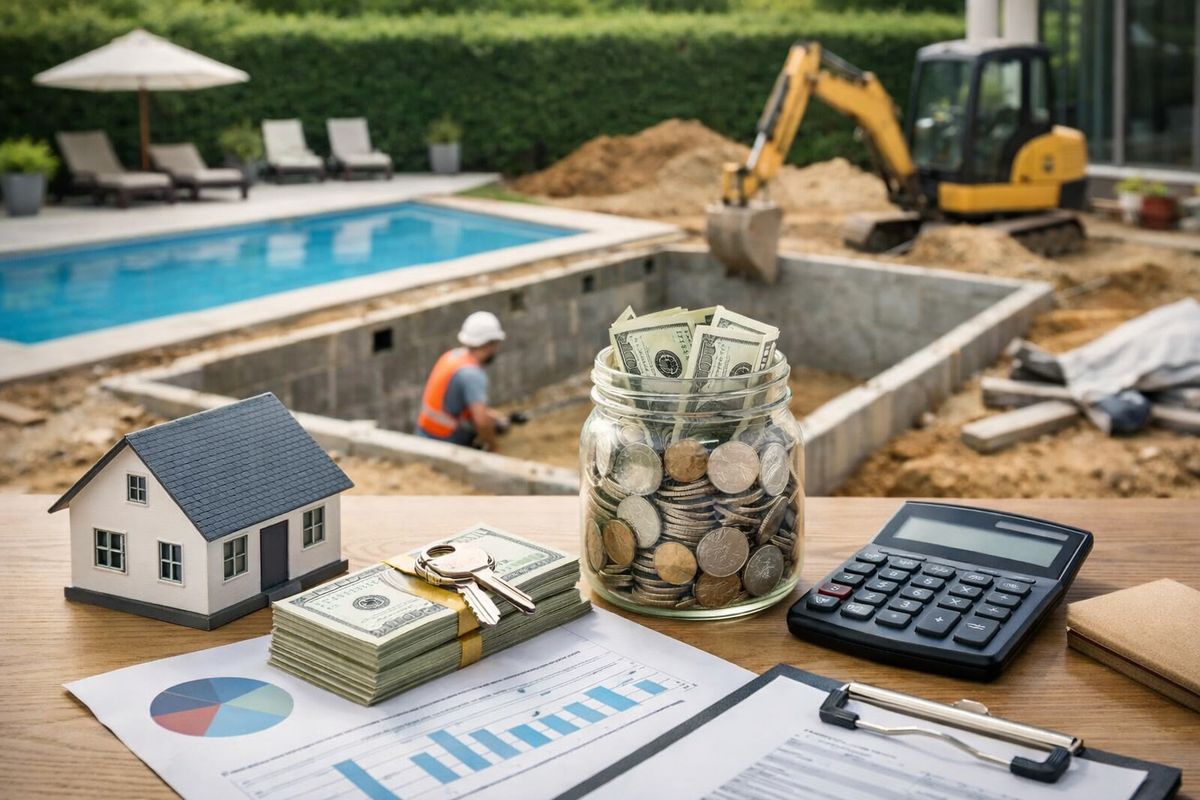
Pool financing gets real the moment your backyard dream turns into an actual estimate. One minute you are picking tile and imagining a screened enclosure for those humid Gainesville evenings, the next you are staring at line items and trying to figure out the smartest way to pay for all of it.
How Pool Financing Works for a New Build
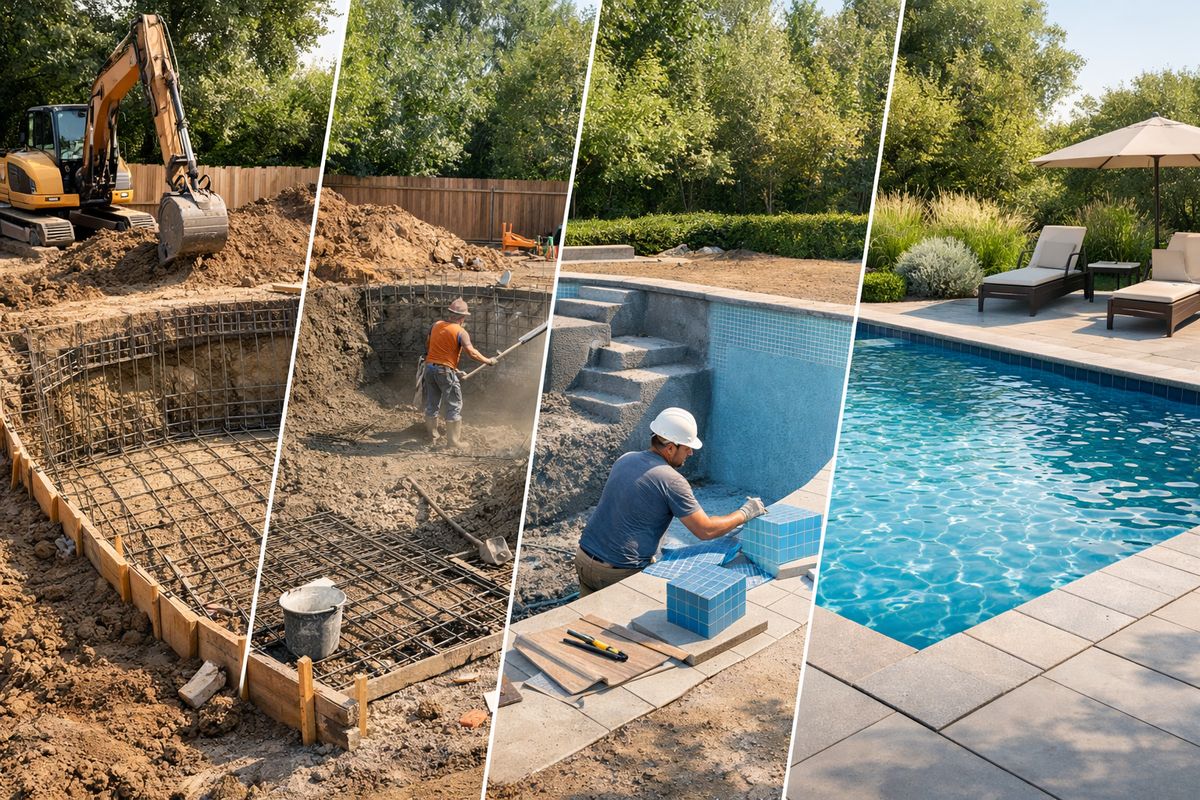
For most homeowners, pool financing means borrowing money for an in-ground pool project and paying it back over time through fixed or variable monthly payments. That sounds simple enough, but a pool build is not a one-click purchase. It is a multi-part construction project, and the financing often has to cover far more than the shell itself.
Unlike putting patio furniture on a credit card, a pool usually involves excavation, plumbing, electrical work, concrete or pavers, safety features, and often a screened enclosure. Funds may be paid out all at once or in stages, depending on the loan type and lender. That matters because pool projects rarely move in one clean, uninterrupted line from dig day to final inspection.
What Costs Your Financing May Need to Cover
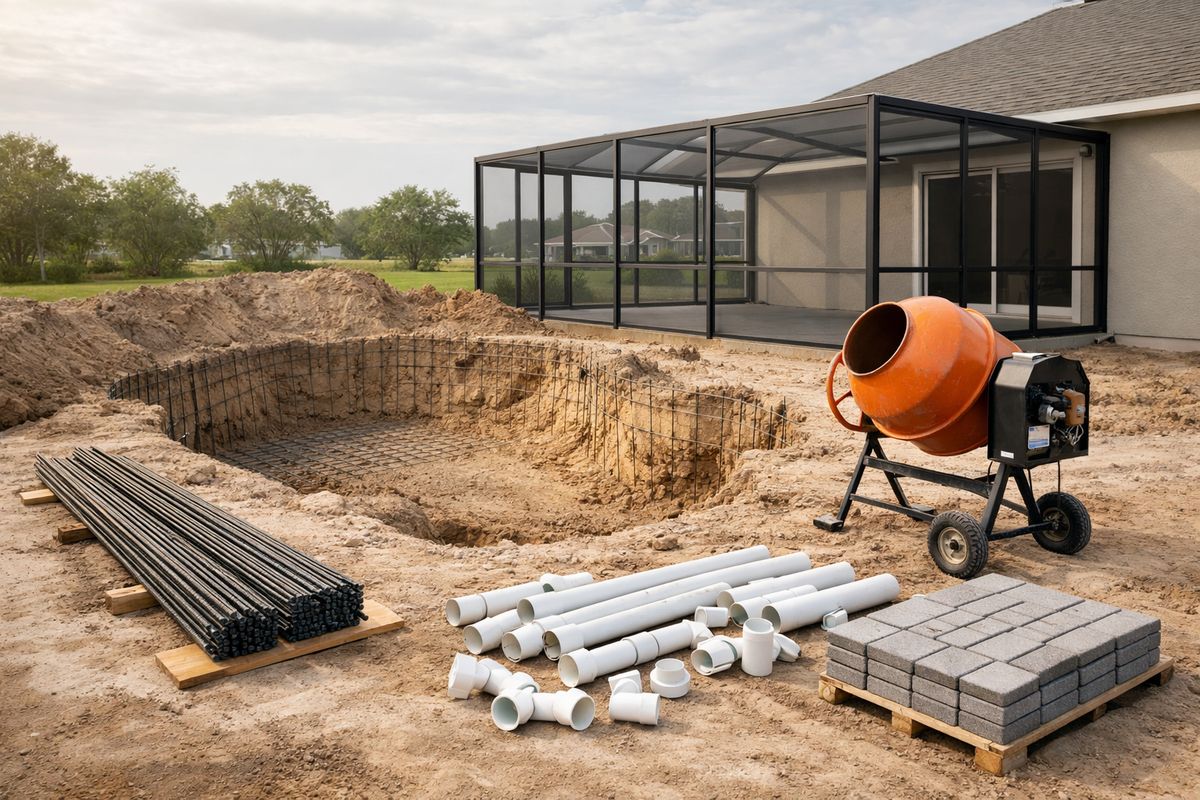
A realistic pool budget includes design work, permits, digging, the pool structure, plumbing lines, pumps, filters, electrical, decking, and finish materials. Then come the add-ons that stop feeling optional pretty quickly, such as lighting, water features, heating, automation, and a spa.
In Gainesville, screened enclosures often play a big role in the final price, especially if you want a more usable backyard through bug season. Drainage planning can also change the math. A yard that looks flat and harmless before excavation can turn into a muddy headache after one summer storm, so grading and runoff control deserve a place in the budget from the start.
The Main Pool Financing Options Homeowners Usually Consider
Most pool financing falls into five common buckets: home equity loans, HELOCs, cash-out refinances, unsecured personal or specialty pool loans, and builder-arranged financing. Each option solves a different problem. Some give you lower rates, some give you faster access to money, and some give you more flexibility if the project changes mid-build.
The trick is not finding the single “best” option. The trick is matching the loan structure to your budget, timeline, and comfort with risk.
Home Equity Loan
A home equity loan lets you borrow a lump sum against the equity in your home. Equity is the part of your home you own outright, after subtracting what you still owe on the mortgage. In practice, this option often appeals to homeowners who know roughly what the project will cost and want one predictable monthly payment.
The main upside is stability. Home equity loans usually come with fixed interest rates and set repayment terms, so your payment does not bounce around. That makes budgeting easier, especially if your household already has enough moving parts.
The catch is serious, though simple: your house is the collateral. If you fall behind, the lender has stronger rights than with an unsecured loan.
HELOC
A HELOC, short for home equity line of credit, works more like a reusable credit line secured by your home. Instead of getting one lump sum, you can draw money as needed during the draw period, up to your approved limit.
That setup can fit a pool project well if costs come in stages. Maybe the base pool is one contract, then the screen, patio extension, or outdoor kitchen gets added later. A HELOC gives you flexibility without forcing you to borrow the full amount on day one.
But flexibility usually comes with variable rates. Your payment can rise if rates rise, and that uncertainty matters more than people like to admit.
Cash-Out Refinance
A cash-out refinance replaces your current mortgage with a new, larger one, then gives you the difference in cash. If your existing mortgage rate is high and current refinance terms are better, this can be a clean way to roll pool costs into one long-term loan.
Here is where it gets interesting. A cash-out refinance can look attractive because the repayment period is long, which lowers the monthly payment. But if you already have a low mortgage rate, swapping it out just to finance a pool can be an expensive move in disguise. You are not just financing the pool, you are rewriting your housing loan.
For some homeowners, that trade is fine. For others, it is like replacing a perfectly good roof because you wanted new gutters.
Unsecured Personal Loan or Specialty Pool Loan
Unsecured personal loans and specialty pool loans do not require your home as collateral. Approval is typically based on credit, income, debt level, and the lender’s internal rules. These loans often move faster than home-equity-based financing, with less paperwork and no home appraisal.
That speed can be appealing if your project timeline is tight or you do not want to tie the loan to your house. Some pool-specific lenders also structure terms around construction costs and staged projects, which can make the process feel easier.
The tradeoff is cost. Rates are often higher than secured options, and repayment terms may be shorter, which can push the monthly payment up.
Builder or Contractor Financing Programs
Some pool builders offer financing through lending partners. Convenience is the big selling point. You get a quote and financing path in the same conversation, which feels efficient when you are eager to get moving.
Still, convenience is not the same thing as value. Builder financing can be competitive, but it is not automatically the best deal. Terms, fees, and interest rates vary, so it makes sense to compare the offer against outside lenders before signing anything.
How to Choose the Right Financing Option for Your Budget
The best financing choice is usually the one that fits your monthly life, not the one with the most attractive ad. You want a payment that leaves room for groceries, insurance, school costs, and all the normal things that show up when you least feel like paying for them.
Start With Your Monthly Comfort Zone
Start backward. Decide what monthly payment feels comfortably manageable, then look at loan amounts and terms that fit inside that number. That is more useful than falling in love with a project total and hoping the payment works out later.
A gorgeous pool stops feeling fun fast if the bill lands like a second car payment every month. Be honest here. If a lender says you qualify for more than you want to carry, that does not mean you should borrow it.
Compare Fixed Rates vs Variable Rates
A fixed rate stays the same for the life of the loan. A variable rate can change over time, which means your payment can change too. That is the plain-English difference, and it matters a lot more than the promotional rate on page one.
If your budget is tight, predictability matters more than chasing the lowest teaser rate. A variable-rate HELOC can still make sense, especially for phased projects, but only if you have enough breathing room to handle a higher payment later.
Think About How Long You Plan to Stay in Your Home
Your timeline matters. If you expect to stay in your home for many years, a pool can be easier to justify with a longer-term financing option, especially one tied to home equity. You get more time to enjoy the finished space and spread out the cost.
If you may move sooner, the math changes. A long-term loan with heavy fees or a refinance that resets your mortgage may not make as much sense. The pool may still be worth doing, but you will want a sharper eye on total borrowing cost, not just monthly affordability.
What Lenders Look At Before Approving Pool Financing
Loan applications feel less stressful when you know what is being measured. Most lenders are trying to answer a basic question: can you repay the loan, and if the loan is secured, is there enough value in the home to support it?
Credit Score, Income, and Debt-to-Income Ratio
Credit score gives lenders a quick picture of how you have handled borrowed money in the past. Higher scores usually lead to better rates and more options. Income helps show your ability to make payments.
Debt-to-income ratio, often called DTI, compares your monthly debt obligations to your monthly income. In plain English, it shows how much of your paycheck is already spoken for by mortgage payments, car loans, cards, and other bills. Lower DTI usually makes approval easier.
Home Equity and Appraisal Factors
For home equity loans, HELOCs, and cash-out refinances, your available equity matters. Lenders look at your home value, what you still owe, and how much total debt they are willing to allow against the property.
Sometimes that means an appraisal or valuation review. If your home has appreciated, you may be able to borrow more. If not, secured financing options may feel tighter than expected.
Project Details and Contractor Information
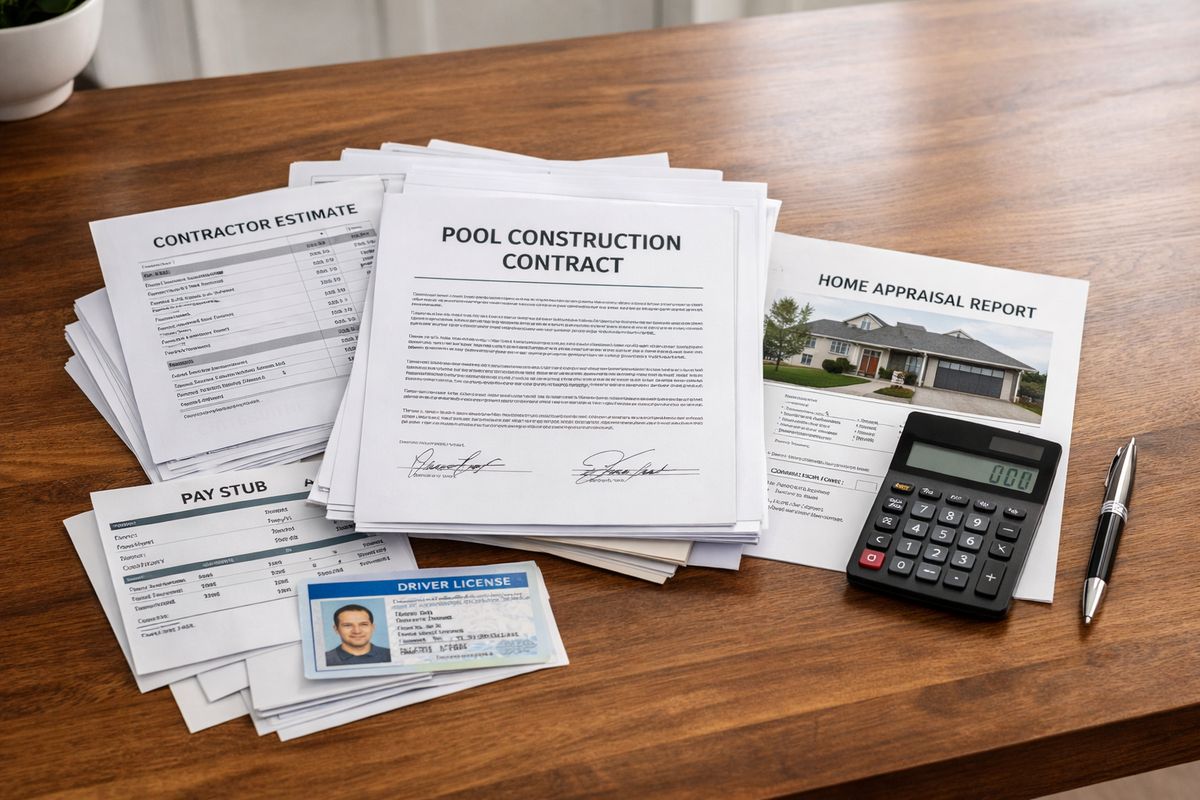
Some lenders want more than your income documents. They may ask for a signed contract, construction plans, contractor license information, or a detailed quote showing what the money will cover.
This is one place where organization pays off. If your estimate clearly breaks out the pool, decking, enclosure, and upgrades, approval and funding can move faster.
Pool Financing Costs That Are Easy to Miss
A lot of pool budgets look fine until the side costs start piling up. That is the part that catches people off guard, not usually the headline loan amount.
Fees, Closing Costs, and Prepayment Terms
Different financing types come with different upfront costs. Home equity products may involve appraisal fees, origination fees, filing costs, and closing costs. Personal loans may skip some of that paperwork but charge higher rates or lender fees.
Also check the prepayment terms. Some loans let you pay early with no issue, while others charge a penalty for doing it. Fine print is not exciting, but it is where an okay loan turns into an expensive one.
Backyard Extras That Change the Final Number
Then there is the construction side. Fencing, landscaping repairs, drainage fixes, permit costs, utility upgrades, and debris cleanup can all push the total higher. If access to the yard is tricky, labor costs can change too.
In Gainesville, muddy summer afternoons make drainage problems obvious fast once digging starts. A plan that looked neat on paper can suddenly need extra grading, rerouted runoff, or patio adjustments. Those are not dramatic luxury upgrades. They are real costs.
Common Mistakes to Avoid When Financing a Pool
Most financing mistakes are not complicated. They happen because a low monthly number looks comforting, or because the build quote gets all the attention and the rest of the budget fades into the background.
Choosing Based Only on the Lowest Monthly Payment
A low payment can hide a long repayment term and much higher total interest cost. Stretching a loan out may make the monthly number feel easy, but it can add up to thousands more over time.
Monthly affordability matters, of course. But total repayment matters too. Look at both side by side before deciding.
Forgetting the Ongoing Cost of Owning the Pool
Financing the build is only one part of the budget. Pool ownership also means chemicals, cleaning, equipment maintenance, extra utility use, possible insurance changes, and repairs down the line.
None of that means you should skip the pool. It just means the monthly loan payment should not eat up every spare dollar.
Not Comparing More Than One Offer
Rates, fees, and loan terms vary more than most people expect. One lender may offer a lower rate but charge higher fees. Another may approve faster but shorten the term enough to raise your monthly payment.
The trick is simple: get a few quotes before signing anything. Comparison shopping is boring for about thirty minutes and useful for years.
Best Pool Financing Fit by Homeowner Scenario
Sometimes the easiest way to choose is to stop thinking in loan categories and start thinking in real-life situations.
Best if You Want Predictable Payments
Fixed-rate financing usually fits best here, especially a home equity loan or certain personal loans. Your payment stays steady, which makes planning easier and lowers the chance of unpleasant surprises later.
If you like knowing exactly what leaves your account each month, this matters a lot.
Best if Your Project Will Happen in Phases
A HELOC or another staged funding option often works well if the build will unfold over time. Maybe you are doing the pool now, then adding the spa, summer kitchen, or expanded patio later.
Flexible access to funds helps when the plan is intentionally phased instead of fully built on day one.
Best if You Have Strong Equity but Want a Lower Rate
Home-equity-based financing often offers lower rates than unsecured loans, especially if your credit is solid and your home has built meaningful value. That can make a big project more manageable.
The tradeoff is plain: your home secures the debt. Lower rate, higher stakes.
Best if You Need Speed and Simplicity
Unsecured personal loans and contractor-arranged financing usually win on convenience. Fewer documents, faster decisions, less waiting. If timing matters, that can be a real advantage.
Just make sure convenience is not quietly costing you much more. Compare the annual percentage rate, fees, and total repayment before committing.
How to Get Ready Before You Apply for Pool Financing
A little prep makes financing smoother and gives you better odds of choosing well instead of choosing fast.
Gather Quotes, Plans, and Your Budget Numbers
Pull together a detailed pool estimate, any upgrade wish list, income information, current debt numbers, and a realistic monthly payment target. If you already know you want a screened enclosure, upgraded lighting, or patio work, include it now instead of pretending it will be a later problem.
A rough guess leads to rough financing. Clear numbers lead to better decisions.
Check Your Credit and Compare Offers Side by Side
Check your credit before applying so there are no surprises. Then compare lenders using the numbers that actually matter: APR, fees, repayment term, monthly payment, and total amount repaid over time.
Try one thing before talking to lenders: get one detailed pool quote first. Real numbers make every pool financing decision easier, and they keep your budget grounded in the backyard you actually want to build.