Do You Need a Screen Enclosure for a New Pool in Florida?
October 25, 2026
Building a Pool on Florida Limestone: What to Expect
November 1, 2026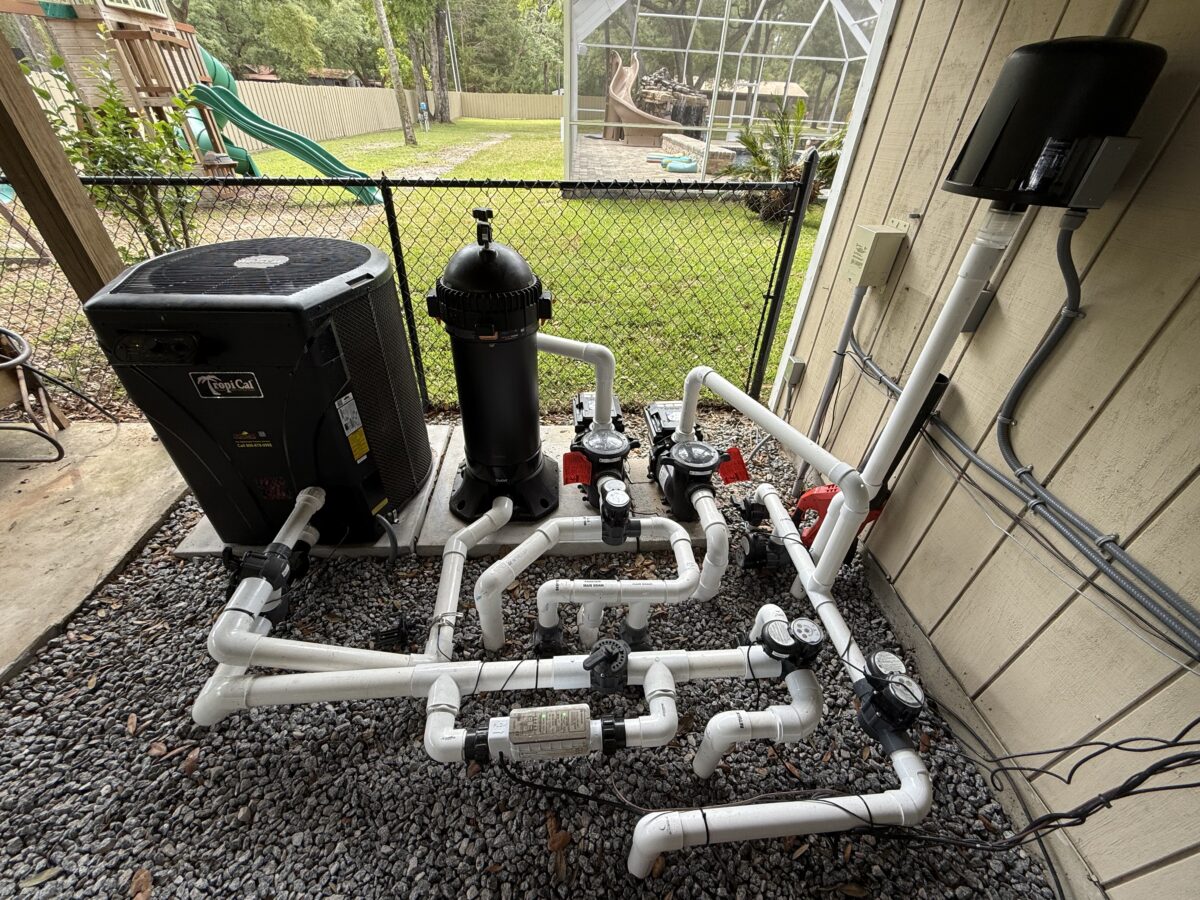
Choosing the equipment for your backyard pool can feel harder than choosing the shape. If you’re researching saltwater pool installation in Gainesville, start by separating the pool you want to build from the system that sanitizes the water. Your yard, construction scope, and material choices will shape the budget far more than salt chlorination alone.
Is a saltwater pool right for your Gainesville home?
A saltwater pool is still a chlorine pool. A salt chlorine generator uses electricity to make chlorine from dissolved salt, rather than relying entirely on manually added chlorine.
The appeal is convenience and comfortable swimming. You get fewer manual chlorine additions, and you may prefer the feel of lightly salted water. But comfortable water also depends on balanced chemistry, not just the presence of salt.
The downside is added equipment cost, eventual salt-cell replacement, and the need for salt-compatible materials. Saltwater is neither chemical-free nor hands-off. For North Florida’s long swim season, the convenience can be worthwhile, provided your construction budget includes compatible equipment and finishes.
Choose between a new pool, a rebuild, and a saltwater conversion
Your construction decision comes first. Salt chlorination can be included in a new inground pool, added during a substantial renovation, or installed on an existing pool that remains structurally sound.
A generator changes how your pool produces sanitizer. It does not fix a leaking shell, deteriorated finish, undersized plumbing, or an unsafe electrical installation. Keep those scopes separate when comparing estimates.
Fiberglass, concrete, or vinyl: what fits your plans?
Fiberglass offers a smooth, factory-made surface that works well with salt chlorination. Your shape and dimensions come from available shell designs, and installation requires suitable delivery and lifting access. Surface repairs may require specialist color matching.
Concrete gives you more control over dimensions, depth, benches, and unusual layouts. Construction involves building the shell and applying a finish on site, which adds scheduling variables. With compatible finishes, equipment, and properly managed water chemistry, a concrete pool can use salt chlorination successfully.
Vinyl offers a smooth liner surface and flexibility within the chosen structural system. Your estimate should address eventual liner replacement and compatibility of submerged fittings, fasteners, and any metal components.
No pool material makes the surrounding hardware irrelevant. Confirm salt compatibility for the complete assembly, not just the shell.
When your existing pool needs more than a conversion
Before pricing a salt system for an older pool, get an assessment of the shell, plumbing, electrical system, finish, and equipment. A sound shell with outdated equipment presents a different project from a pool with structural movement or recurring leaks.
Understanding when the existing shell is worth keeping helps you avoid comparing a simple conversion estimate with a complete rebuild. Resurfacing replaces the interior finish; rebuilding can involve structural work, new plumbing, or a changed layout.
For an older Gainesville pool, use Swim State’s renovation consultation information to frame the scope before treating salt chlorination as a standalone purchase.
What does saltwater pool installation in Gainesville cost?
There is no reliable Gainesville-specific average that captures a complete saltwater inground pool project. National figures also vary because “installation” can mean equipment installation, a basic pool, or a finished backyard project.
Your written local estimate matters more than an online headline. Excavation, pool dimensions, decking, drainage, electrical work, permits, safety provisions, and optional features should appear as identifiable parts of the scope.
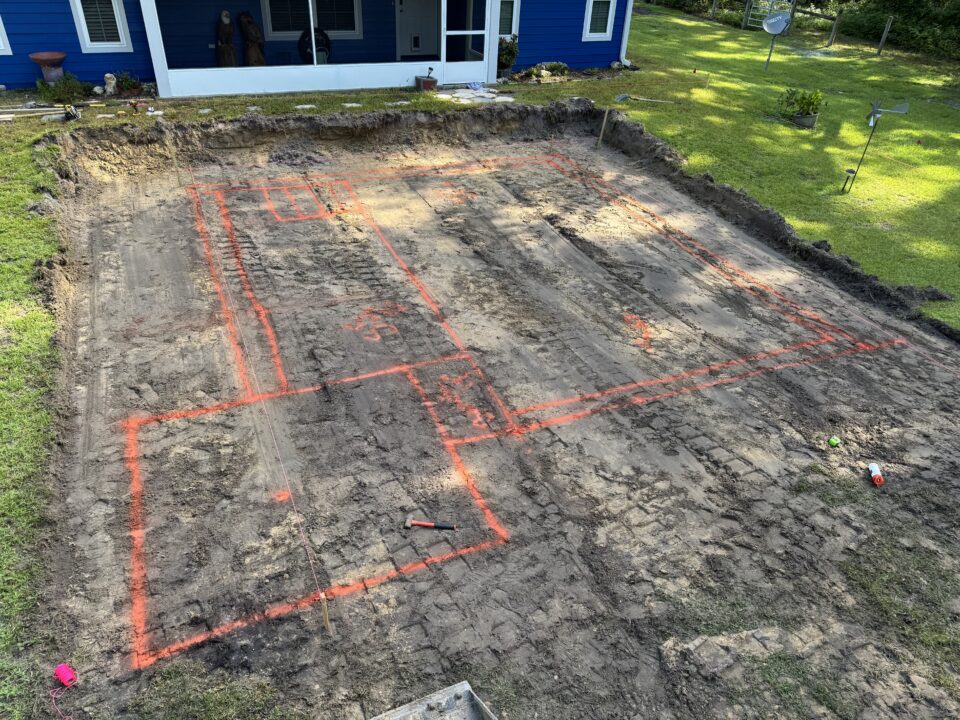
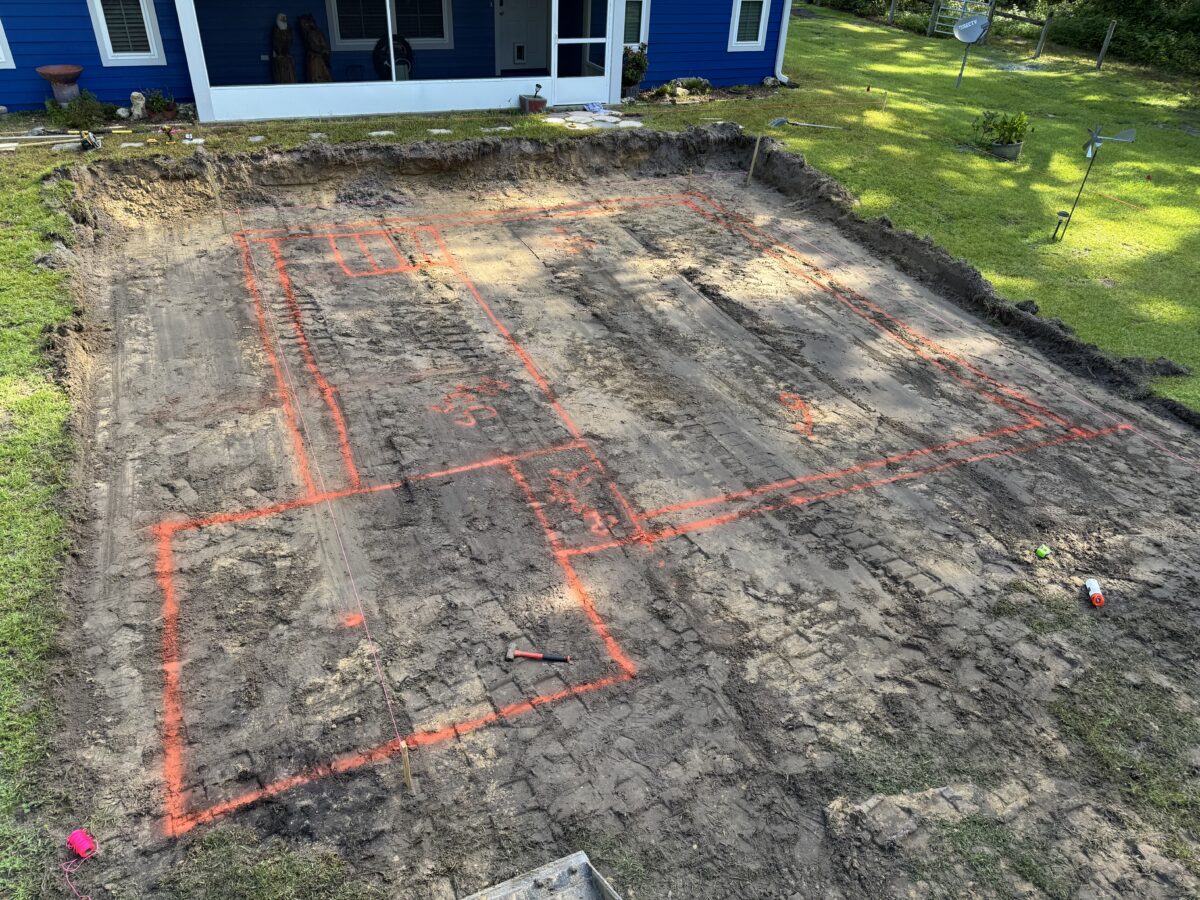
Gainesville-area sites can include sandy soil over limestone. Access restrictions, rock, groundwater, or unsuitable fill may change excavation and engineering requirements. Your builder should explain how unexpected site conditions affect pricing before excavation begins.
Your salt system budget versus your complete pool budget
National salt-system equipment estimates distinguish the generator from professional installation. Your proposal should do the same, with initial salt, electrical changes, automation connections, and compatibility upgrades identified separately.
For a tighter budget, prioritize usable swimming space, a straightforward shape, and a complete basic installation. A larger budget can support expanded decking, heating, automation, custom concrete details, or an enclosure. Keep necessary site work and safety provisions ahead of decorative upgrades.
Can you get an inground pool for $30,000? Do not treat that figure as a dependable budget for a complete Gainesville project. An advertised starting price may exclude decking, electrical connections, drainage, permits, fencing, or difficult excavation.
If borrowing is part of your plan, review project funding information alongside the full construction estimate. Compare total repayment cost and loan terms, not just the monthly payment.
Is saltwater cheaper than traditional chlorine?
Not automatically. Salt chlorination adds equipment upfront and can reduce purchased chlorine expenses, but the generator does not eliminate electricity, other chemicals, periodic professional attention, or replacement parts.
Compare ownership costs over five years using the same pool size, heating assumptions, and swim season. Include the pump and generator’s electricity use, chemical costs, service expenses, and a reserve for eventual cell replacement.
National guidance places salt-cell life at roughly three to six years. Equipment sizing, operating hours, water conditions, and local replacement pricing affect your total. Choose saltwater for convenience first; treat savings as something your estimate needs to demonstrate.
Plan your pool around your yard and how You’ll use it
Start with your busiest afternoon in the pool. Family play calls for useful shallow space and clear sightlines. Lap swimming needs an uninterrupted swimming path. Entertaining may favor benches and generous deck space over additional depth.
Steps, shelves, and benches all occupy space inside the pool’s footprint. Before enlarging the design, work through how much swimming room your plans require.
Beside a Haile Plantation home, for example, confirm machinery access before finalizing the layout. A narrow side yard, mature trees, or an existing fence can affect excavation, fiberglass shell delivery, and restoration costs. A pool that fits on a drawing still needs a workable construction route.
Choose features and materials before your estimate
Decide early about a sun shelf, heater, lighting, automation, and screen enclosure. Each choice can affect plumbing, electrical capacity, equipment placement, or the permitted design. A late addition can cost more than including the same feature before construction.
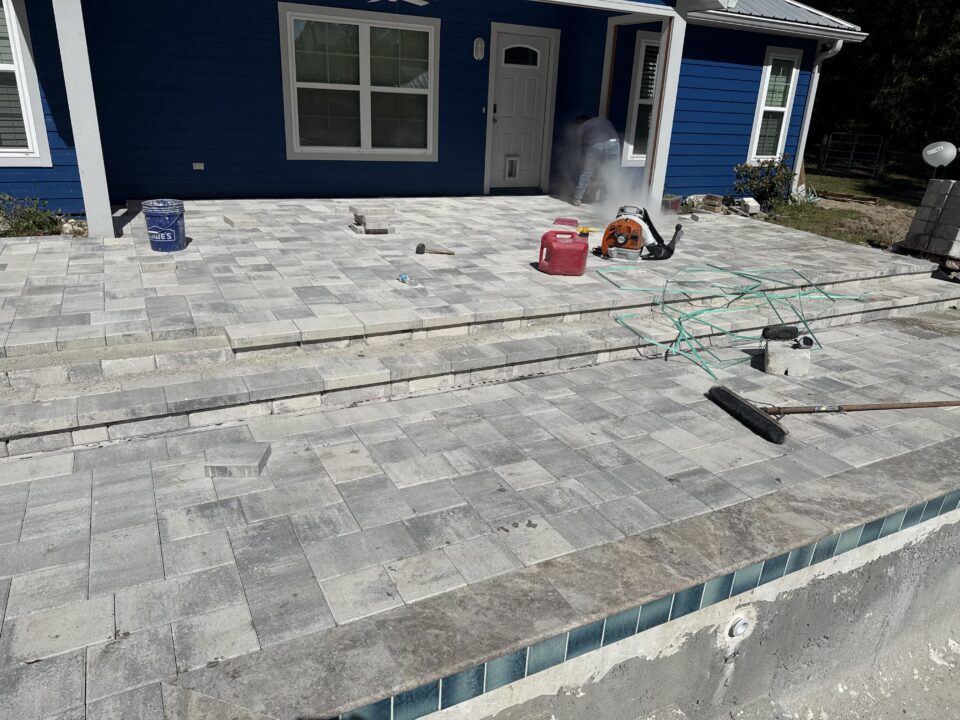
Your deck deserves equal attention. Compare surfaces suited to Florida heat, then confirm salt exposure guidance, slip resistance, sealing requirements, and drainage. Specify compatible railings, fixtures, heater components, and coping rather than accepting a general promise that everything is “salt-ready.”
Leave room around the equipment pad for access and future replacement. Identify utility routes, tree protection needs, runoff paths, and any required soil or engineering investigation. Keep salt splash and discharged pool water away from sensitive planting beds.
Check permits, safety requirements, and neighborhood rules
Your property’s jurisdiction determines the permitting authority, not simply a Gainesville mailing address. Confirm whether your project falls under the City of Gainesville, unincorporated Alachua County, or a municipality such as Newberry, High Springs, or Alachua.
Before signing, establish responsibility for permit applications, site plans, engineering documents, inspections, and final approvals. Your design also needs review for setbacks, easements, drainage, electrical bonding, and applicable pool safety requirements.
Electrical bonding connects specified conductive components to reduce dangerous voltage differences around the pool. It belongs in the construction scope, not in a vague allowance for miscellaneous electrical work.
In planned neighborhoods around Jonesville or Haile Plantation, HOA approval may be separate from government permitting. Confirm submission requirements for the pool, fence, enclosure, equipment screening, and exterior materials. Approval from one authority does not replace approval from another.
What happens during your saltwater pool installation?
Your full calendar schedule starts before machinery arrives. Design revisions, engineering, HOA review, permitting, material availability, and inspections all sit outside some advertised construction timelines.
Ask for separate expectations for preconstruction, active work, and startup. Gainesville’s summer storms can interrupt excavation, concrete work, decking, and inspections. Your agreement should explain how weather and unforeseen site conditions affect the schedule.
From site preparation to pool and equipment installation
Construction begins with confirming the layout, elevations, access route, and protected areas. Excavation follows, along with any site-specific preparation needed for the chosen pool system.
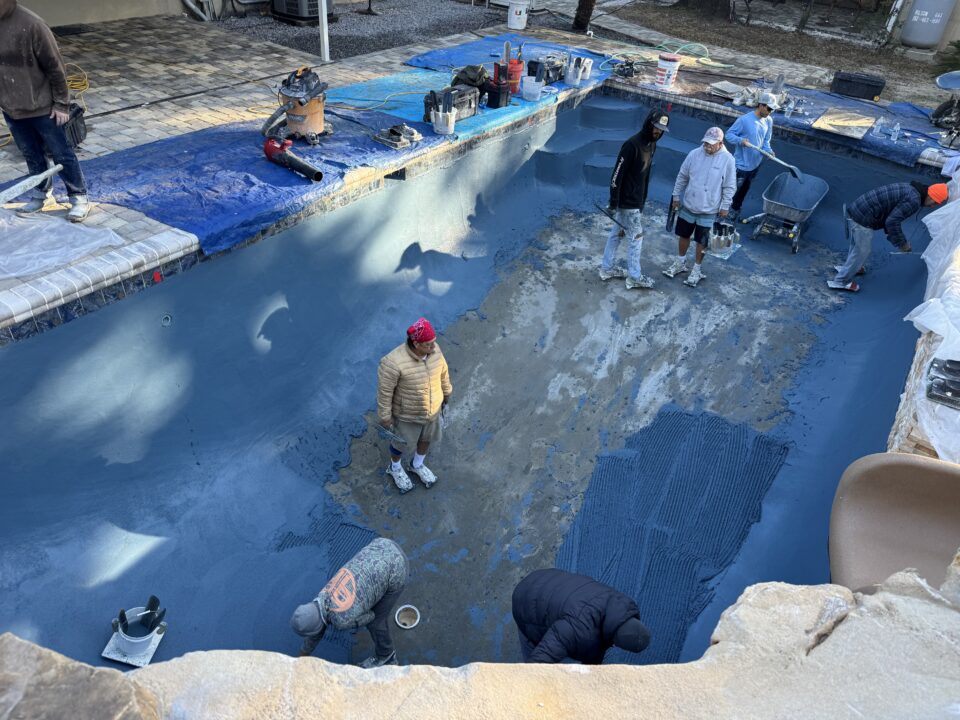
For fiberglass, delivery, lifting, shell placement, backfilling, and filling require coordination. Concrete involves shell construction and finish-related waiting periods. Fiberglass can shorten the shell-installation portion, but permitting, utilities, decking, and final approvals still take time.
Plumbing and electrical work proceed according to the approved plans and inspection sequence. Pressure testing and required inspections should occur before concealed work is covered. Decking, coping, equipment, and enclosure work follow as the project allows.
Expect machinery noise, disturbed turf, temporary barriers, and limited backyard access. Confirm who protects nearby structures, maintains construction-site barriers, removes debris, and restores areas outside the finished pool footprint.
From filling the pool to your first swim
Filling the pool is not the same as finishing startup. Your pool needs finish-specific care, balanced water, equipment checks, and salt-system commissioning.
Some new finishes require a waiting period before salt can be added. The finish manufacturer’s instructions control that timing. Your builder should identify the temporary sanitation approach and who handles startup responsibilities during that interval.
Before swimming, confirm completion of required inspections and safety provisions. During the equipment walkthrough, get a written handoff covering operation, generator settings, equipment documentation, warranty terms, and startup responsibilities. Include the expected salt-addition date if the generator cannot begin operating immediately.
Compare Gainesville pool builders before you commit
Compare itemized proposals with matching scope. A lower total means little if decking, electrical work, drainage, or required safety provisions are missing.
Use a simple comparison checklist:
- Matching pool dimensions and usable depth
- Defined decking and drainage scope
- Named equipment and generator capacity
- Written permit and inspection responsibilities
- Documented payment milestones and change orders
- Clear cleanup and restoration responsibilities
Verify the appropriate Florida contractor license and current insurance. Review recent local construction references and reviews about communication, workmanship, change orders, and project completion, rather than unrelated pool service work.
For the salt system, request sizing based on pool volume and expected chlorine demand during Gainesville’s long swim season. A generator’s maximum advertised pool capacity is not the whole design calculation. Your proposal should also explain equipment compatibility and separate manufacturer coverage from installation coverage.
Be cautious with vague allowances, large undefined exclusions, and guaranteed completion dates without stated conditions. Get changes documented and approved in writing before additional work begins.
Frequently asked questions
Does a saltwater pool need a different kind of shell?
No. Fiberglass, concrete, and vinyl inground pools can use salt chlorination when the finish, fittings, equipment, and surrounding materials are compatible. Choose the shell for your layout, access, budget, and repair preferences.
Can you add salt chlorination during a pool renovation?
Yes. A renovation is a useful time to coordinate the generator with replacement equipment, electrical work, and finish selection. Have the existing structure and plumbing assessed first so the estimate covers the pool’s actual condition.
Can you swim immediately after a new saltwater pool is filled?
Not necessarily. Startup depends on the finish, water balance, equipment commissioning, and required approvals. Some finishes need a waiting period before salt is added, so your written startup instructions should distinguish swimming readiness from salt-system activation.
Does a Gainesville address mean you need a city of Gainesville permit?
No. Your parcel may fall within city limits, unincorporated Alachua County, or another municipality. Confirm the property’s jurisdiction before relying on a permit checklist or construction schedule.
What should you bring to a saltwater pool consultation?
Bring a backyard photo, your survey if available, a rough wish list, and a comfortable budget range. Include any HOA requirements and concerns about access or an existing pool.
Try Swim State’s pool cost estimator to organize your starting scope, then call (352) 318-9782 for a pool-build consultation and a site-specific estimate. Your next useful number is the price for your yard and your complete project, not a national average.